
Deepest-Ever Explosive Volcanic Deposit Found in Mariana Trench
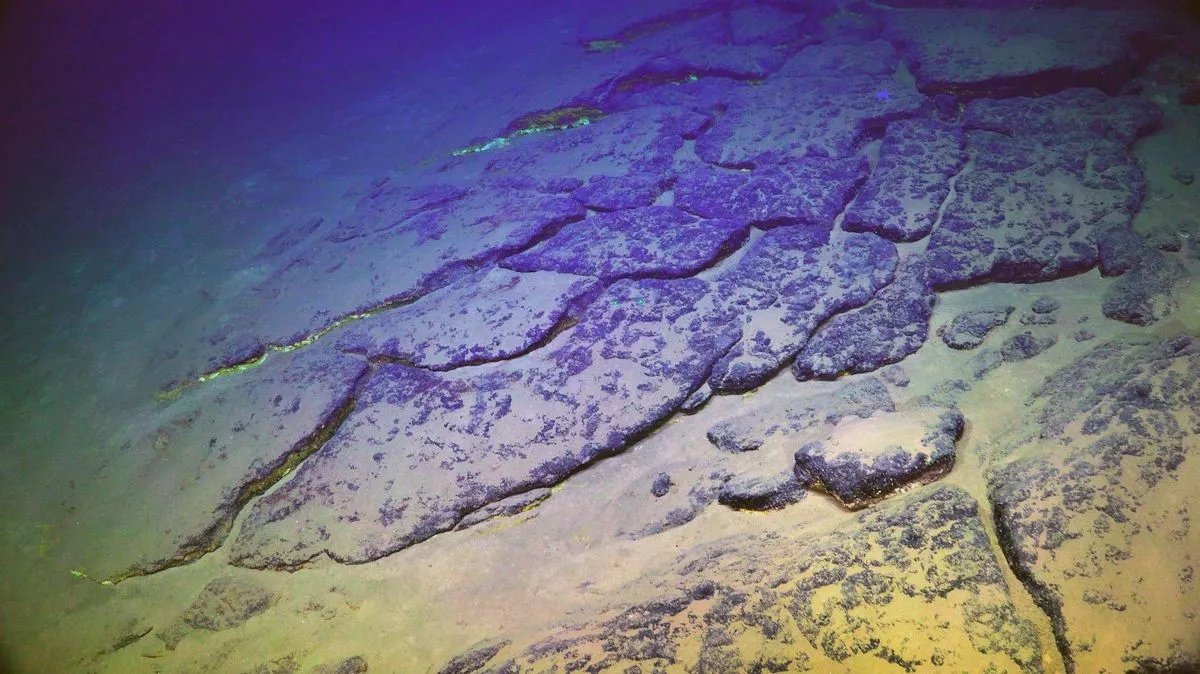
Seafloor geological formations in the Mariana Trench recorded by deep-sea exploration equipment.
Researchers analyzing data from a 2024 deep-sea expedition have uncovered evidence of an explosive volcanic eruption 20,170 feet below sea level in the Mariana Trench. The discovery shatters previous records for deep-sea explosive volcanism and challenges conventional scientific understanding of how extreme water pressure affects magma behavior. The findings were published in Frontiers in Earth Science on November 23, 2026.
- LocationMariana Trench forearc, Pacific Ocean
- Depth20,170 feet below sea level
- Expedition Year2024
- SubmersibleJason/Medea, operated by Woods Hole Oceanographic Institution
- Publication DateNovember 23, 2026, in Frontiers in Earth Science
Photos
2 photosWhat happened
A robotic deep-sea exploration vehicle operating in the western Pacific Ocean has uncovered geological evidence of an explosive volcanic eruption at a depth of 20,170 feet. Researchers identified unusual, thin layers of fragmented volcanic rock containing minerals and textures consistent with a pyroclastic flow—an extremely hot, fast-moving avalanche of rock, ash, and gas.
The discovery, detailed in a study published on November 23, 2026, in Frontiers in Earth Science, marks the deepest known deposit associated with explosive volcanism ever identified. It eclipses the previous record set in 2008, when similar evidence was documented roughly 13,000 feet below sea level.
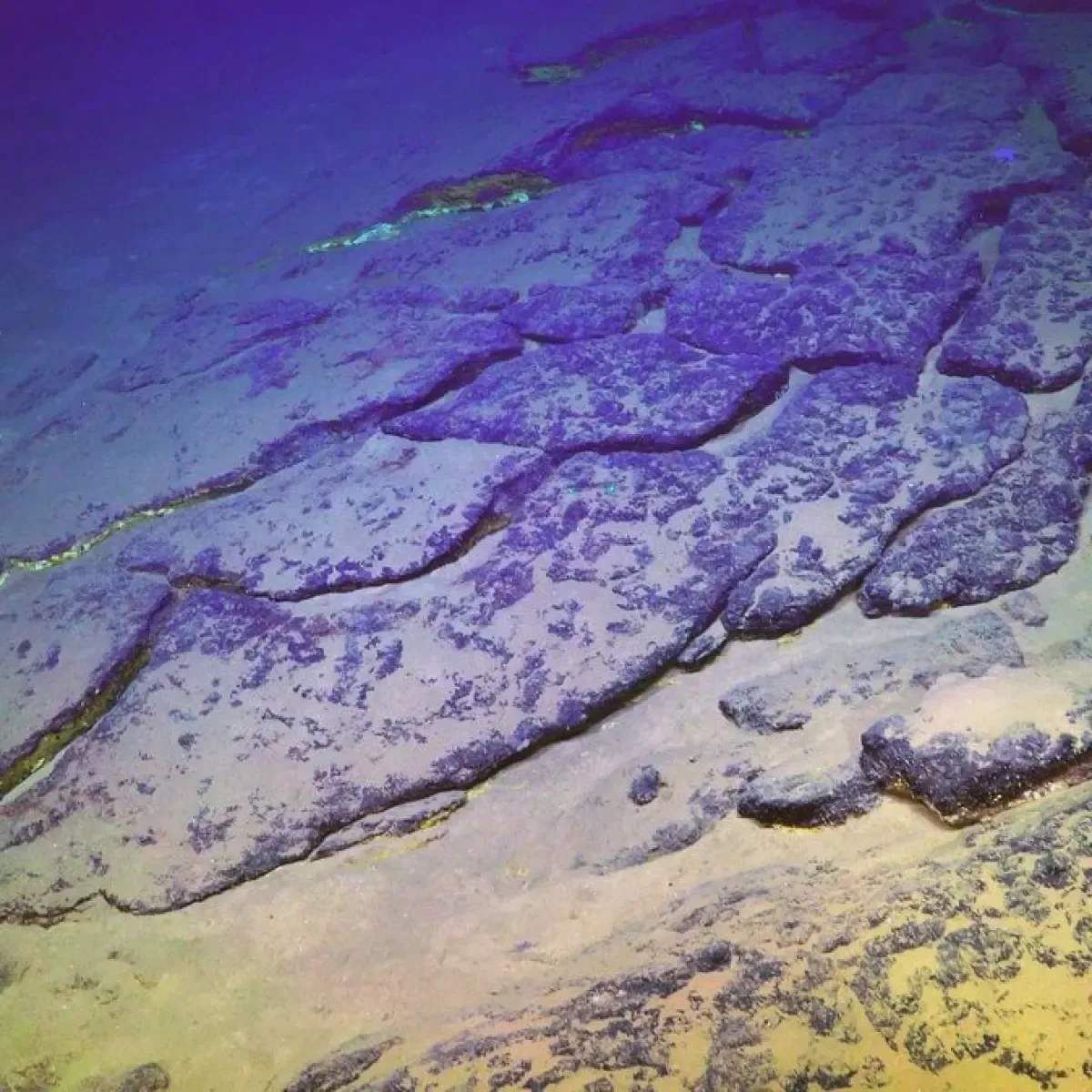
An underwater view of fractured rock formations examined during the deep-sea expedition.
How it unfolded
The evidence was gathered during a late 2024 expedition using Jason/Medea, a segmented robotic submersible operated by the Woods Hole Oceanographic Institution. The vehicle investigated a steep underwater wall in the Mariana Trench's forearc—a geological zone where the Pacific tectonic plate descends beneath the Philippine Sea plate.
Operating near its maximum depth limit of 21,300 feet, the submersible recorded the unusual deposits close to Challenger Deep, the deepest known point in the world's oceans. Although researchers successfully identified the pyroclastic flow layers, the original volcanic vent responsible for the eruption has not yet been located.
What the reports confirm
Both reports agree that the discovery was made at 20,170 feet in the Mariana Trench during a 2024 expedition using the Woods Hole Oceanographic Institution's Jason/Medea submersible, with findings published in Frontiers in Earth Science on November 23, 2026. They concur that the deposit represents the deepest known evidence of explosive volcanism, shattering the previous 13,000-foot record from 2008.
While both sources share identical quotes from study author Robert Stern and independent experts Jonas Preine and Isobel Yeo, Report B alone expands into a lengthy discussion of atmospheric science, stratospheric aerosols, Mount Pinatubo, and a UK-funded drone project slated for 2027 in Guatemala, Montserrat, and Chile.
The people involved
The research team includes Robert Stern, professor emeritus of geosciences at the University of Texas at Dallas and an author of the new study. Stern noted that conventional scientific understanding held that immense underwater pressure should prevent magma from violently throwing material outward.
Independent experts weighed in on the breakthrough. Jonas Preine, a marine geophysicist and volcanologist at the National Oceanography Centre in England, called it a real frontier in volcanology. Isobel Yeo, a submarine geologist at the same institution, explained that extreme water pressure normally suppresses the gas expansion required to drive explosive eruptions.
Why it matters
The discovery challenges foundational assumptions in Earth sciences regarding the physical limits of volcanism. Under extreme marine pressure—such as the conditions at Challenger Deep, where pressure reaches roughly 1,000 times atmospheric pressure at sea level—gases trapped inside molten rock are thought to be heavily suppressed.
Finding clear evidence that magma can still fragment explosively under such restrictive conditions forces geologists to rethink how magma behaves in Earth's deepest marine environments and opens new questions about the physics of deep-sea pressure.
The background
The Mariana Trench, located in the western Pacific Ocean, formed approximately 52 million years ago as the Pacific tectonic plate began subducting beneath the Philippine Sea plate. Its deepest region, Challenger Deep, plunges nearly 6.8 miles (35,876 feet) below sea level and consists of three separate depressions.
Only a handful of human descents have reached Challenger Deep, notably Don Walsh and Jacques Piccard in 1960 and filmmaker James Cameron in 2012. Robotic vehicles like Jason/Medea allow scientists to investigate the steep walls and geological features of the surrounding forearc without risking human lives at the absolute bottom.
What happens next
With the discovery published, geologists face open questions regarding the mechanics of deep-sea magma fragmentation. Researchers will need to determine how molten rock overcomes immense hydrostatic pressure to erupt explosively.
Additionally, scientists hope to locate the original volcanic vent responsible for the newly discovered pyroclastic deposits, which geological indicators suggest occurred relatively recently in Earth's history.
What we still don't know
Several crucial pieces of the puzzle remain unaddressed. The reports do not specify the exact age of the volcanic deposit beyond noting it is relatively recent in geological terms.
Furthermore, researchers have not yet found the volcanic vent that produced the pyroclastic flow, and it remains unproven how deep magma can actually fragment or erupt under extreme oceanic pressure.
Want more on this story? Our research assistant searches the latest reports across the web and explains what it finds, so you get the fuller picture in one place.