
Deadly Fire Cripples Major Power Plant and Hits Homes in Southern Iraq
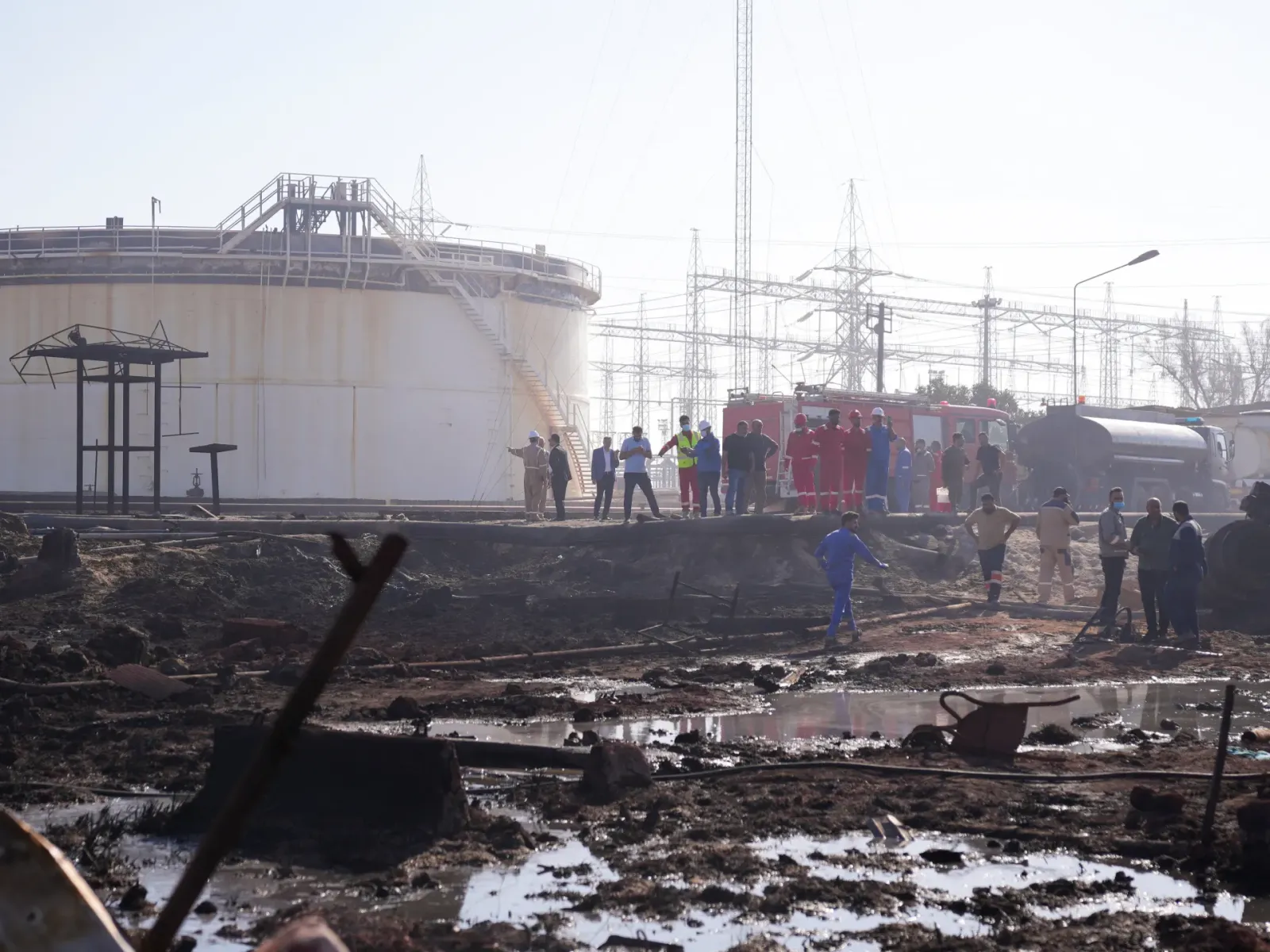
Emergency personnel and vehicles gathered near industrial infrastructure and debris following the fire at the Hartha power station in Basra.
A severe fire at the Hartha power station in southern Iraq's Basra province has left at least four people dead and 35 injured. The blaze, which also damaged neighboring houses and halted the 800-megawatt facility's operations, has been brought under control by emergency responders. The incident underscores ongoing vulnerabilities in the country's power grid, while investigators work to determine the cause.
- LocationHartha power station, Basra, southern Iraq
- CasualtiesAt least 4 dead, 35 injured
- Plant Capacity800 megawatts
- StatusFire controlled, plant operations halted, cause unconfirmed
Photos
1 photosWhat happened
A major fire erupted at the Hartha power station in southern Iraq's Basra province, resulting in at least four deaths and 35 injuries. The destructive blaze did not remain contained within the industrial perimeter; it aggressively spread to neighboring houses, threatening local residents before emergency services could intervene.
Operations at the power station, which boasts a generating capacity of 800 megawatts, were entirely forced to stop in the wake of the disaster. Online footage captured thick plumes of smoke billowing from the site alongside burned-out vehicles and crowds gathering to watch the emergency response.
How it unfolded
The emergency response was led by the Iraqi Civil Defence Directorate, which worked to combat the flames across both the industrial facility and the adjacent residential neighborhood. According to reports released by the Iraqi News Agency, firefighting teams managed to bring the blaze under control.
Despite the containment of the fire, the sudden disruption severely impacted the local area. The exact sequence of events leading up to the initial ignition point at the facility has not yet been publicly established.
Why it matters
The shutdown of an 800-megawatt power facility represents a substantial blow to regional electricity generation, compounding existing grid instability in southern Iraq. Furthermore, the spread of the industrial fire into nearby residential areas directly endangered civilian lives, causing multiple fatalities and dozens of injuries.
For residents in the area, the incident highlights the immediate physical dangers posed by industrial facilities located in proximity to civilian housing, alongside the broader threat of compromised utility services.
The background
Iraq’s electricity infrastructure has long struggled with profound systemic challenges, including decades of underinvestment and inadequate maintenance. These shortcomings frequently limit the grid's ability to meet peak demand, particularly during the extremely hot summer months when cooling needs skyrocket.
Fires and technical failures at substations and power facilities are not unprecedented in the region. Such incidents have a history of disrupting essential electricity supplies and triggering widespread power outages across communities.
Response and aftermath
State media and official news agencies have documented the intervention of the Civil Defence Directorate, whose personnel successfully extinguished the flames at the power station and surrounding homes. Emergency medical personnel and first responders attended to the 35 injured individuals.
Authorities have yet to release comprehensive details regarding long-term recovery plans for the damaged facility or relocation assistance for displaced residents whose homes were impacted by the spreading flames.
What we still don't know
The fundamental cause of the fire remains unconfirmed by officials, leaving investigators to determine what triggered the disaster.
It is also unclear how long the Hartha power station will remain out of service, what specific extent of structural damage the plant sustained, and when grid operations can safely resume.
Want more on this story? Our research assistant searches the latest reports across the web and explains what it finds, so you get the fuller picture in one place.