
Dead Soil That Refuses to Stop Breathing
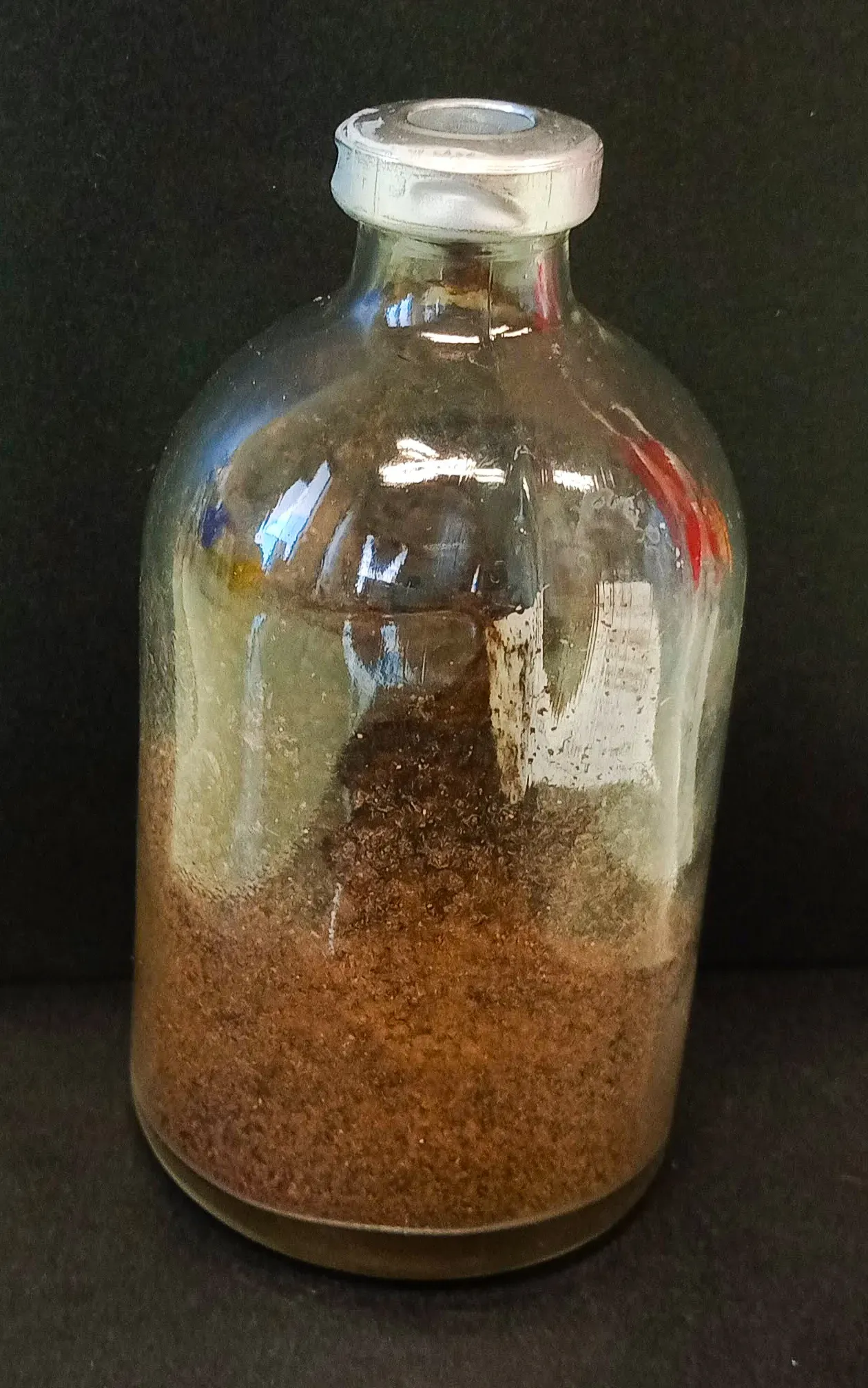
A glass vial containing soil samples used in the laboratory experiments.
A 15-year scientific investigation has revealed that sterilized soil samples continue to emit carbon dioxide and consume oxygen for years. Researchers propose that metabolic processes previously thought exclusive to living cells can occur through nonbiological catalysis. The findings challenge fundamental definitions of life and point toward prebiotic chemical reactions that may have predated living organisms.
- Lead ResearcherSébastien Fontaine
- InstitutionsFrench National Institute for Agriculture, Food, and Environment
- Key PublicationsBiogeosciences (2013), Science Advances (2025)
- Observation DurationSix years of continuous gas emission
What happened
For 15 years, a team of researchers led by biochemist Sébastien Fontaine at the French National Institute for Agriculture, Food, and Environment has been studying soil sealed in hermetic jars and sterilized with gamma radiation. Although microscopic analysis showed no signs of living microbes, the soil continued to emit carbon dioxide and consume oxygen.
Initially seeking to establish a baseline of carbon in lifeless soil, Fontaine and his colleagues recorded stable carbon emissions for over 100 days following radiation. Over subsequent years, tracking samples out to six years, they observed ongoing gas emissions, suggesting that certain biochemical reactions resembling cellular metabolism can persist entirely without life.
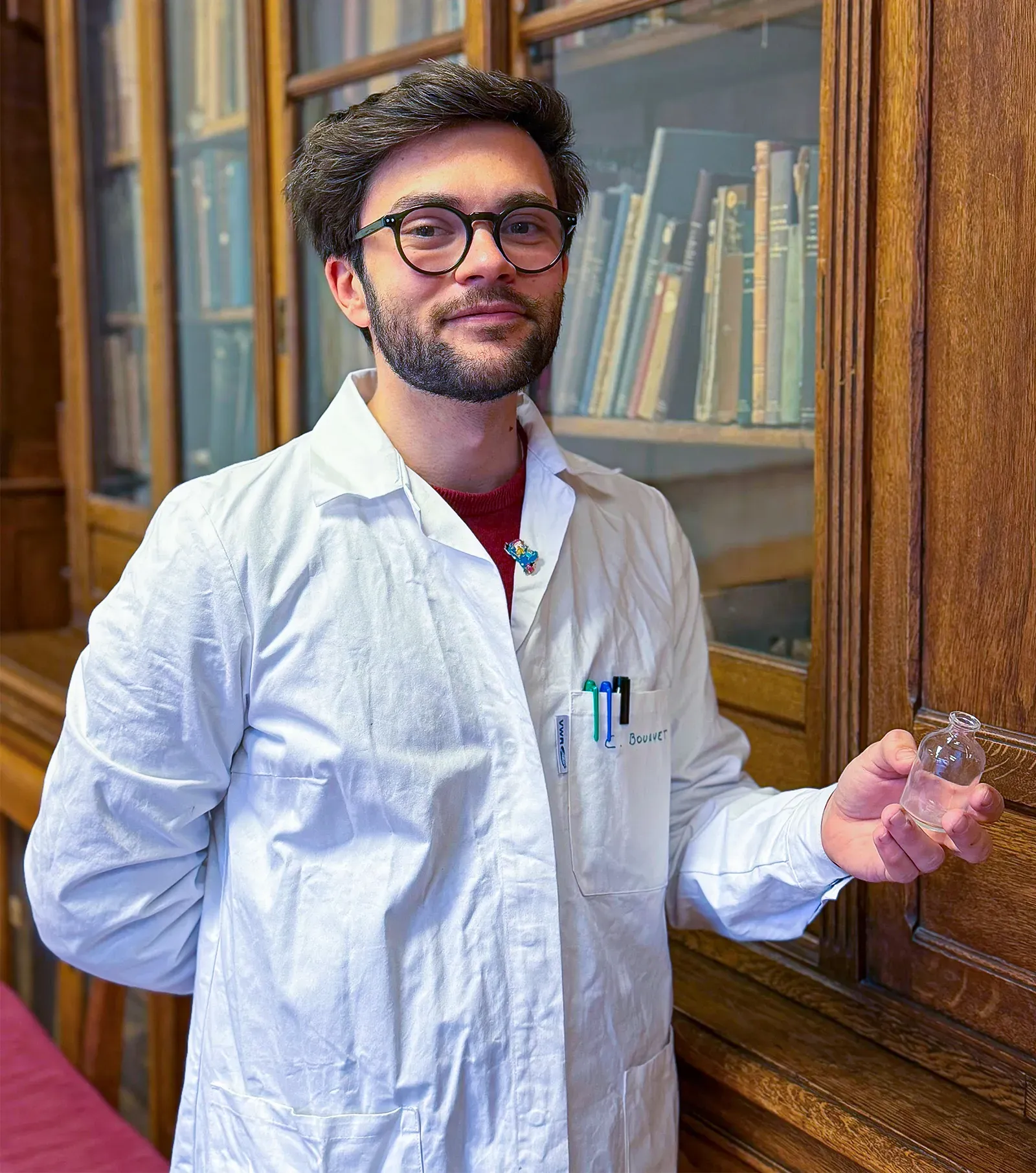
Researcher Clémentin Bouquet holding a small glass vial in the laboratory.
How it unfolded
When Fontaine first encountered continuous carbon emission in lifeless soil, fellow researchers advised him to dismiss it as an experimental artifact. Refusing to let it go, his lab tested the samples by adding yeast-derived enzymes, which immediately caused carbon emissions to spike, indicating that a reaction was already underway.
Over the following decade, the team subjected soil samples to intense radiation, pressure, and heat to verify they were entirely dead. Electron microscope analysis by graduate student Benoit Kéraval revealed dead cells lacking RNA or DNA. Later, researcher Clémentin Bouquet joined to study normal and glucose-supplemented soil samples over thousands of days, noting sustained emissions and the presence of intermediate molecules typically associated with the Krebs cycle. Fontaine also devised a fuel cell confirming an electron current moving through the sterile soil.
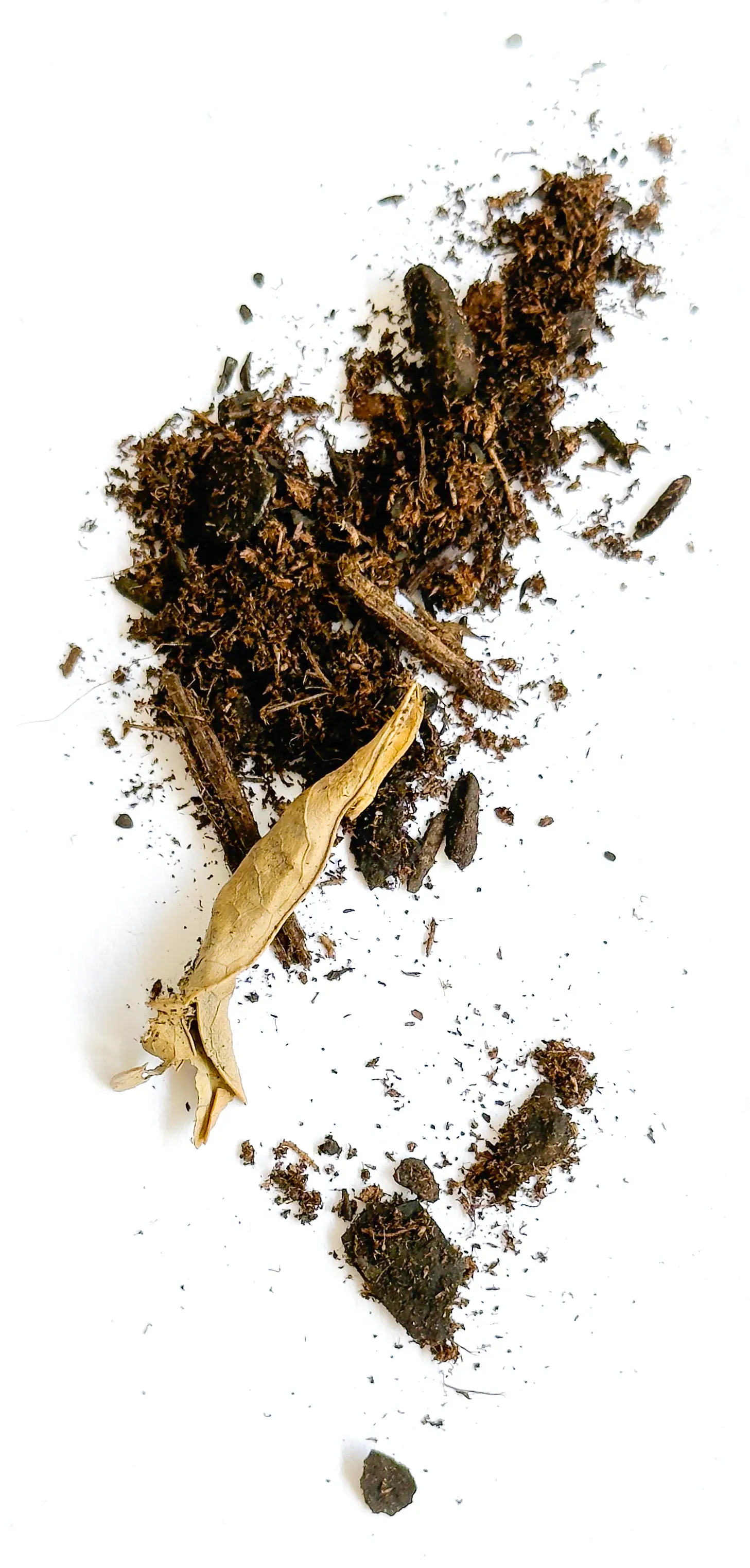
Soil samples and organic material examined during the study.
The people involved
Sébastien Fontaine runs a laboratory at the French National Institute for Agriculture, Food, and Environment. His team included graduate student Benoit Kéraval and researcher Clémentin Bouquet, who spent years tracking the irradiated soil samples.
External experts commenting on the research include Joseph Moran, an organic chemist at the University of Ottawa; soil ecologist Joshua Schimel at the University of California, Santa Barbara; Markus Ralser, a biochemist at Charité University Hospital in Berlin; and Sudha Rajamani, an astrobiologist at the Indian Institute of Science Education and Research, Pune.
Why it matters
The discovery challenges the traditional boundary between living and nonliving systems by showing that chemical reactions resembling metabolism can occur purely through geological chemistry. If metabolic pathways like the Krebs cycle can operate without enzymes or living cells, it suggests that basic life-associated chemistry could have existed before life itself emerged on Earth.
This fundamentally alters how scientists view organic processes in terrestrial soil, proving that carbon cycling and gas emissions can occur through nonbiological catalysts such as iron and aluminum oxides found naturally in earth.
The background
Cellular metabolism is a precisely orchestrated sequence of chemical reactions inside living cells, powered by proteins, genes, and enzymes that break down sugar molecules to release energy. The Krebs cycle is a central part of this process, where high-energy electrons are stripped from carbon-rich molecules in oxygen-consuming reactions.
For decades, scientists believed these intricate sequences could only occur within the protected, enzyme-rich confines of living cells. However, recent theories regarding the origins of life have proposed that ancient metals like iron and zinc could have catalyzed foundational biochemical reactions before living organisms evolved.
Response and aftermath
Publishing the findings proved difficult, with early reviewers expressing deep skepticism regarding whether the soil was truly sterile, leading to the 2013 publication in Biogeosciences. More recently, the team detailed their conclusions in a 2025 paper in Science Advances and a preprint on bioRxiv.
While external researchers like Joseph Moran and Markus Ralser find the results compelling for theories of evolutionary origins, others, such as Sudha Rajamani, raise the possibility that stable backbones of degraded enzymes spilled from dead cells might still be driving the reactions. Fontaine, however, maintains that enzymes could not remain active over a six-year period.
What happens next
Researchers plan to continue investigating prebiotic biochemical cascades and exploring how nonbiological catalysts drive complex carbon transformations in natural environments.
Scientists like Bouquet are expanding their focus toward identifying other biochemical processes that may function independently of living organisms, right beneath our feet.
What we still don't know
It remains entirely unproven whether the observed long-term reactions are driven strictly by mineral-based catalysis or if exceptionally persistent, degraded biological relics continue to play a role. Furthermore, researchers have yet to conclusively determine the full extent to which cell-free metabolic reactions occur in real-world, unsterilized soils.
Want more on this story? Our research assistant searches the latest reports across the web and explains what it finds, so you get the fuller picture in one place.