
Chinese National Sentenced to Death in High-Stakes Espionage Case
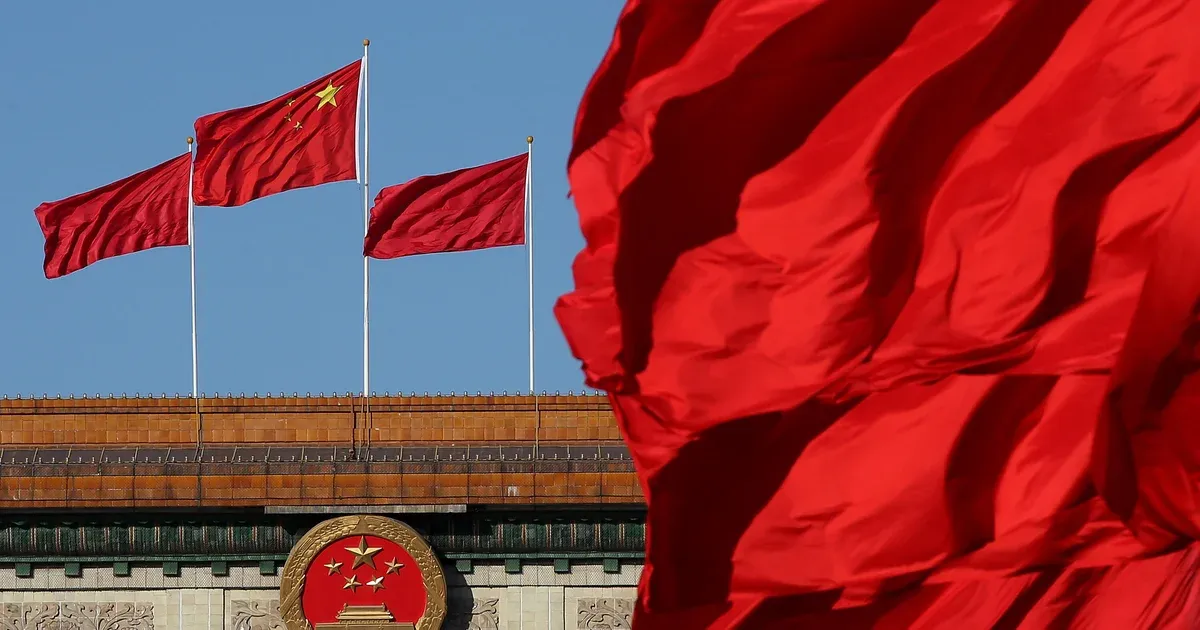
Chinese flags fly near government buildings in Beijing, where state authorities have emphasized strict enforcement of national security laws.
State-affiliated media reports that a Chinese citizen identified by the surname Ma has been sentenced to death for spying for a foreign intelligence network. Recruited while posted overseas, Ma allegedly leaked over a hundred pieces of classified information after signing a cooperation agreement and receiving financial compensation. The case has been highlighted by state security publishers as a stark warning against modern espionage tactics.
- AccusedA Chinese official identified by surname Ma
- ChargesSpying for a foreign country and leaking top-secret information
- PenaltyDeath sentence
- Financial gainMore than 1 million yuan ($150,000)
What happened
A Chinese official has received a death sentence for espionage after being convicted of leaking classified and top-secret state information to a foreign intelligence service. The case came to light through an online publication managed by Gold Wall Press, a publishing company associated with China's National Administration of State Secrets Protection.
According to the published account, the convicted individual—identified only by his surname, Ma—was apprehended following a long-term investigation. A court found that Ma had traded dozens of classified documents for substantial financial rewards, raising serious concerns within state security circles about internal compliance and the protection of state secrets.
How it unfolded
Ma's recruitment began while he was living and working abroad on an official posting. He was initially approached by a foreign intelligence operative using the alias "Kailin," who struck up a frequent acquaintance under the seemingly innocent guise of learning the Chinese language.
Over time, Kailin shifted conversations toward politically sensitive matters, probing for operational and personnel details regarding China's activities in the unidentified host country. Kailin subsequently introduced Ma to a colleague who escalated the pressure by threatening to expose Ma's unauthorized disclosures to Chinese authorities unless he agreed to formal collaboration.
Trapped by the blackmail, Ma signed a formal cooperation agreement containing strict clauses regarding confidentiality and loyalty. He was provided with a dedicated laptop designed for transmitting and receiving intelligence and began receiving regular monthly payments in exchange for classified data.
Upon completing his overseas posting, Ma returned to China and continued his espionage activities on a long-term basis. Operating from home during the evenings, he extracted sensitive content from official documents he encountered through his domestic work and transmitted the files via specialized espionage websites.
The people involved
The central figure in the proceedings is Ma, a Chinese government official whose full identity has been withheld by state-affiliated media aside from his surname. His career took a destructive turn during an overseas assignment where he was targeted by foreign handlers.
The foreign intelligence apparatus operated through an operative known as Kailin, who laid the groundwork through social engineering before bringing in a colleague to apply direct coercion and blackmail. While the specific foreign nation and agency orchestrating the network have not been publicly named, state media accounts underscore the calculated and manipulative nature of the recruitment strategy.
Why it matters
The case highlights the persistent vulnerability of government personnel stationed abroad to sophisticated foreign intelligence operations. By demonstrating the ultimate penalty—death—for high-level treason and espionage, state authorities are signaling an uncompromising stance on internal security breaches.
For government employees and officials handling sensitive materials, the prosecution serves as a severe deterrent against succumbing to financial incentives, emotional manipulation, or coercion by foreign actors. It also underscores tightening domestic surveillance and digital monitoring aimed at catching unauthorized data exfiltration.
The background
China maintains a stringent legal framework regarding state secrets, espionage, and national security, punishing breaches with severe penalties under its penal code. Government agencies routinely issue public warnings and educational materials through specialized publishing arms to raise awareness about foreign intelligence threats.
The publication that broke the details of Ma's case, Gold Wall Press, operates under the umbrella of institutions tasked with safeguarding official state secrets. Such announcements are frequently utilized by Beijing to signal vigilance to both domestic bureaucracy and foreign governments.
Response and aftermath
State-affiliated media characterized the ruling as a vital wake-up call regarding the evolving sophistication of foreign intelligence agencies. Commentary accompanying the report emphasized that foreign operatives increasingly rely on complex psychological tactics, including emotional manipulation and entrapment, to compromise officials.
The widespread coverage of the sentencing is expected to trigger heightened internal security audits and stricter compliance checks across Chinese institutions handling classified diplomatic, operational, and administrative information.
What we still don't know
Despite the detailed narrative published by state-linked media, several critical facts remain unaddressed. The reports have not specified the exact foreign country involved in recruiting Ma, nor have they identified the specific nation where he was originally posted.
Additionally, the public disclosures omit the exact timeline of when Ma was apprehended, when and where the court trial took place, and whether the death sentence has already been carried out or remains subject to legal review and appeal.
Want more on this story? Our research assistant searches the latest reports across the web and explains what it finds, so you get the fuller picture in one place.