
Australia's annual inflation rate jumped to 4.9% in October, up from 4.3% in September. The latest figures from the Australian Bureau of Statistics show that price pressures are intensifying as the country heads toward the Christmas period. The new rate is nearly double the Reserve Bank of Australia's official target of 2.5%.
Surging fuel costs and the expiration of government electricity rebates were the primary drivers of the increase. Fuel prices rose 6.3% last month, while electricity prices were 25% higher than a year earlier.
What happened
The Australian Bureau of Statistics reported that the removal of temporary government subsidies, which had previously lowered household electricity costs, heavily influenced the annual power price jump. Rachael McCririck, the ABS head of price statistics, noted that stripping away temporary shocks helps reveal underlying price pressures in the economy. However, even this core measure worsened: the Reserve Bank's preferred trimmed mean measure, which excludes volatile prices, rose to 3.8% against economists' expectations that it would hold steady at 3.6%.
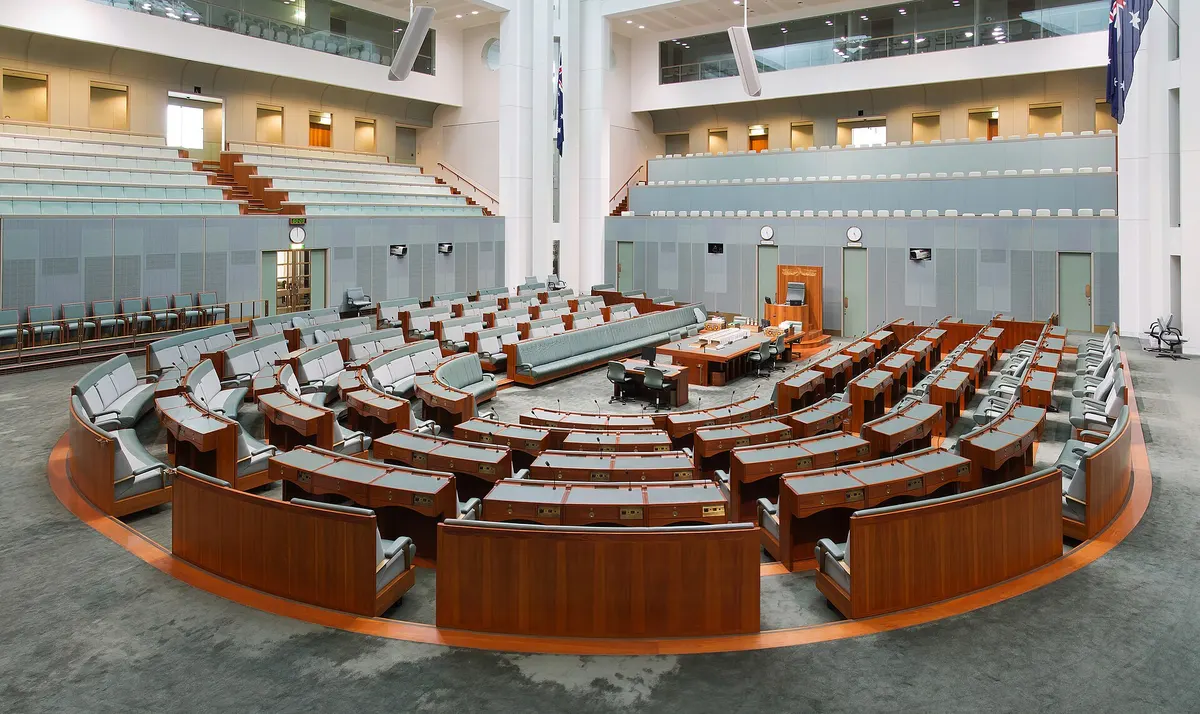
Treasurer Jim Chalmers warned parliament that economic conditions would deteriorate before improving. Chalmers stated that the inflation challenge is the primary influence on the budget update scheduled for release in December. Stephen Smith, a partner at Deloitte Access Economics, described the difficult balancing act facing the federal government as it attempts to cut spending to fight inflation without pushing the slowing economy into a recession.
Why it matters
The broader economic strain touches households and businesses alike amid rising fears of a recession. Prime cost-of-living pressures are colliding with higher unemployment, which has accelerated alongside inflation to 4.9%. Economists observe that the central bank is caught between competing risks. While financial markets previously priced in an interest rate cut by August, the worse-than-expected data has complicated the monetary policy outlook.
What happens next
Despite the jump in prices, chief economists like KPMG's Brendan Rynne do not expect the central bank to implement a sixth interest rate hike at its final board meeting of the year in December. Analysts expect the Reserve Bank to hold rates steady until February to review incoming economic data, with hopes that inflation will ease back below 3% in the coming year.
Key takeaways
- Australia's annual inflation rate climbed to 4.9% in October, nearly doubling the official central bank target of 2.5%.
- The rise was driven by a 6.3% monthly jump in fuel costs and the expiry of government electricity rebates.
- The Reserve Bank's preferred core inflation measure unexpectedly rose to 3.8%.
- Economists anticipate the central bank will hold interest rates steady at its final meeting of the year rather than raising them further.