
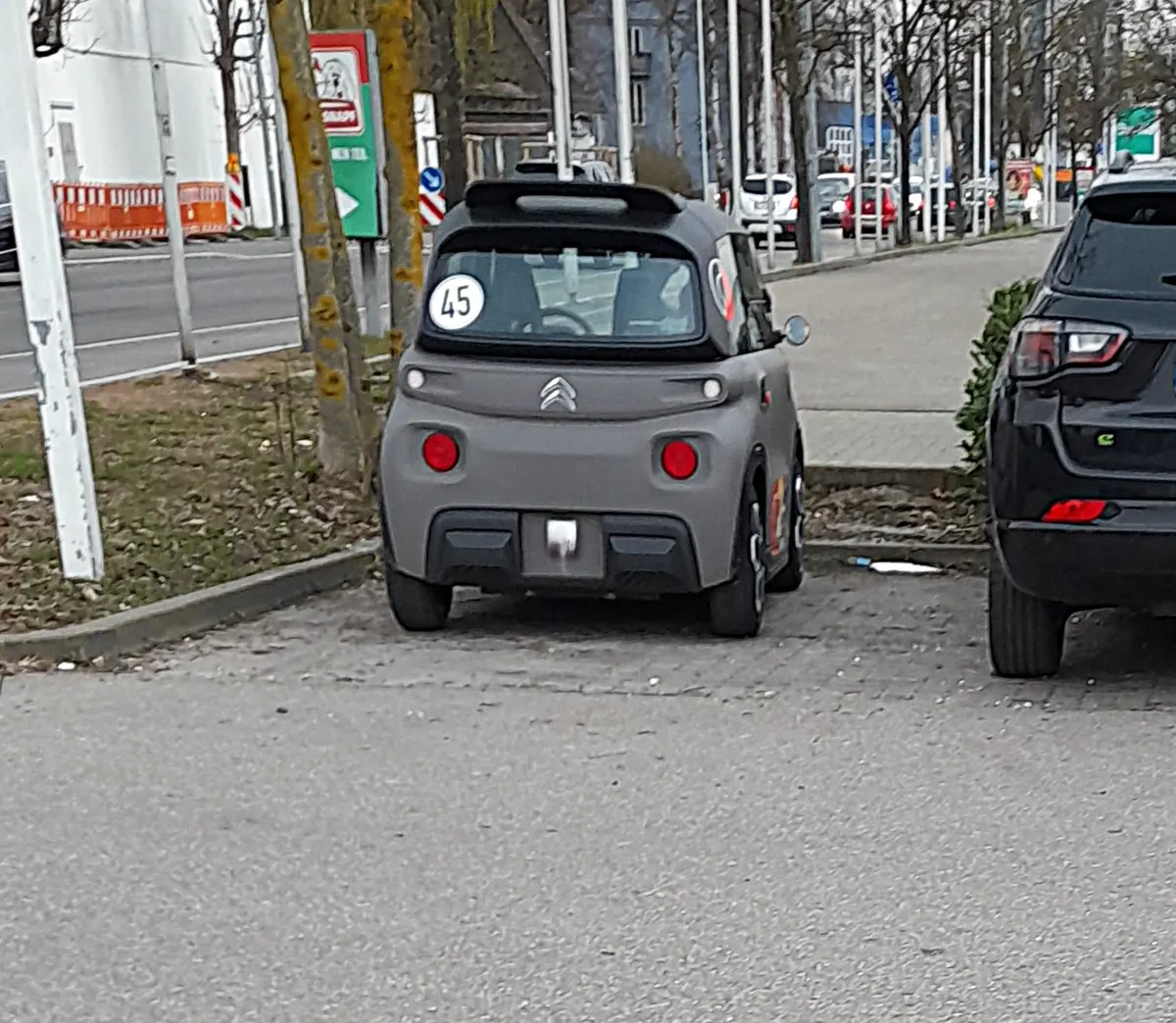
Tiny, licence-free vehicles known as motorized quadricycles are growing rapidly in popularity across Europe, bridging a crucial transport gap for teenagers in rural areas and older adults who can no longer drive standard cars. Sales across the continent have jumped from 30,000 to 60,000 annually over the past five years, transforming a niche market into a booming sector.
While these mini-vehicles provide essential mobility, they also create challenges on faster roads, where their restricted top speeds can frustrate other motorists. The sector is now shifting rapidly toward electric models, changing both the image and the demographic of the drivers behind the wheel.
What happened
In countries like France and Italy, teenagers as young as 14 can drive motorized quadricycles after obtaining a road safety certificate and completing eight hours of training. The minimum age is 15 in Germany and Spain, and 16 in the United Kingdom. Registration numbers for these vehicles in France climbed from about 13,000 in 2019 to roughly 25,000 last year. Vehicles like the Citroën Ami, launched in 2020, have a top speed of 45 kilometers per hour (28 miles per hour) and have made microcars fashionable for younger demographics. Teenagers now account for a quarter of all mini-car sales.
Traditional users of these vehicles have long included older people living in the countryside, as well as individuals who lost standard driving licences due to offenses like drink-driving. Drivers such as Daniel Laprès, a 77-year-old living in a French village, rely on microcars because public transport is unavailable and standard licences are out of reach. However, driving these small vehicles on national highways with higher speed limits can be perilous. Because they are forbidden on motorways and significantly slower than trucks and standard cars, drivers often feel vulnerable.
Why it matters
The surge in microcars is reshaping rural transportation and giving young teenagers independent mobility before they reach the legal age for a standard driving licence. For automotive manufacturers, the shift represents a major commercial opportunity. Traditional market leaders like Aixam and Ligier have benefited from the entry of multinational giant Stellantis, whose Citroën brand brought massive visibility to the sector. However, safety remains a concern for operators who describe the vehicles as little more than tin cans on wheels when sharing the road with faster traffic.
The background
Motorised quadricycles are legally classified as four-wheel mopeds. For decades, European teenagers relied heavily on motorized two-wheelers for transportation. Stricter European Union regulations made complying with safety and environmental rules too costly for moped manufacturers, causing small scooters and mopeds to nearly vanish from the market after 2020. Licence-free cars naturally filled that gap. Furthermore, the introduction of the electric Citroën Ami in 2020 modernized the vehicle profile, prompting a wave of electric models. Market analyst Marie-Laure Nivot notes that more than 67% of new licence-free cars are projected to be electric by 2026.
What happens next
While sales grew strongly until 2024, growth has recently flattened in France following the withdrawal of government subsidies for electric models. Despite this slowdown, existing manufacturers continue to invest in production facilities to meet long-term demand, with Aixam investing €30 million to expand manufacturing capacity.
Key takeaways
- Sales of tiny, licence-free microcars across Europe have doubled from 30,000 to 60,000 over the past five years.
- Teenagers as young as 14 can drive these four-wheel mopeds in France and Italy after completing eight hours of training and obtaining a road safety certificate.
- The launch of the electric Citroën Ami in 2020 helped teenagers account for a quarter of all mini-car sales.
- Strict EU regulations on two-wheelers caused mopeds to nearly disappear, allowing licence-free cars to take their place in the market.
- More than 67 percent of new licence-free cars are projected to be electric by 2026, according to market analyst data.