
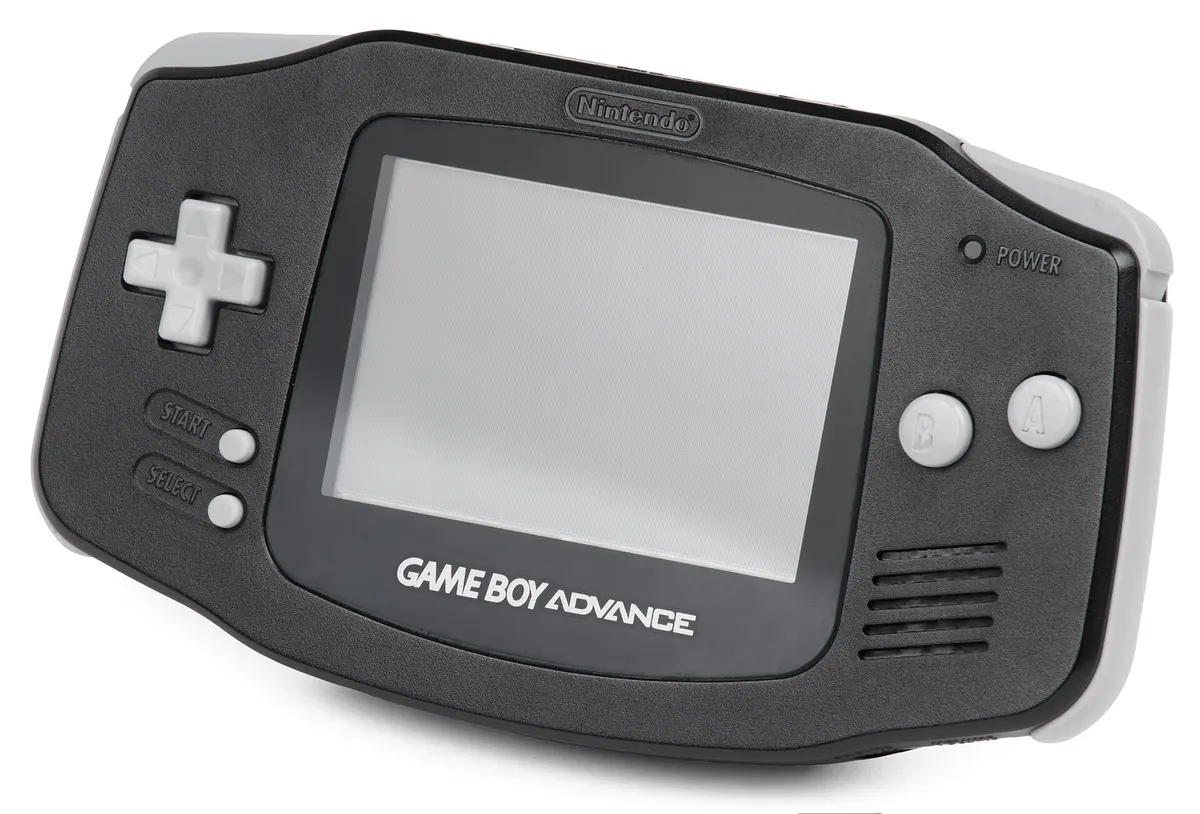
Tetris stands as the most re-released video game in history, dwarfing the apperances of other classics like Skyrim or Super Mario Bros. Created in the mid-1980s, the iconic puzzle game has seen over 200 official releases and countless unofficial ports. Its simple gameplay and minimalist design have allowed it to spread to virtually every digital platform ever made.
From its origins on Soviet computers to its massive success bundled with the Nintendo Game Boy, Tetris has endured for decades. Today, its branding and licensing are tightly managed by The Tetris Company, ensuring that the game maintains a consistent identity across all of its modern iterations.
What happened
The legacy of Tetris began in the Soviet Union between 1984 and 1985. Programmer Alexey Pajitnov designed the game for fun on a Soviet Elektronika 60 computer, which lacked graphical output and forced him to use text-based brackets to represent the falling tetrominoes. Pajitnov and his colleagues ported the game to an IBM PC, and copies began circulating locally.
Pajitnov's manager helped distribute the game internationally, leading to versions for popular computers like the Commodore 64, Amiga, and Mac. A critical turning point occurred in 1989 when Nintendo secured the handheld rights after a lengthy legal battle. Nintendo bundled Tetris with the Game Boy in every market except Japan, propelling the title to sell more than 35 million copies and introducing players to the iconic 'Theme A' music.
In 1996, Alexey Pajitnov partnered with Henk Rogers to establish The Tetris Company to manage future licensing and branding. Since then, the game has continued to see continuous ports, updates, and even a 2023 film adaptation on Apple TV.
Why it matters
The game's enduring success proves that complex graphics are not required for a masterpiece. Because Tetris requires only a few buttons to move and rotate blocks, it can run on virtually any device, including unexpected hardware like graphing calculators. Its intuitive design means anyone can understand the concept of clearing horizontal lines within moments, yet spend a lifetime mastering it.
Furthermore, the game's cultural footprint is so massive that other puzzle games have leveraged the name for marketing. For instance, Nintendo licensed the Tetris name for western releases of the SNES game Panel de Pon under the title Tetris Attack, banking on public association with block-dropping puzzles.
The background
Tetris was invented during the final years of the Soviet Union by a government programmer who initially built it just for recreation. After breaking out of the Eastern Bloc, the game's rights became the subject of intense international interest and corporate maneuvering before landing on Nintendo's nascent portable console.
Unlike stagnant vintage media, Tetris has evolved over time. The Tetris Company enforces internal rules known as the Tetris Guideline, which dictate how official modern releases must play, look, and handle controls. Individual historical versions also hold unique places in gaming history, such as the 1989 NES release, which featured a programmed speed-up and eventual 'kill screen' that became the ultimate challenge for competitive players.
What happens next
While no single new release date or software update is driving the current cultural focus on the game, Tetris continues to thrive in competitive esports and modern digital storefronts. Players continue to push the boundaries of vintage versions, developing advanced techniques to push past previously assumed limitations.
Key takeaways
- With over 200 official releases, Tetris is by far the most re-released and ported video game in history.
- The game was originally created in 1984 by Soviet programmer Alexey Pajitnov on an Elektronika 60 computer using text-based graphics.
- The 1989 Game Boy release became a massive cultural phenomenon, bundling the puzzle game with the handheld and selling over 35 million copies.
- Alexey Pajitnov and Henk Rogers founded The Tetris Company in 1996 to manage future branding, licensing, and adherence to the strict Tetris Guideline.