
Massive data centers built for generative AI have become a political landmine, fueling a community backlash that some analysts argue helped drive the recent midterm elections. While Big Tech executives frame the resistance as a broader culture war over corporate power and public unease, local activists and researchers insist the core issue is far more physical: electricity.
These facilities, packed with computer hardware to power artificial intelligence, require immense amounts of energy and water. As technology companies race to expand their infrastructure, the resulting strain on local power grids and rising utility bills have turned data centers into a visible target for public anger.
What happened
The backlash against data centers has taken shape in major hubs like Ashburn, Virginia, known as Data Center Alley, where concrete monolithic buildings line the roads. A typical data center operating in this part of Virginia requires an average power capacity of 54 megawatts, which is more than the power draw of the entire Denver International Airport. These facilities primarily draw power from the local utility grid, relying on energy sources like natural gas, while maintaining massive diesel generators onsite for backup.
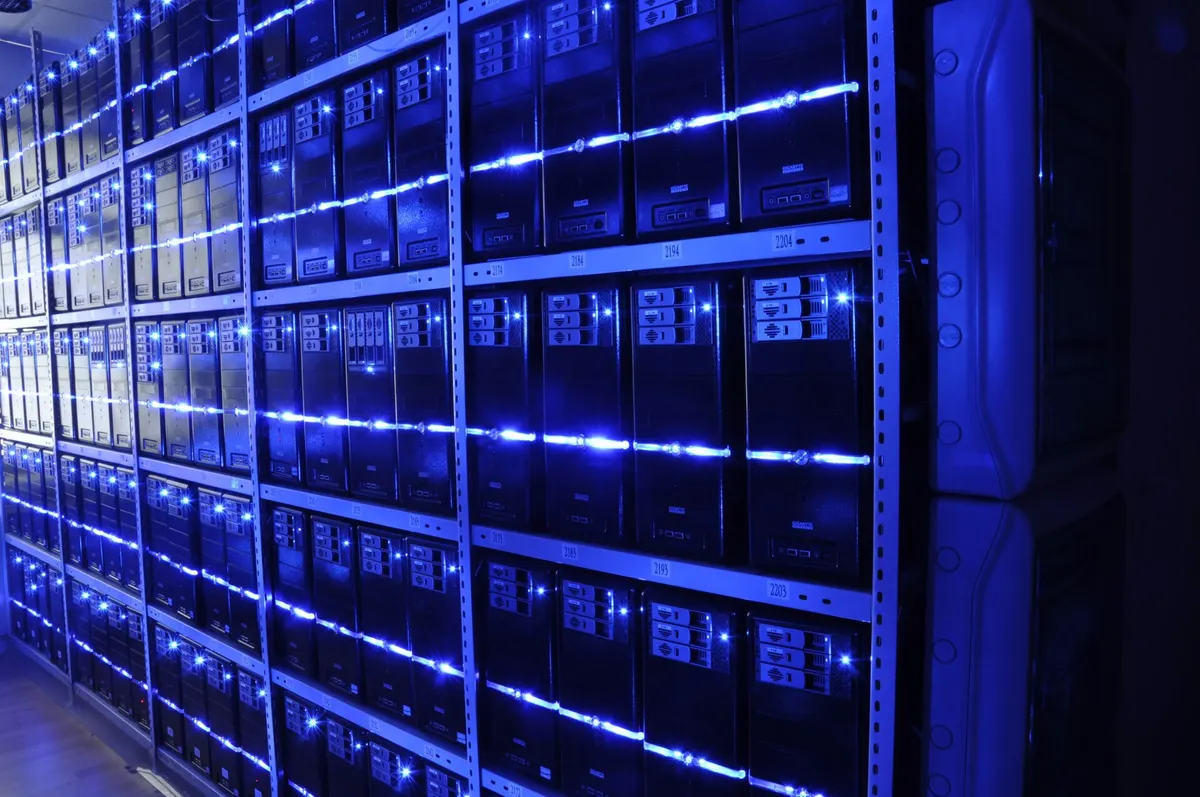
Inside these hyperscale facilities, security is tight. Visitors must submit passports in advance, and every interior door requires a key card. Within the server room, tall racks of computer hardware sit in utilitarian, warm spaces cooled by heavy air conditioning and filled with the piercing roar of running fans.
Community opposition has increasingly spilled into the political sphere. In Texas, newly elected officials are moving to regulate the boom, with governor-elect Gina Hinojosa planning to require newly permitted data centers to pay taxes, avoid raising consumer power prices, protect local water supplies, and utilize union labor.
Why it matters
The explosive growth of data centers directly impacts everyday residents through their quality of life, potential strains on local water access, and higher power bills. OpenAI’s chief global affairs officer, Chris Lehane, wrote that data centers have become a proxy for public unease about affordability and corporate power. However, local activists like Elena Schlossberg argue that painting the fight as a mere culture war ignores the stark reality of grid capacity. For residents living near these noisy facilities, the physical consequences are immediate and unavoidable.
For the tech industry, the stakes involve the pace of the entire artificial intelligence build-out. Major hyperscalers including Microsoft, Alphabet, Meta, and Amazon fund these facilities, which in turn drive massive revenues for chipmakers like Nvidia. Investors have worried that new regulations and community resistance could cap this expansion.
The background
Data centers have existed for decades as the foundational infrastructure of the internet, but they remained relatively obscure to the general public until the recent generative AI boom. Previously, researchers found it much easier to tour and study these facilities. The rapid acceleration of artificial intelligence drastically increased the scale and power requirements of new data centers, turning quiet technological facilities into massive industrial neighbors.
This infrastructure opposition is part of a wider movement targeting the physical manifestations of the tech industry, which also includes resistance against Flock cameras, Meta smart glasses, and Waymo self-driving cars.
What happens next
Debates over data center expansion are expected to continue as political leaders wield more governmental power following the midterms. While new regulations threaten to add costs for tech giants, financial analysts suggest that hyperscalers will likely absorb these expenses. Gene Munster of Deepwater Asset Management noted that soft costs, such as labor and community subsidies, make up only about 15% of a data center's bill, meaning a 30% jump in those costs raises the overall price by just about 5%. Texas plans to let every currently permitted data center finish construction, but future site approvals remain a primary risk for the industry.
Key takeaways
- Massive data centers built for generative AI have sparked a political backlash by straining local power grids and driving up utility bills for everyday residents.
- While Big Tech executives frame the resistance as a cultural proxy for public unease, local activists maintain that the fight is fundamentally about electricity and resource consumption.
- A typical data center in Virginia's Data Center Alley requires 54 megawatts of power, exceeding the energy draw of the Denver International Airport.
- Financial analysts estimate that even with new regulations requiring union labor, taxes, and consumer price protections, tech giants can absorb the added soft costs to continue their expansion.