
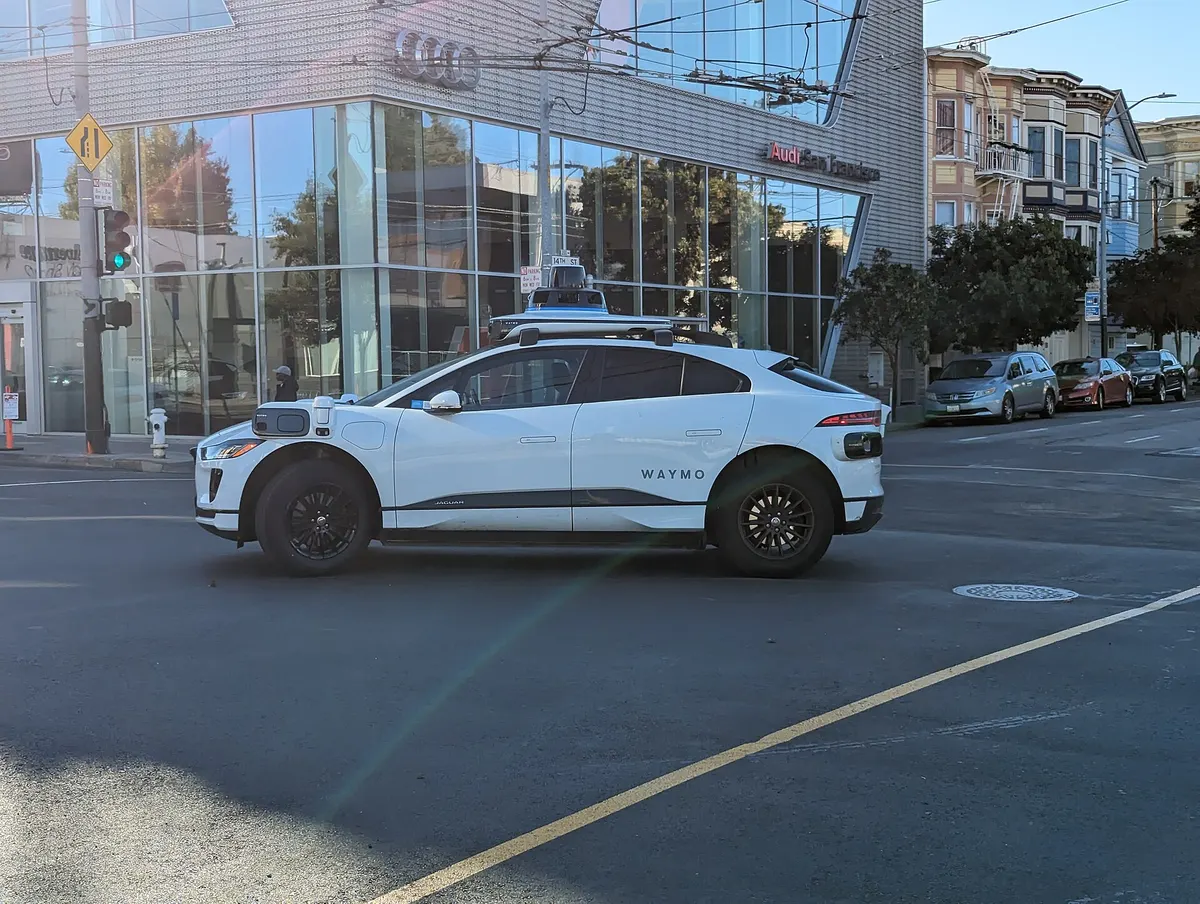
Autonomous vehicle developers are increasingly distancing themselves from ride-hailing giant Uber as the technology matures. Companies that build self-driving cars and sidewalk delivery robots are moving away from exclusive platform deals to build direct relationships with their users.
This shift challenges Uber's ambitious strategy to become the universal booking app for autonomous transportation. While dozens of international tech startups still feature their fleets on the app, the departure of industry leaders highlights growing friction over who controls the customer experience.
What happened
Uber CEO Dara Khosrowshahi expressed strong optimism during an August earnings call regarding his company's partnership with Waymo, the global leader in autonomous robotaxis. The two companies had collaborated for years across several cities, maintaining exclusive operations in Austin and Atlanta. Khosrowshahi praised the on-the-ground partnership as very strong and expected it to continue through the following year.
Within weeks, that relationship fractured. Waymo co-CEO Tekedra Mawakana announced that her company would end its exclusive robotaxi partnership with Uber, describing the mixed-fleet experience as a crapshoot for customers. Beginning in January 2028, riders in Austin and Atlanta will be able to hail driverless Waymo rides directly through the standalone Waymo app.
Serve Robotics, a company that operates thousands of sidewalk delivery robots across dozens of United States cities, similarly announced it would not renew its partnership with Uber Eats when the agreement expires in 2027. Serve Robotics CEO Ali Kashani noted that as autonomous technology transitions from a dream into a real commercial business, tensions regarding the future of operations are coming to light.
Why it matters
Artificial intelligence chatbots currently capture widespread public attention, but physical autonomous vehicles and delivery robots are actively performing real-world commercial work. Autonomy is now a legitimate commercial business, albeit an unprofitable one, giving developers the confidence to bypass middlemen.
For Uber, this trend threatens its goal of serving as the premier global robot-powered ride-hailing and delivery platform. The company had envisioned a massive ecosystem featuring tens of thousands of unsupervised autonomous vehicles across more than 50 cities by 2028, relying on dozens of external partners to build scale.
The background
In the early stages of commercializing autonomous technology, cash-strapped startups faced a skeptical public and significant hurdles to widespread adoption. Uber offered a straightforward value proposition: connect autonomous fleets to its massive daily user base of hundreds of millions of people to encourage consumer trust and jumpstart operations.
Industry observers have likened this strategy to a Trojan horse that successfully introduced cutting-edge autonomous products to regular riders who might otherwise have never considered them. More than 30 companies globally have established deals with Uber, including Amazon's Zoox in Las Vegas, China's WeRide in the Middle East and Spain, and Avride operating in Dallas.
What happens next
Waymo's exclusive partnership arrangement with Uber in Austin and Atlanta is scheduled to conclude by January 2028, at which point riders can use the dedicated Waymo app. Serve Robotics will allow its Uber Eats agreement to lapse when it expires in 2027.
Despite these high-profile departures, Uber continues to integrate other autonomous fleets worldwide. It remains to be seen whether Uber can retain enough international partners to sustain its vision of becoming the default global app for robot-driven transport.
Key takeaways
- Waymo is ending its exclusive robotaxi partnership with Uber to launch direct bookings through its own app in Austin and Atlanta by January 2028.
- Serve Robotics announced it will not renew its delivery partnership with Uber Eats when the current agreement expires in 2027.
- Autonomous vehicle developers are increasingly refusing to use intermediaries in order to establish direct relationships with their end customers.
- Uber maintains partnerships with more than 30 autonomous vehicle companies globally as part of its strategy to feature thousands of self-driving fleets.