
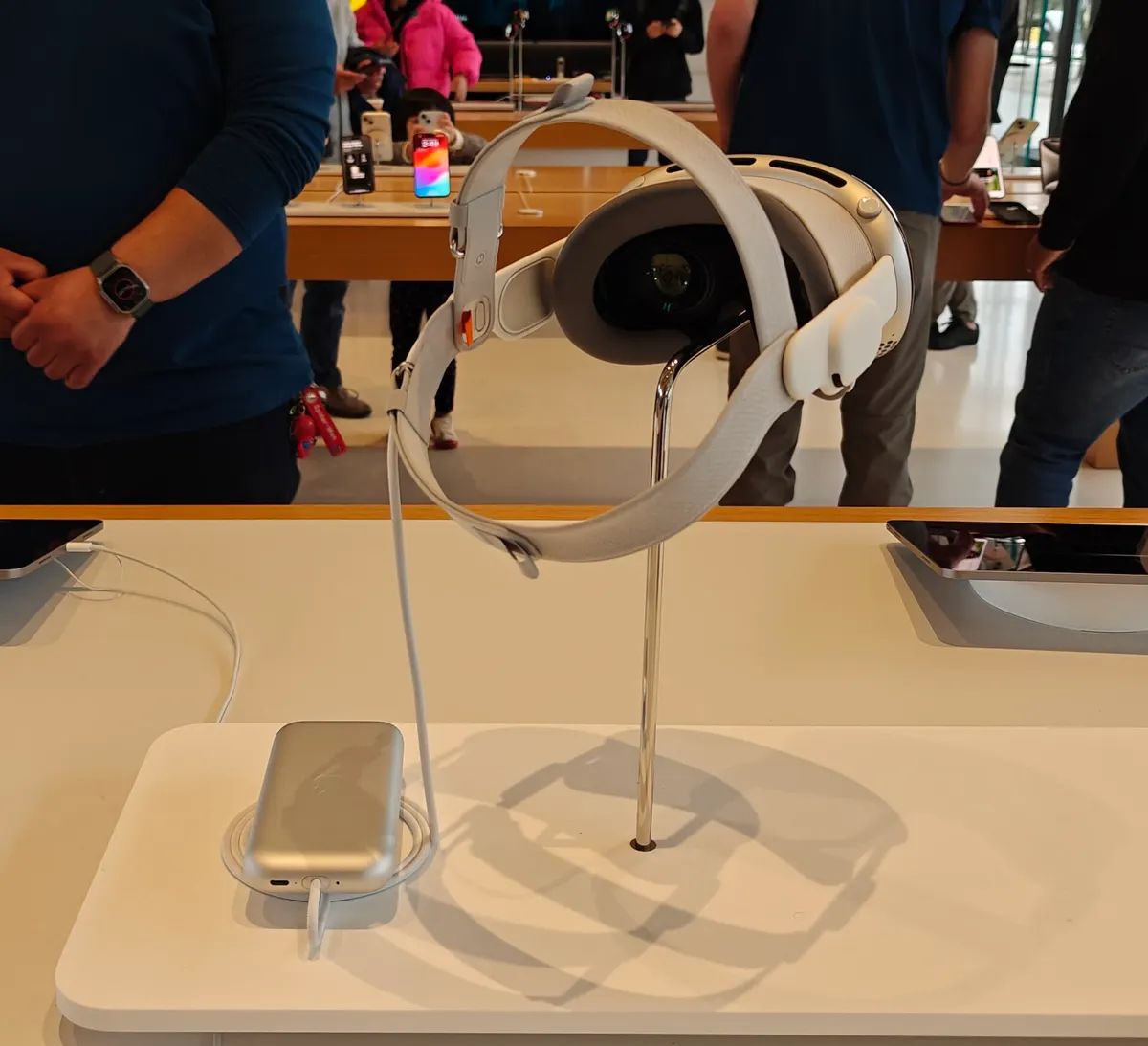
When Apple launched the Vision Pro headset in early 2024, it was billed as the most ambitious computing shift since the original iPhone. However, by 2026, the device has largely faded away after struggling with a high price tag, design flaws, and a shortage of native applications.
While Apple pulled staff from the project to focus on simpler smart glasses, competitors like Meta found greater market success with the Quest series and lightweight upcoming designs. The divergence highlights how rigid product standards and extreme pricing can limit mainstream adoption in emerging technology categories.
What happened
Apple released the Vision Pro in February 2024 with a starting price of $3,499. While some analysts were astounded by the engineering, the device faced immediate complaints regarding its weight—which ranges from 750 to 800 grams depending on the headband—and a shortage of practical reasons to wear it beyond watching videos or serving as an external monitor.
Estimates generally place Vision Pro sales at or under 500,000 units. Apple gave the device a single update with an M5 chip in October 2025, but analyst Ming-Chi Kuo suggested by June 2026 that Apple had dropped its headset program entirely, leaving only smart glasses in development.
Apple reportedly considered moving computing components off the face during early development but rejected the idea. Since launch, Apple has shelved at least three projects meant to fix the headset's flaws, including a model that offloaded computing to a Mac, a Vision Air model with an external pack, and a lighter, cheaper model with a less powerful chip.
Meanwhile, Meta poured billions into its metaverse ecosystem and achieved significant market penetration with the Quest 2 and Quest 3 headsets. Meta also unveiled upcoming VR Glasses priced at $1,299.99 for a spring 2027 release, weighing about 100 grams by moving processors and batteries into an external puck that clips onto clothing.
Why it matters
For consumers, the divergence between Apple and Meta demonstrates how hardware accessibility dictates market survival. Apple's refusal to compromise on onboard computing led to a heavy, expensive device that priced out everyday buyers and trapped developers in a classic chicken-and-egg dilemma regarding app availability.
For the tech industry, the stagnation of high-end headsets proves that immersive computing remains a niche market. Even Meta's bestselling Quest 2 reached only an estimated 20 million units, which pales in comparison to traditional consumer electronics like the PlayStation 4 or the iPhone.
The background
Extended reality, or XR, encompasses virtual reality and augmented reality devices that display digital objects in a user's environment or immerse them in entirely virtual spaces. Companies like Meta, formerly known as Facebook, invested tens of billions of dollars starting around 2021 to build out the metaverse and establish dominant platforms.
Apple has a history of entering established or emerging product categories late with highly polished, premium hardware, as seen with media tablets and smartwatches. However, products that lack immediate mass-market utility or face insurmountable pricing barriers—such as Apple's historic Newton PDA—have historically struggled to build sustainable developer ecosystems.
What happens nexts
Apple is reportedly exploring a redesigned headset code-named N224 that would follow Meta's philosophy by moving computing components into an external puck. However, the project is facing pushback from senior executives and is unlikely to ship before late 2028, if it launches at all.
Meta's new lightweight VR Glasses are scheduled for release in spring 2027, bringing a new design standard to the market. Meanwhile, Apple has shifted its immediate hardware attention toward simpler smart glasses without displays.
Key takeaways
- Apple launched the Vision Pro headset in early 2024 with a starting price of $3,500, but sales estimates generally place the figure at or under 500,000 units.
- Meta achieved greater market presence with the Quest product line and lightweight upcoming designs by prioritizing affordability and comfort over onboard hardware quality.
- Apple has shelved at least three internal projects meant to fix the Vision Pro's biggest flaws, including lighter models and external computing variants.
- Meta's upcoming VR Glasses are scheduled for a spring 2027 release priced at $1,299.99, featuring a weight of about 100 grams by using an external compute module.