
A recent Saturday Night Live comedy sketch satirizing the heavy burden placed on women to care for aging family members has gone viral, sparking widespread discussion and drawing attention from prominent US figures. The parody advertisement highlights how caregiving responsibilities frequently default to daughters and sisters.
What happened
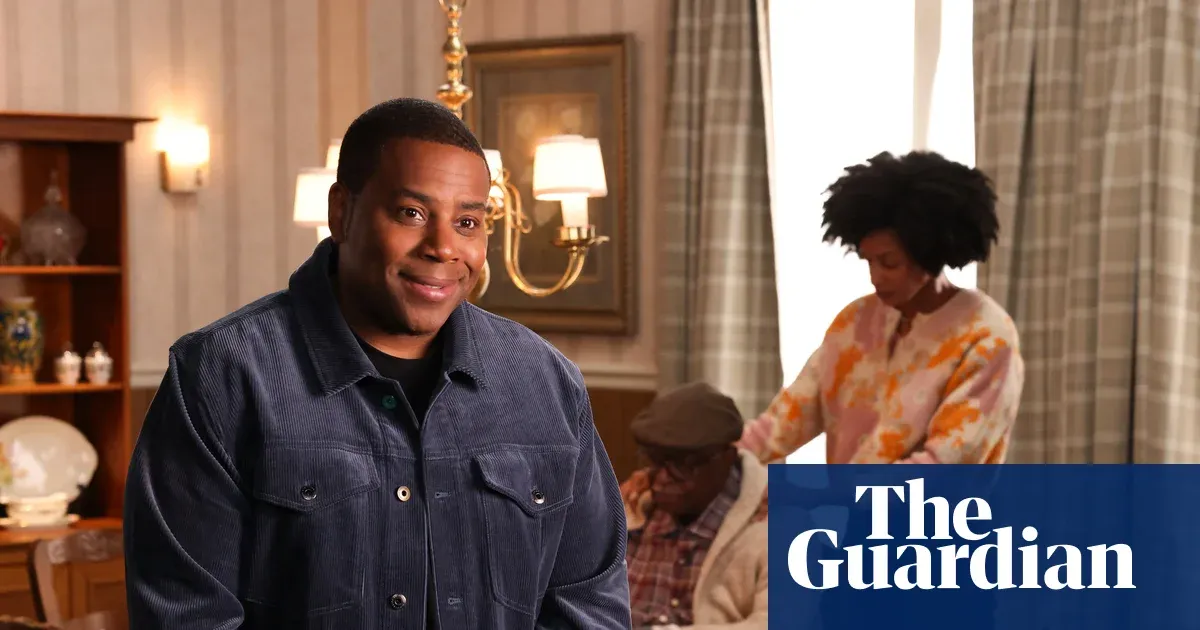
The Saturday Night Live sketch, titled Sister, aired recently and quickly amassed over seven million views on YouTube in less than a week. The parody presents a fictional commercial hosted by comedian John Mulaney, who touts a new elder care provider named Sister. Mulaney describes the service as a live-in, 24/7 care provider that is completely free and also your sister. In the sketch, cast member Jane Wickline plays the sister, administering medication to their father while other family members resume their regular lives.
The segment struck a chord with viewers, receiving thousands of comments about its realism from adults who serve as primary caretakers for their parents. The parody also caught the attention of prominent leaders, including Melinda French Gates, who posted on Instagram about the need for greater honesty regarding the toll of caregiving on women. US Senator Kirsten Gillibrand used the sketch on social media to promote her own legislation, the Supporting Our Direct Care Workforce and Family Caregivers Act, which she introduced in June 2026 to provide federal funding for training and retaining caregivers.
Individual caregivers across the United States responded strongly to the broadcast. Stacey Barnes, a 48-year-old web developer living in Minnesota who cares for her mother with Parkinson's, expressed amazement at seeing her daily reality reflected in popular culture. Shauna Sweeney, who founded a free caregiving platform called tendercare after caring for her father with early-onset Alzheimer's, noted that the skit brought public attention to issues that women have long discussed in private circles.
Why it matters
The sketch highlights a pervasive social reality where caregiving duties are disproportionately assumed by women without explicit discussion or division of labor. According to research from AARP and the National Alliance for Caregiving, more than 51 million Americans provide care to adults aged 50 and older, with three out of five of those caregivers being women. This invisible and unpaid labor often forces individuals to alter their careers, personal lives, and mental health to manage full-time medical and domestic support for aging relatives.
The background
Currently, the United States lacks comprehensive federal support systems for family caregivers. Medicare primarily addresses short-term medical needs, while Medicaid provides long-term care coverage only for individuals who meet strict medical and financial criteria. This leaves millions of families to navigate the financial, emotional, and physical demands of elder care largely on their own. Senator Gillibrand's proposed legislation aims to address these systemic gaps by delivering federal resources to states for family and direct-care workforce support.
What happens next
It remains to be seen whether the renewed public conversation and high-profile endorsements will translate into legislative action or passage for the Supporting Our Direct Care Workforce and Family Caregivers Act in Congress.
Key takeaways
- A Saturday Night Live sketch titled Sister went viral for satirizing the expectation that women will automatically shoulder family elder care responsibilities.
- More than 51 million Americans provide care for adults aged 50 and older, with three out of five of those caregivers being women.
- US Senator Kirsten Gillibrand used the attention from the comedy sketch to advocate for her pending legislation supporting family caregivers and the direct-care workforce.
- The segment prompted widespread personal reactions from caregivers across the country who felt recognized by the media representation for the first time.