
Donald Trump made up to $15m on his Nvidia holdings after the US chipmaker's share price surged following the return of Jensen Huang as chief executive. Trump took direct credit for the move, telling CNBC that he convinced the company's board to reverse its previous decision and reinstate Huang. The intervention sparked an immediate 31.5% spike in Nvidia shares on Monday, adding about $950bn to the company's market value. Financial disclosures indicate Trump could have held up to 370,000 shares at the time of the rally.
The dramatic sequence of events has drawn fierce political scrutiny in Washington while simultaneously lifting stock markets across the Asia-Pacific region. Economists suggest the reversal of fortunes for the artificial intelligence sector may push the US Federal Reserve back toward a more aggressive path of interest rate hikes.
What happened
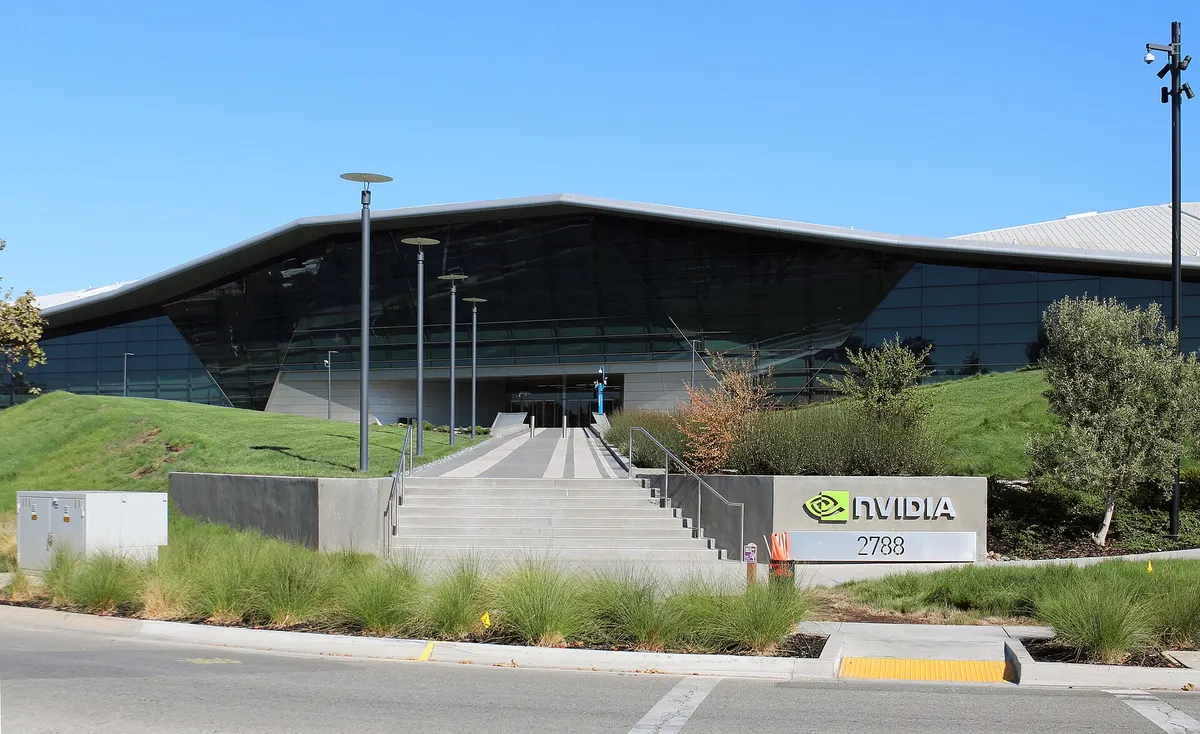
Jensen Huang, who co-founded Nvidia in 1993, had been ousted by the company's board following allegations of three affairs, including one involving a suspected Chinese spy and two with employees. Despite that initial ouster, the US president stepped in behind the scenes. Trump told reporters on Monday that he spoke to the board, convinced them, and made the deal. Following the president's intervention, Nvidia's board reinstated Huang as president and CEO. Huang returned to the company's headquarters in Santa Clara, California, where he was greeted by crowds of employees chanting his name.
The announcement triggered a massive 31.5% jump in Nvidia's share price on Wall Street, recouping recent losses. Government financial disclosures show Trump has bought Nvidia stock worth between $23m and $86m over the past two years, and has sold portions of his stake since returning to the presidency. Based on his holdings as of September 30, the latest available data, the market rally netted him between $1.3m and $15m in gains. The dramatic leadership change also drove a strong rally in Asia-Pacific stock markets on Tuesday, with indexes surging in Taiwan, South Korea, Japan and Australia.
Why it matters
The intervention has ignited a fierce political debate over executive ethics and potential conflicts of interest at the highest levels of government. Democratic lawmakers immediately called for investigations into the timing of the stock trades and the administration's involvement. Ruben Gallego, a Democratic senator from Arizona, posted on social media that the White House was the most corrupt in history and accused Trump of potentially sparking the popping of the AI bubble.
Beyond Washington, the episode highlights the systemic importance of individual technology leaders to the modern economy. Analysts at major investment banks are questioning whether top tech CEOs have become too vital to national interests and the artificial intelligence infrastructure buildout to be removed from office. Furthermore, the stabilization of the AI sector has altered macroeconomic expectations, with market analysts noting that fears of an immediate slowdown are receding and predicting a higher likelihood of a Federal Reserve interest rate hike in December.
The background
Nvidia has grown to become the literal beating heart of the global artificial intelligence boom, producing the powerful advanced computer chips required to train and run complex AI models. Jensen Huang has led the company since its inception and is widely viewed as a visionary figure in Silicon Valley. The company sits at the center of massive capital expenditure across the technology sector, making its operational stability a matter of intense global financial interest.
What happens next
Political opponents are demanding formal investigations into the stock transactions that preceded the reinstatement announcement. Meanwhile, traders and financial analysts are monitoring whether Nvidia's leadership stability will hold up against lingering questions regarding corporate governance and debt levels within the broader AI infrastructure market. Nvidia's shares dipped slightly in premarket trading as markets absorbed the political backlash, and further disclosures from the White House regarding the president's stock portfolio remain closely watched.
Key takeaways
- Donald Trump made up to $15 million on his Nvidia stock holdings after a 31.5% surge in the company's market value.
- Jensen Huang returned as chief executive after an intervention from the US president, who stated he convinced the board to make the deal.
- The leadership reinstatement triggered a massive stock market rally across the Asia-Pacific region, lifting indexes in Taiwan, South Korea, Japan and Australia.
- Democratic lawmakers have called for an investigation into the stock positions taken prior to the public announcement of Huang's return.