
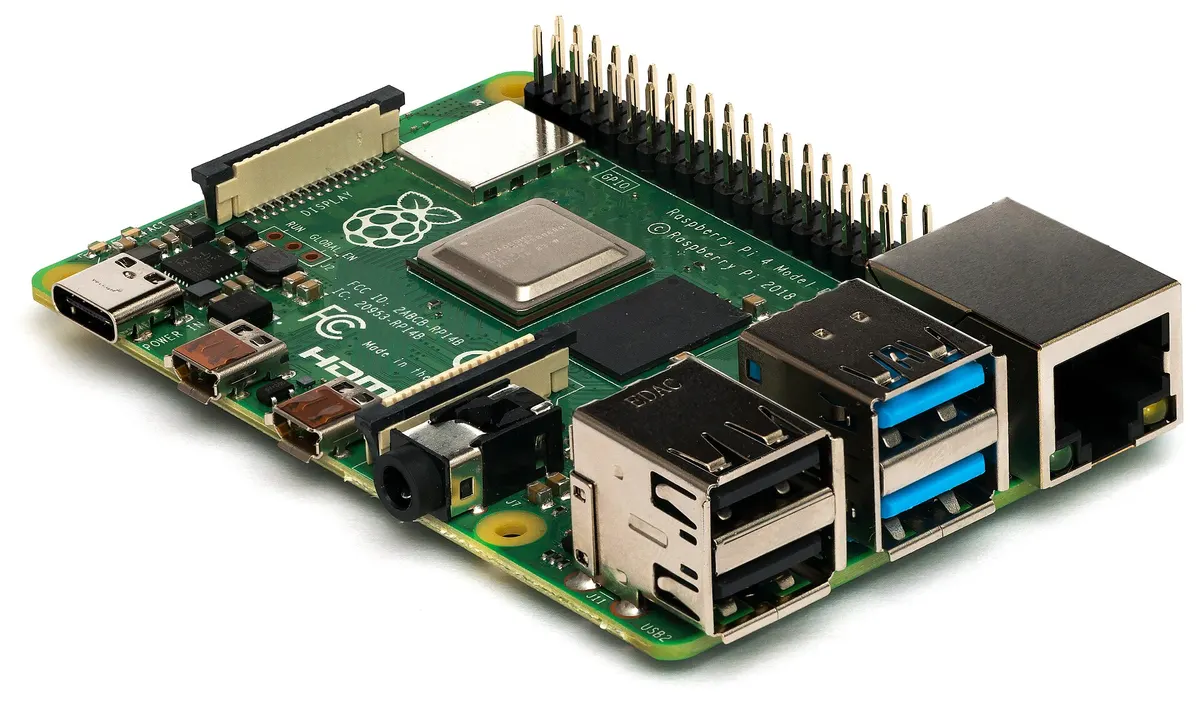
Rising memory costs across the technology industry have driven up prices for the Raspberry Pi line, making the latest models significantly more expensive. For buyers looking to start a hobby project, older hardware like the Raspberry Pi 4 often provides sufficient power at a lower cost.
While the newest hardware delivers major performance gains, those upgrades are largely unnecessary for basic tasks like home automation or single-purpose servers. Choosing older boards or shopping the second-hand market can help users bypass supply shortages and inflated retail prices.
What happened
In early November 2026, Raspberry Pi CEO Eben Upton announced an $80 price hike for the 16GB variant of the Raspberry Pi 5, pushing its price to $385. Earlier in the year, the 2GB, 4GB, and 8GB models of the Pi 5 also saw price increases due to an ongoing memory shortage in the tech industry. Meanwhile, higher-end Raspberry Pi 4 models have also become more expensive over the past year, though they remain cheaper and more widely available than the newer boards. The official starting price for a basic 1GB Pi 4 is $35, matching the original Raspberry Pi released in 2012.
The Raspberry Pi 5 offers more than twice the processing power of its predecessor, but users will likely only notice the difference if they use it as a standalone desktop computer. For hobbies like home automation, self-hosting, and robotics, the Pi 4's performance is rarely lacking. Furthermore, the Pi 4 has more modest power and cooling requirements. It operates adequately using a standard 15W USB adapter and a cheap passive aluminum heatsink. In contrast, the Pi 5 requires a 27W USB-C PD adapter and quickly exceeds 80 degrees Celsius under heavy loads, forcing the board to throttle its CPU unless equipped with a cooling fan.
Retailers frequently struggle to keep affordable Pi 5 models in stock, whereas older Pi 4 and 3B+ boards are readily available. Additionally, the second-hand market is flooded with pre-owned Pi 4 boards sold well below retail price by users upgrading their setups. Because Raspberry Pi boards lack moving parts and spend most of their time idle during tasks like media serving, second-hand units remain durable and safe to purchase.
Why it matters
The rising cost of single-board computers impacts hobbyists, educators, and developers who rely on affordable hardware for prototyping and home labs. While a smart home network running Home Assistant or basic sensors can comfortably operate on an older Pi 4, expanding that setup into a comprehensive home lab with network monitoring, DNS services, and heavy automation scripts eventually justifies the extra processing headroom of a Pi 5. However, hidden costs such as required 27W power adapters and dedicated cooling fans make the true price of running a Pi 5 significantly higher than its base sticker price suggests.
The background
First released in 2012 by the Raspberry Pi Foundation, Raspberry Pi computers are small, affordable single-board computers designed to promote the teaching of basic computer science and support hardware tinkering. Over the years, they evolved from educational novelties into powerful tools used worldwide for industrial applications, robotics, media servers, and home automation hubs. Despite their growth in computing power, the project's core mission has always centered on low-cost accessibility.
What happens next
Raspberry Pi CEO Eben Upton has characterized the recent price increases as a difficult but temporary phase, committing to lower prices once memory costs fall. However, industry memory manufacturers have warned that global supply shortages could extend into 2028 and beyond, leaving pricing and availability uncertain for the foreseeable future.
Key takeaways
- In early November 2026, Raspberry Pi CEO Eben Upton announced an $80 price hike for the 16GB variant of the Raspberry Pi 5, raising its price to $385.
- For hobbies like home automation, self-hosting, and robotics, older boards like the Raspberry Pi 4 provide sufficient performance without requiring expensive hardware upgrades.
- The Raspberry Pi 5 requires a more demanding 27W power adapter and a dedicated cooling fan to prevent thermal throttling under heavy loads.
- Raspberry Pi boards are remarkably durable second-hand purchases because they lack moving parts and run relatively cool under typical lightweight workloads.