
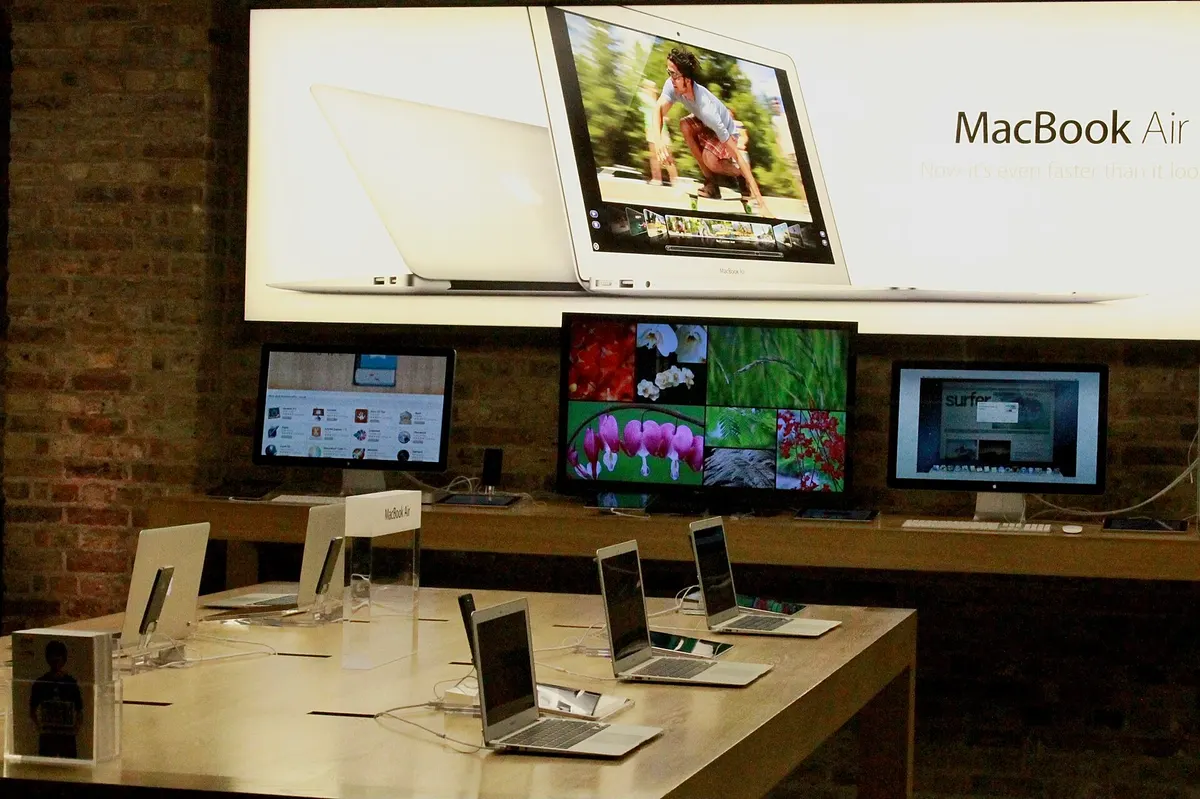
Apple's 2026 Mac lineup has expanded into new territory, introducing affordable entry-level hardware alongside advanced high-end options like OLED and touch-enabled MacBook Pro models. With midyear price increases affecting the entire portfolio, choosing the right computer requires balancing performance needs against tighter budgets.
For most users, the MacBook Air remains the standard recommendation, offering a powerful balance of portability and capability. However, shoppers must now weigh choices ranging from the budget-focused MacBook Neo to professional-grade workstations configured for complex artificial intelligence development.
What happened
The 2026 release cycle introduced several distinct additions to Apple's computer ecosystem. The MacBook Neo arrived as an entry-level laptop designed to push the boundaries of low cost and low power consumption. Meanwhile, the MacBook Pro line expanded to include a new model featuring an OLED screen and touch capabilities, driven by powerful M5 Pro and M6 chips depending on the configuration. Alongside these laptops, Apple refreshed desktop hardware including the iMac, Mac mini, Mac Studio, and introduced products like a foldable iPhone and updated iPads.
The MacBook Air received an M5 refresh in 2026, boosting its graphics processing unit performance to rival older Pro-tier chips. The 13-inch MacBook Air now starts at $1,299, representing a $200 price increase from previous generations, though it now features 512 GB of baseline storage rather than the previous lower capacity. The lineup is divided into 13.6-inch and 15.3-inch sizes, which differ mainly in screen dimensions and speaker quality.
Why it matters
Price adjustments and expanding hardware variations mean buyers face harder choices to avoid overpaying for unused performance or underbuying for resource-intensive tasks. Standard configurations often start with 8GB or more of RAM, but modern applications, resource-heavy web browsers, and emerging AI development software require careful memory planning. Because Mac memory and internal storage cannot be upgraded later, purchasing the correct configuration upfront is critical for long-term usability.
The background
Apple's Mac ecosystem relies on its custom-designed M-series processors, which have progressively replaced Intel chips across laptops and desktops to improve energy efficiency and processing power. Software development tools like Xcode have increasingly integrated AI capabilities, allowing users to build applications through direct prompts. Historically, Apple's MacBook Air has dominated consumer sales due to its lightweight design and fanless operation, maintaining a consistent exterior chassis style since 2021 while internally upgrading components.
What happens next
Prices for Apple hardware are not expected to decrease soon following the midyear hikes. Consumers must determine whether budget options like the MacBook Neo suffice for basic tasks or if they require specialized machines like the maxed-out Mac Studio for demanding development work.
- Apple's 2026 hardware releases range from the budget MacBook Neo to OLED MacBook Pro models.
- The 13-inch MacBook Air starts at $1,299 and now includes 512 GB of baseline storage.
- Mac internal memory and storage cannot be upgraded down the road, making initial configuration decisions permanent.