
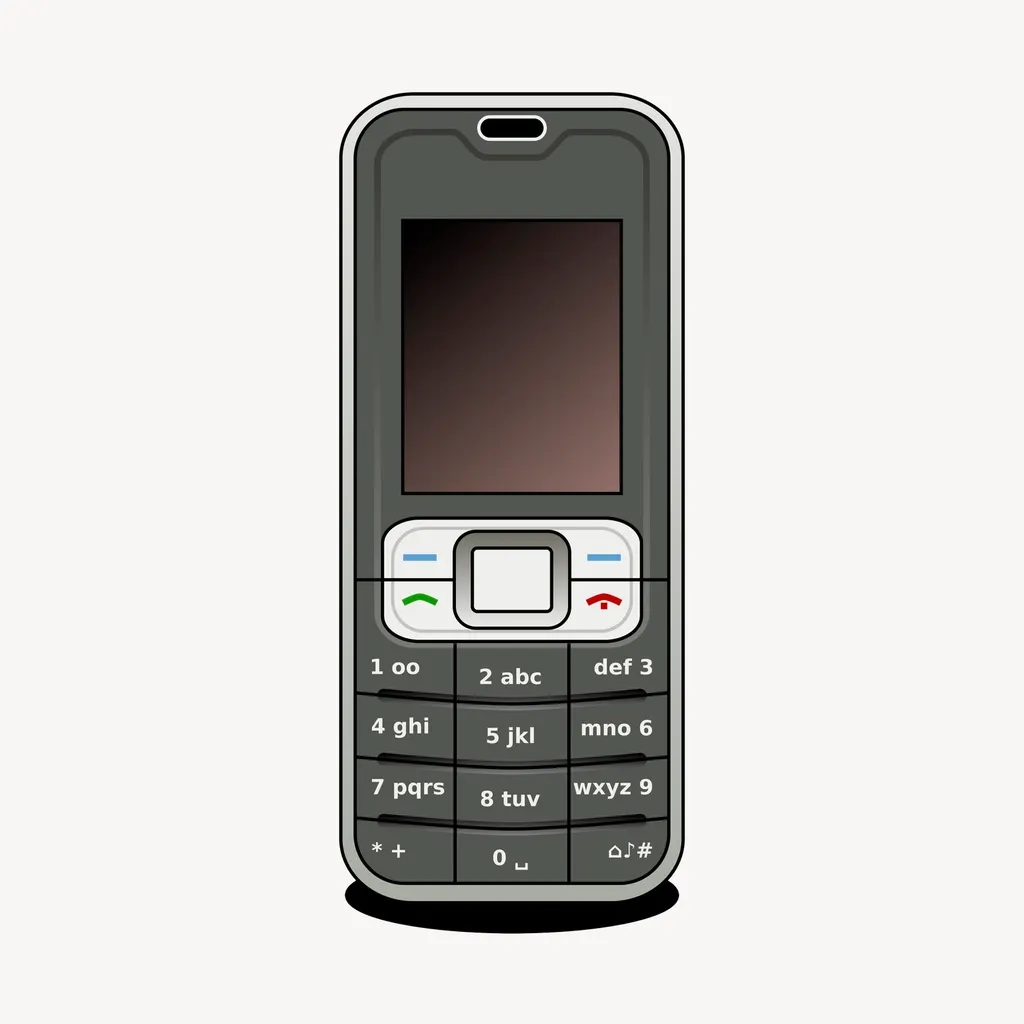
Smartphones have become the standard for mobile devices, yet a demand persists for pared-down devices known as dumb phones. These old-school-style phones offer basic features like calls and text messages to help users escape the constant notifications and screen time of modern technology.
While these devices promise simplicity, deciding to use one requires weighing significant trade-offs regarding daily convenience and modern connectivity in 2026.
What happened
For most people looking at dumb phones, reducing screen time is the primary benefit. It can be difficult to avoid social media and emails on a smartphone, even with built-in limiters like the iPhone's Screen Time. Because dumb phones cannot install most modern applications, users are largely freed from these digital distractions.
Many dumb phones are strictly limited to built-in apps for calls, messages, and alarms. Others run a basic version of Android that permits limited downloads like games, GPS navigation, and music players. Beyond cutting down screen time, these devices boast exceptional battery life. Due to small screens and underpowered chips, they can last for days on a single charge. For instance, the TCL Flip Go features a battery rated to last roughly 14 days on standby, making such devices reliable companions for specific outdoor adventures.
Privacy is another major draw. Without third-party apps tracking user data to sell to advertisers, personal information remains more secure. These phones are also inexpensive, usually costing less than $100 in the United States, which is half the price of the lowest-cost Android smartphones.
Why it matters
Completely replacing a regular smartphone with a dumb phone introduces severe limitations to daily life. Users give up modern conveniences such as mobile wallets like Apple Pay or Samsung Pay, high-quality portable cameras, and ride-sharing services like Uber if the chosen model lacks third-party application support.
Messaging also changes drastically. Users must rely on standard SMS or RCS messaging, as popular services like iMessage, WhatsApp, and Telegram are frequently unavailable. Most dumb phones are limited to 4G networks, and internet access varies widely. Essential tools such as two-factor authentication apps, banking applications, and streaming platforms like Spotify often will not function on these pared-down devices.
What to know
Given the friction of living without essential modern software, industry experts suggest treating a dumb phone as a secondary device rather than a complete replacement for a primary smartphone. While they offer a welcome refuge from relentless notifications and algorithmic feeds, their practical limitations mean most users will quickly miss the utility of a standard smartphone.
Key takeaways
- Dumb phones offer a distraction-free experience by blocking most social media and modern applications.
- Battery life is exceptionally long, with some models lasting up to 14 days on a single charge.
- These devices generally cost less than $100 in the US, providing a budget-friendly and private alternative.
- Completely replacing a smartphone means losing access to mobile wallets, banking apps, maps, and modern messaging services.