
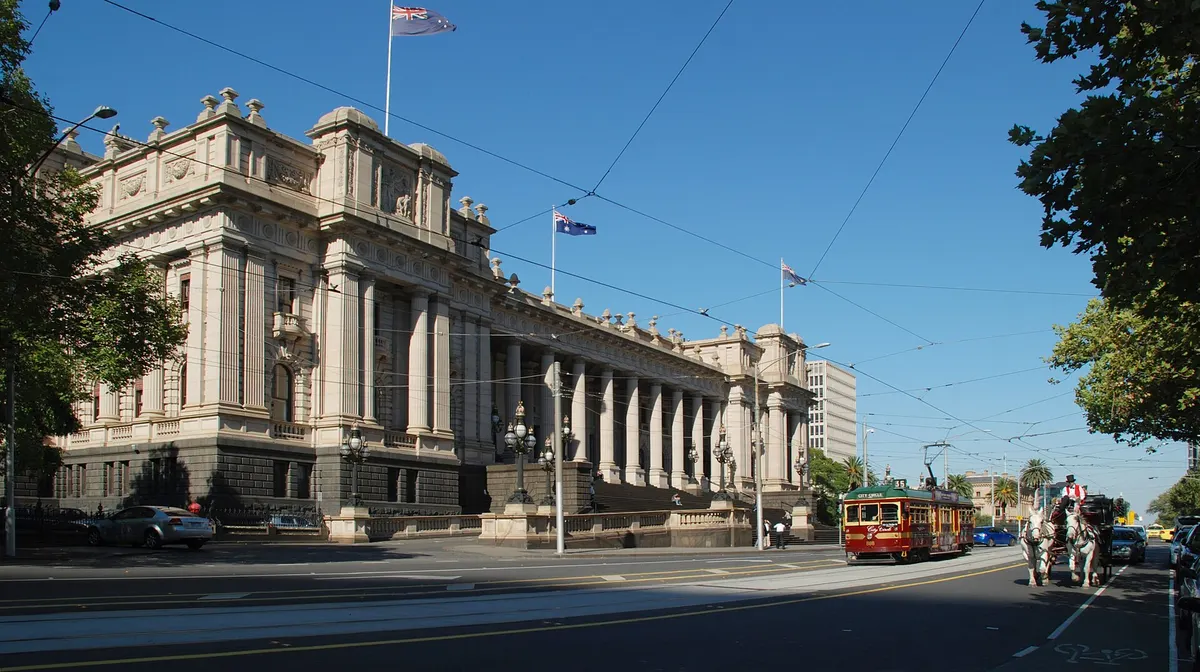
Victorians are heading to the polls on Saturday, November 28, 2026, to decide the outcome of one of the most consequential state elections in recent history. Millions of voters are casting ballots across 88 lower-house seats and 40 upper-house seats, bringing an end to a campaign dominated by household costs, crime, and state debt.
Final polling and pundits point to a decisive defeat for the Australian Labor Party, which has governed Victoria for 12 years under leaders Daniel Andrews, Jacinta Allan, and current Premier Ben Carroll. The Liberal-National Coalition, led by Jess Wilson, is projected to win a strong position in parliament, while minor parties like One Nation and the Greens could wield significant influence over the balance of power.
What happened
The final full day of campaigning on Friday saw fierce clashes between major and minor party leaders. Opposition Leader Jess Wilson faced intense pressure over a last-minute Coalition policy announcement to lease Melbourne Water's sewerage treatment plants, pipes, and pumping stations for 90 years. The proposed $9.2 billion lease is a central pillar of Wilson's fiscal strategy to slash the state's net debt, which the Treasury forecasts will reach nearly $200 billion by the end of the decade.
Premier Ben Carroll, who has spent only four months in the top job after succeeding Allan, defended Labor's record on schools, teacher pay, and public transport relief. Carroll warned voters against the Coalition's asset sales and criticized Wilson for opening the door to populist parties. Meanwhile, Warren Pickering of One Nation—a party predicted to make substantial gains in the upper house—vouched that his party would vote against the Melbourne Water lease in parliament, arguing that essential infrastructure built by generations of Victorians should not be privatized.
The final stretch of the campaign was also overshadowed by electoral controversy. Teal independents in the seats of Kew and Hawthorn wrote to the Victorian Electoral Commissioner demanding an urgent investigation into political donations made to the Victorian Liberal Party. The Australian Broadcasting Corporation revealed that companies linked by directorships to property developers had made a series of donations that individually complied with caps but, when aggregated, totaled well above the legal limit permitted by a single entity. The Victorian Liberal Party maintained that it operates in full compliance with the Electoral Act, while the Victorian Electoral Commission noted it assesses complaints through its standard regulatory procedures.
Why it matters
The election carries profound financial and social consequences for every Victorian household. With cost-of-living pressures cited by 41 per cent of voters as their primary concern, families are weighing competing promises on household expenses, housing affordability, and first-home buyer stamp duty thresholds. Community safety, policing, and bail laws are also front of mind for residents dealing with crime and repeat property theft.
At the macro level, the state's soaring debt load is the defining policy divide. The Coalition has pledged aggressive asset sales—including government land, wholesale fruit and vegetable markets, and remaining stakes in VicRoads—to reduce net debt by $20 billion by 2029-30 and achieve a cash surplus by 2032. Labor's campaign commitments offered a much smaller reduction of $1 billion, leaving the state on a higher debt trajectory. Whichever party commands the next parliament will dictate how public infrastructure, regional hospitals, and major transit projects like the Suburban Rail Loop are funded.
The background
Labor has held power in Victoria since 2014, establishing a dominant political footprint under Daniel Andrews before leadership transitions brought Jacinta Allan and then Ben Carroll to the premiership. The state's fiscal landscape shifted dramatically during this period due to heavy infrastructure spending and pandemic-era expenditures, leading to a projected net debt approaching $200 billion. The Coalition led by Jess Wilson has campaigned heavily on fiscal repair, contrasting its plans with Labor's spending trajectory.
Simultaneously, the political landscape has fragmented with the rise of independent teal candidates and populist entities like One Nation, founded by Pauline Hanson. These groups have carved out influential positions in traditional two-party contests, particularly in suburban and regional electorates where voters are demanding distinct solutions to local economic pressures.
What happens next
Polling booths close at 6pm on Saturday, after which formal vote counting begins immediately. Final results and the precise makeup of the lower and upper houses will become clearer as votes are tallied, revealing whether the Coalition forms government and whether minor parties secure the balance of power in the Legislative Council.