
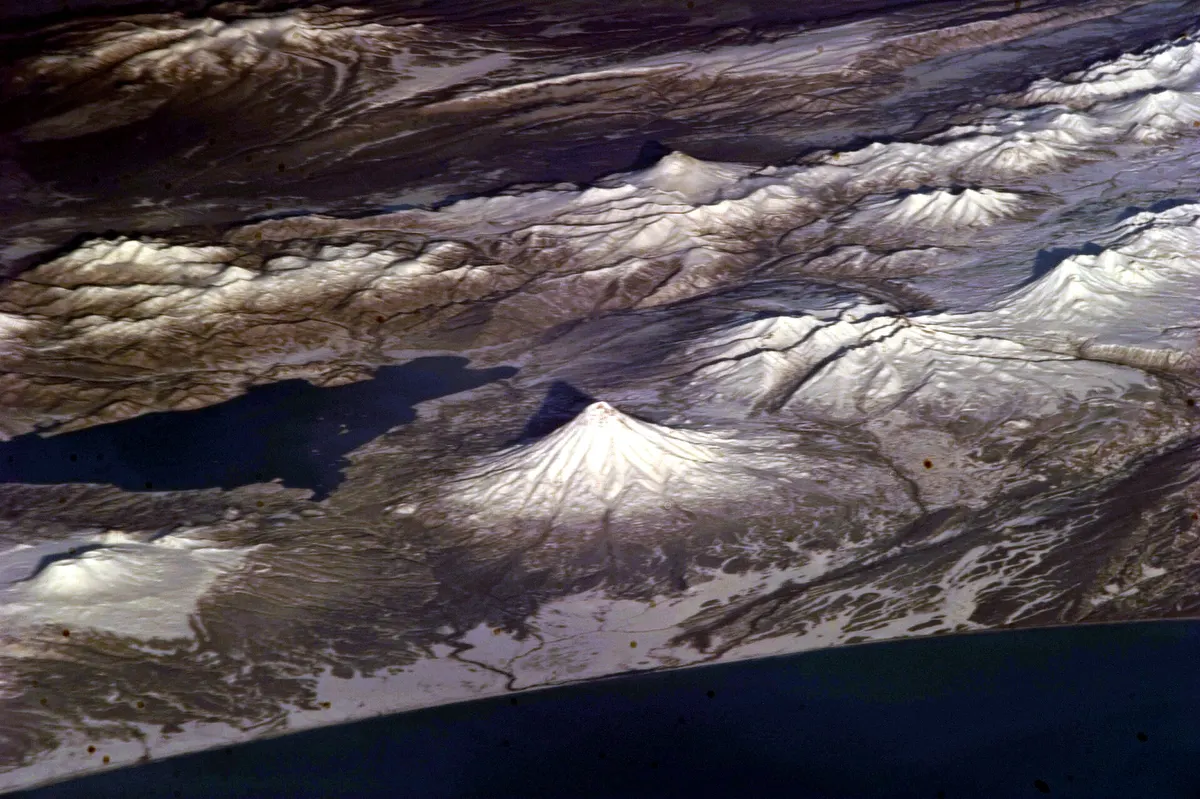
A magnitude 6.7 earthquake struck the Kamchatka Peninsula in eastern Russia on Saturday, November 28, 2026. The tremor occurred deep underground, roughly 116 to 127 miles beneath the surface, centering about 38 miles north-northwest of Yelizovo. Official agencies confirmed there were no immediate reports of injuries or structural damage. Authorities also determined that the deep underground nature of the quake posed no tsunami threat to the United States West Coast, Alaska, or British Columbia.
While preliminary automated assessments slightly varied—with some tracking tools listing a magnitude 6.8 at a depth of 112 miles—the United States Geological Survey finalized its reviewed solution at magnitude 6.7. The epicenter was located near the regional capital of Petropavlovsk-Kamchatsky. Because of the substantial depth of the quake, seismologists noted that intermediate-depth temblors typically cause less violent shaking on the surface than shallow earthquakes of similar size. Consequently, the United States Geological Survey assigned the event a green alert in its PAGER system, which represents the lowest tier for potential economic losses and fatalities.
The earthquake matters because it underscores the intense, ongoing seismic hazards of the Pacific Ring of Fire, though this specific event fortunately spared the region from destruction. Deep earthquakes generally dissipate much of their energy before reaching populated surface areas, preventing widespread structural failures and dangerous sea-level anomalies. Even so, the region remains acutely sensitive to seismic shifts following a massive historical precedent set just a year prior.
The Kamchatka Peninsula is situated directly along the Pacific Ring of Fire, a 25,000-mile belt encircling the Pacific Ocean where roughly 90% of the world's earthquakes occur. This heavy seismic activity is driven by tectonic plates grinding together, specifically where the Pacific tectonic plate sinks beneath the Okhotsk plate. The peninsula is no stranger to catastrophic seismic events; it suffered one of the strongest earthquakes in modern history on July 30, 2025, when a shallow magnitude 8.8 tremor struck off the east coast and triggered widespread tsunami alerts across the Pacific.
Official monitoring bodies stated that no further informational messages regarding tsunami dangers would be issued unless new data emerges. Russian officials had not published formal damage assessments in the immediate hours following the tremor, but automated loss estimations and ground shaking models suggested minimal disruption.
- A magnitude 6.7 earthquake struck Russia's Kamchatka Peninsula on Saturday, November 28, 2026.
- The epicenter was located approximately 38 miles north-northwest of Yelizovo at a considerable depth underground.
- Authorities confirmed that the deep tremor posed no tsunami danger to Alaska, British Columbia, or the United States West Coast.
- The United States Geological Survey assigned the event a green alert, indicating minimal expected fatalities or economic loss.