
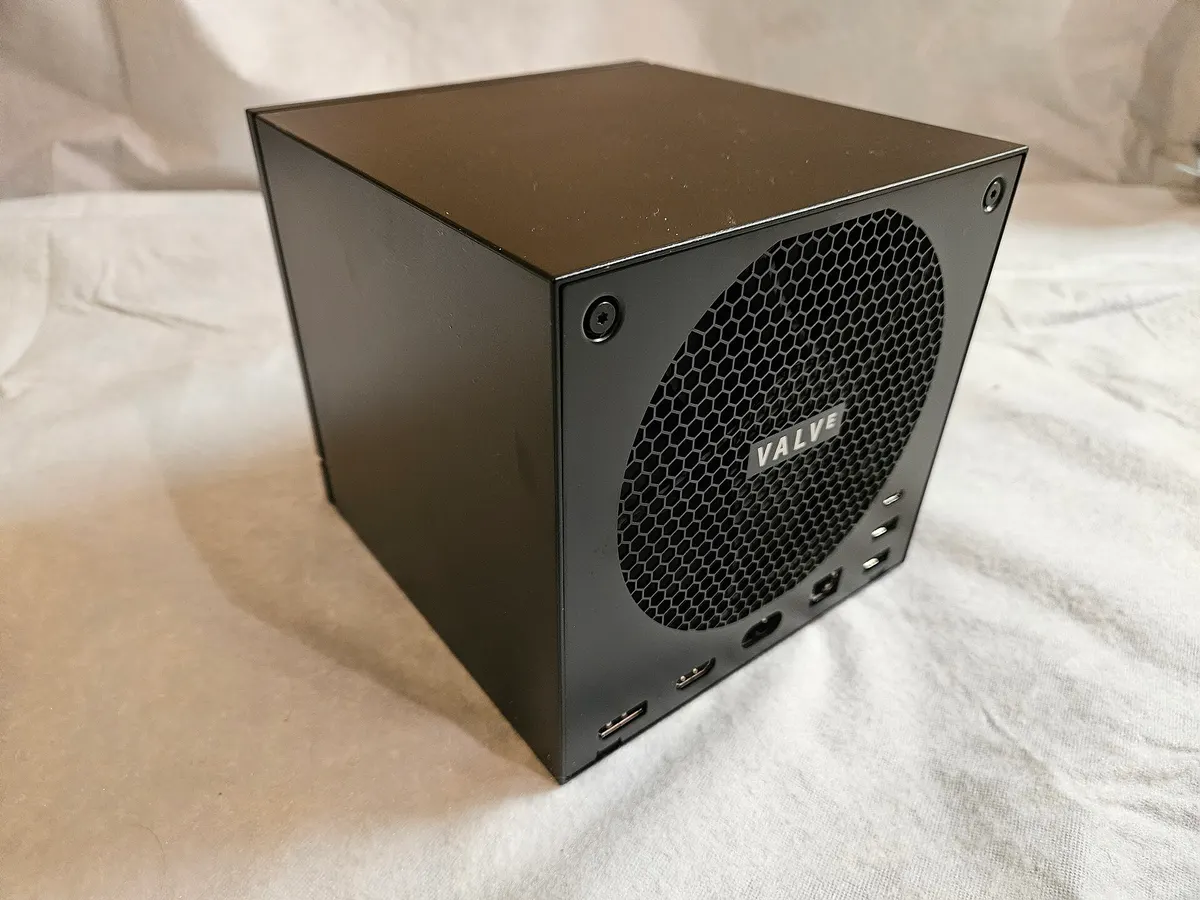
Valve has announced that it has fulfilled all waitlist orders for the smaller 512GB version of its Steam Machine, shifting to a standard retail model where anyone can buy the device while current supplies last. The change brings the buying experience closer to that of traditional home consoles, though future availability remains tied to fluctuating component costs and manufacturing limits.
While the 512GB model can now be purchased directly, the higher-end 2TB model faces stricter limitations. Valve has finished issuing purchase invites to its existing reservation holders for the 2TB version, but because demand far outstrips the number of units available, the company has closed the waitlist to new sign-ups and marked the model as out of stock on Steam.
What happened
Officially introduced in November 2025, the Steam Machine is Valve's hybrid device designed to blend traditional console gaming with a PC architecture running SteamOS and supporting TV connections. It features a custom AMD and Valve chip, an RDNA 3-based graphics processing unit with 28 compute units, a 6-core Zen 4 central processing unit, 16GB of DDR5 RAM, and 8GB of GDDR6 VRAM, alongside a high-speed microSD card slot.
To manage early demand following difficulties with its Steam Controller, Valve instituted a reservation waitlist system. The company has since worked through the waitlist for the 512GB variant, enabling open purchases until the current inventory sells out, at which point it will be marked as out of stock rather than returning to a waitlist format. The 2TB model, which weighs 2.8 kg, has finished its initial round of invites for current reservation holders, but latecomers on that list will retain their place.
Beyond direct sales through Steam, international availability is emerging via third-party storefronts. The 512GB variant has been listed on the digital storefront Playasia for release in regions like India—where Valve has not officially launched the device—priced at ₹1.48 lakh. The 2TB variant has also appeared on Playasia for upcoming pre-orders, though its regional pricing has not yet been detailed.
Why it matters
Buyers face a significant strategic choice regarding storage capacity when purchasing a device. Modern AAA titles vary wildly in file size, ranging from lightweight indie games like Stardew Valley taking up 500MB to massive blockbusters like Baldur's Gate 3 requiring upwards of 150GB. Selecting the right model is critical, as expanding storage later via microSD cards can introduce loading or gameplay issues, while external drives can increase load times.
Furthermore, the economics of the hardware market heavily impact consumers. Valve's original launch price of $1,049 was driven up by soaring memory and storage costs, which have been artificially inflated by the massive data center buildouts powering the artificial intelligence industry. Valve notes that launching at that price point was never its original plan, but high component costs and tight supplies ultimately constrained the company's pricing flexibility.
The background
Valve is a prominent video game developer, digital distributor, and hardware maker best known for creating the Steam storefront and the Steam Deck handheld. The Steam Machine represents the company's latest push into living room hardware, attempting to bridge the gap between open PC gaming flexibility and closed console convenience. However, entering the hardware market has brought recurring supply chain hurdles, compounded by industry-wide memory pricing pressures often referred to colloquially as RAMaggedon.
What happens next
Valve plans to continue manufacturing Steam Machines, but future availability will fluctuate and prices could change depending on market conditions. The company states that it does not yet know exact future manufacturing volumes or future retail prices, noting that the 2TB model in particular will remain severely constrained. Valve expects to share more details regarding overall Steam Machine availability in January.
Key takeaways
- Valve has finished its waitlist for the 512GB Steam Machine, allowing open purchases until current supplies run out.
- The 2TB Steam Machine waitlist is closed to new sign-ups because demand heavily exceeds manufacturing capacity.
- High memory and storage costs, driven by the AI industry's data center expansion, have heavily influenced the device's pricing and supply constraints.
- International buyers are finding the device through third-party platforms like Playasia, though Valve has not officially launched the hardware in regions like India.
- Valve expects to provide further updates on Steam Machine production and availability numbers in January.