
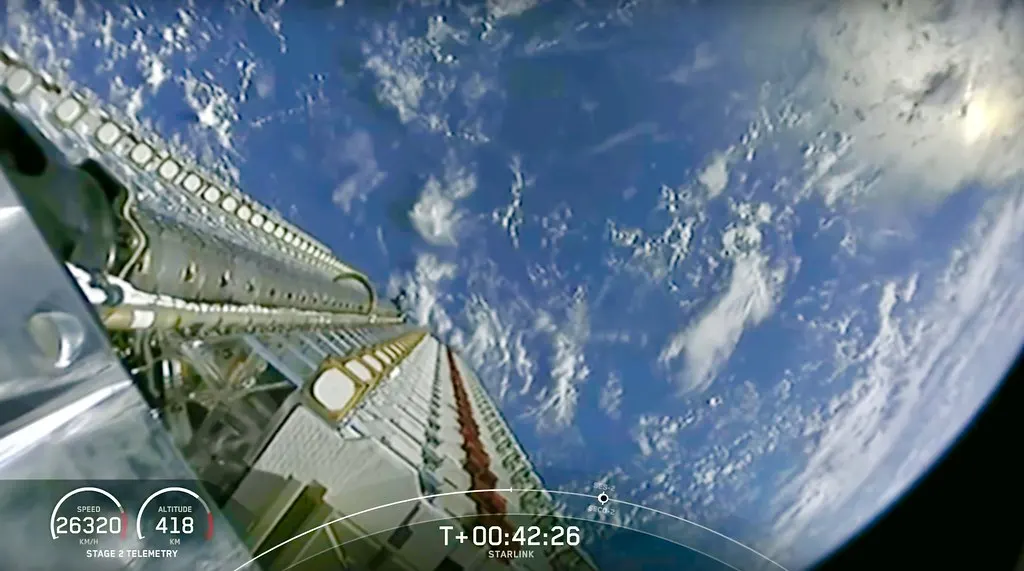
The U.S. Federal Communications Commission (FCC) has granted SpaceX authorization to deploy a massive constellation of up to one million satellites designed to operate as orbital data centers. This project, known as Starmind, represents the first regulatory approval of its kind for space-based computing infrastructure.
SpaceX intends for these solar-powered satellites to process artificial intelligence workloads in orbit, bypassing the limitations and environmental concerns associated with traditional ground-based data centers. The company believes this approach offers a more efficient way to meet the global surge in demand for AI computing power.
What happened
On November 25, 2026, the FCC issued the authorization for Space Exploration Holdings, the operating entity of SpaceX, to begin developing its Starmind system. The project envisions a vast network of satellites, operating in low-Earth orbit at altitudes between 500 and 2,000 kilometers, which will communicate with one another and relay data back to Earth via the existing Starlink infrastructure.
While the approval allows for up to one million satellites, it remains unclear whether the company will ultimately launch that many or if the figure represents a ceiling for its regulatory request. The FCC has imposed strict deployment milestones: SpaceX must begin deployment no later than November 2033, with 10% of the constellation operational by November 2035 and 50% by November 2038.
Why it matters
This project is presented as a solution to the growing physical and environmental strain caused by data centers on Earth. These facilities require massive amounts of electricity and water for cooling, and their construction has faced significant local opposition and political scrutiny in the United States. By moving this infrastructure into space, SpaceX claims it can access renewable solar energy and avoid the land-use conflicts currently plaguing the tech industry.
However, the proposal faces substantial criticism. Astronomers have warned that the presence of such a massive number of satellites would significantly undermine the public's ability to study and observe the night sky. Additionally, competitors like Amazon have characterized the project as a lofty ambition rather than a concrete plan. There are also ongoing concerns regarding the potential for orbital congestion, as experts caution that increasing the number of objects in low-Earth orbit raises the risk of collisions that could generate dangerous space debris.
The background
SpaceX is a private aerospace company founded by Elon Musk, which already operates Starlink, a network of over 10,000 satellites providing high-speed internet. The Starmind project builds upon this existing satellite technology but shifts the focus toward high-performance computing. The concept of an orbital data center is being explored by several firms, including Google and Blue Origin, as a potential greener alternative to terrestrial facilities.
Technically, the FCC has authorized SpaceX to deploy and operate a constellation of up to one million satellites designed to function as artificial intelligence data centers in low Earth orbit. The project is framed by regulators as a way to support America's booming super intelligence economy, with officials suggesting it could help the nation move toward a hypothetical Kardashev II civilization, capable of harnessing the full power of the sun.
What happens next
SpaceX has stated its intention to launch the first Starmind satellite next year. While the FCC has granted the necessary license, the project still faces significant engineering, financing, and thermal-management challenges. Furthermore, some of the regulatory exemptions requested by the company remain unresolved, and the firm must still coordinate its radiofrequency operations to ensure it does not interfere with other satellite operators or government systems.
Key takeaways
- The FCC has authorized SpaceX to deploy and operate a constellation of up to one million satellites designed to function as artificial intelligence data centers in low Earth orbit.
- The project is framed by regulators as a way to support America's booming super intelligence economy.
- SpaceX must begin deployment no later than November 2033, with 10% of the constellation operational by November 2035 and 50% by November 2038.
- Astronomers have warned that the presence of such a massive number of satellites would significantly undermine the public's ability to study and observe the night sky.