
Norwegian low-cost airline Norse Atlantic Airways has suspended all flight operations as it faces a critical financial crisis. The carrier warned that its board intends to file for bankruptcy if it cannot urgently secure short-term funding or a viable takeover deal.
The sudden grounding affects long-haul routes connecting European hubs like London Gatwick with destinations including Orlando, Cape Town, Bangkok, and Phuket. Passengers have been left stranded or facing disrupted travel plans during the busy holiday season.
What happened
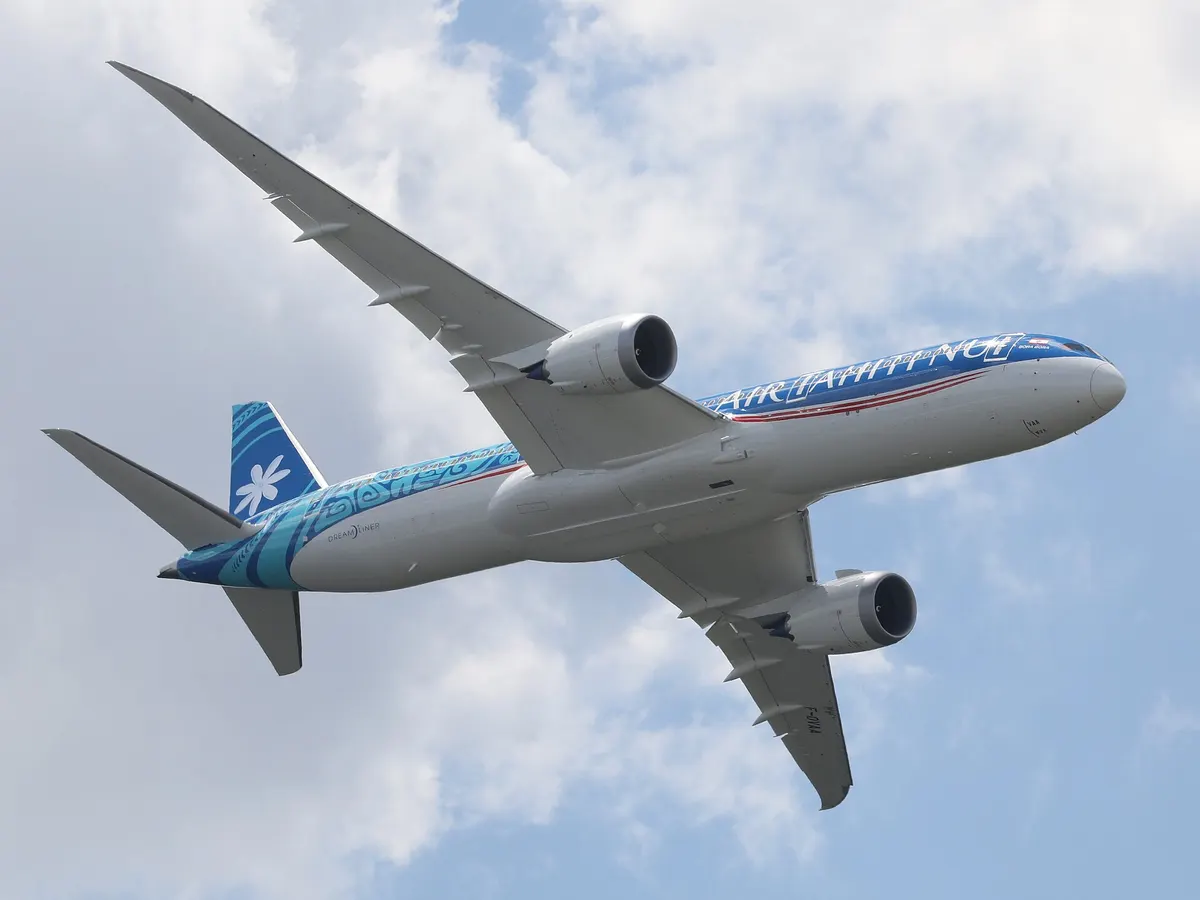
The crisis came to a head when Norse Atlantic unexpectedly suspended its operations, returning its fleet of 12 Boeing 787 aircraft to bases in Norway, Sweden, and the United Kingdom. Prior to the shutdown, the airline was operating scheduled services and fulfilling a wet-lease agreement—providing aircraft, crews, maintenance, and insurance—for Pakistan International Airlines. That agreement was abruptly halted, forcing Pakistan International Airlines to cancel flights from London to Islamabad and Manchester to Lahore and switch to its own fleet.
Norse Atlantic announced to the Oslo Stock Exchange that its financial situation had become critical. The announcement triggered an 85 percent plunge in the carrier’s share price, wiping out about 99 percent of its market value since the beginning of the year. The airline had been actively seeking a buyer since July and is currently in discussions with investors regarding a potential takeover that would include a financing solution, though the board noted there is no guarantee of success.
Why it matters
The potential collapse of Norse Atlantic deals a heavy blow to international travelers, particularly those booked on long-haul budget routes. Consumer group Which? advised passengers not to cancel their flights themselves, as doing so voids their right to a refund, noting that refunds depend on how tickets were paid for and whether travellers booked directly or through package holidays.
The shutdown also impacts regional tourism economies. In Cape Town, the grounding threatens festive travel for thousands and jeopardizes local events just as the city's summer peak season begins. Furthermore, the disruption highlights the vulnerability of the low-cost long-haul aviation model, which has consistently struggled to remain financially sustainable.
The background
Founded in 2021 by entrepreneur Bjørn Tore Larsen, Norse Atlantic entered the market as a successor to Norwegian, a carrier that had withdrawn from long-haul routes during the COVID-19 pandemic. Norse launched its Gatwick-to-Cape Town route in October 2024 specifically to challenge the established duopoly of British Airways and Virgin Atlantic.
However, the airline struggled to turn a profit, and its financial problems escalated severely due to soaring jet fuel prices. Following the outbreak of conflict involving Iran, aviation fuel prices roughly doubled. Unlike many competitors that hedge their fuel costs by purchasing supplies in advance at fixed prices, Norse Atlantic was left fully exposed to the market spikes, resulting in a $94.6 million loss in the first half of the year. Its plight echoes the failure of US-based low-cost carrier Spirit Airlines, which also collapsed in May after being exposed to soaring fuel costs without hedging.
What happens next
Norse Atlantic is locked in urgent talks with investors to secure a rescue deal and short-term liquidity. If these negotiations fail, the airline's board intends to file for bankruptcy immediately. It remains unconfirmed whether potential buyers will step in with sufficient capital to revive operations or if the fleet will remain permanently grounded.
- Norse Atlantic Airways suspended all flights and warned it will file for bankruptcy unless it secures emergency funding.
- The grounding affects a fleet of 12 Boeing 787 aircraft operating long-haul routes from European airports to destinations like Cape Town and Orlando.
- Soaring aviation fuel expenses that doubled amid conflict in the Middle East severely worsened the carrier's financial crisis.
- Consumer group Which? advised passengers not to cancel affected flights independently to preserve their refund rights.