
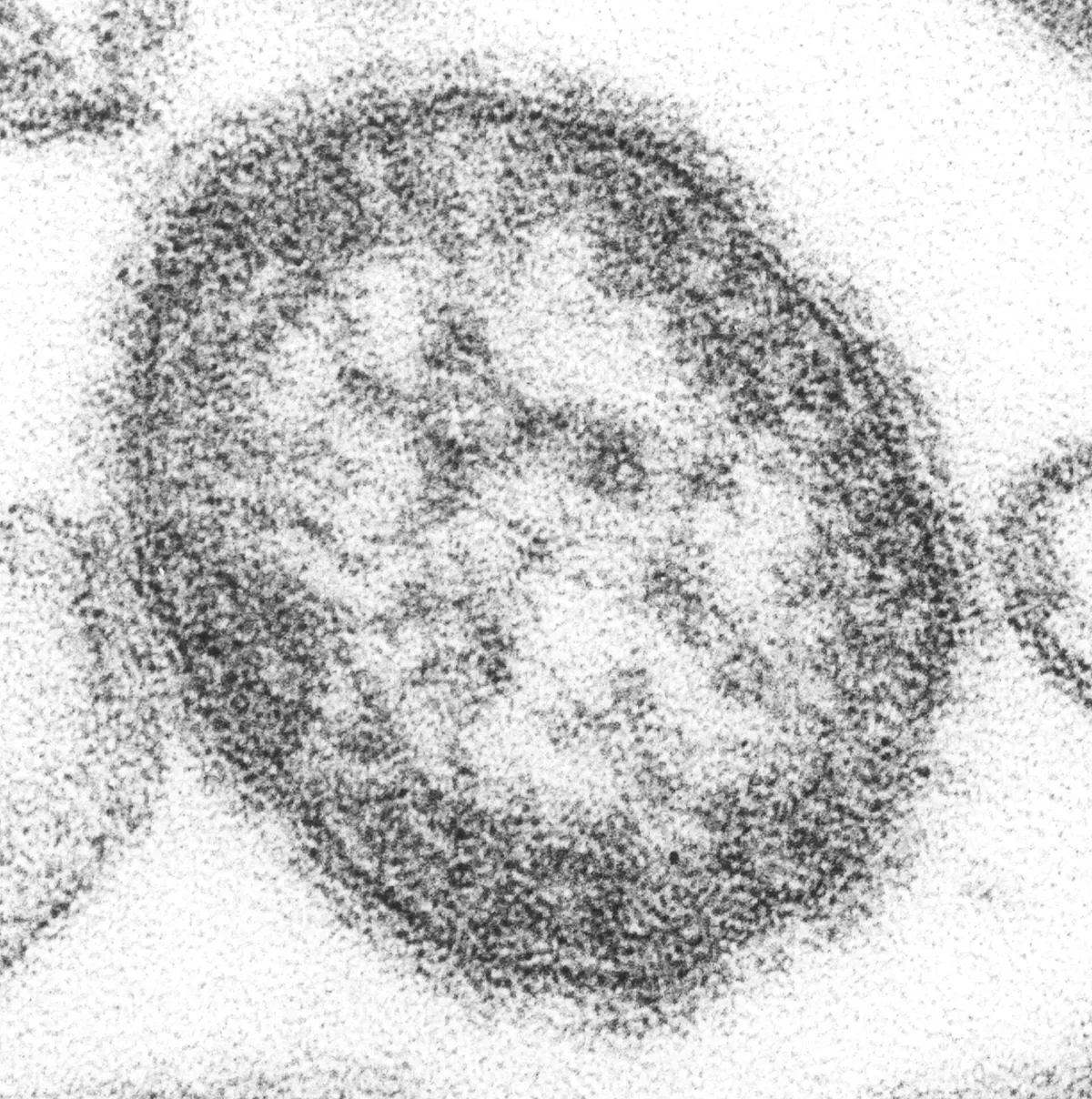
International health authorities have formally announced that the United States has lost its measles-elimination status, meaning the virus is once again endemic nationwide. As back-to-back fatalities are reported in states like Pennsylvania and Wisconsin, the national death toll has reached 14.
With nearly 6,000 cases recorded across 47 states and jurisdictions this year, the country is facing its highest count since 1991. Public health experts warn that sliding vaccination rates and widespread transmission have left millions of unprotected people at risk.
What happened
Transmission has been driven by 43 distinct outbreaks this year, accounting for 96 percent of all cases nationwide. Nearly 650 people have required hospitalization. Pennsylvania leads the nation with 1,638 cases as of November 23, though its epidemic curve appears to be past its peak. Meanwhile, Wisconsin is dealing with an active surge, bringing its state total to 920 cases, including 88 reported since November 20. Back-to-back fatalities have accelerated public concern: Pennsylvania announced its ninth confirmed death on November 23 in an unvaccinated resident of Centre County, while Wisconsin reported its third measles death on November 24 involving an adult in Lafayette County, following earlier deaths of an infant and a child in the state. Additional infant and child deaths have been documented in New York and Virginia.
Why it matters
Measles is the most contagious virus known to science, capable of lingering in the air for up to two hours and infecting up to 90 percent of exposed non-immune individuals. While typical symptoms include a high fever, cough, runny nose, watery eyes, and a distinct rash, severe complications can lead to pneumonia and brain swelling that causes permanent hearing loss or intellectual disabilities. Pregnant individuals face risks of premature birth, low birth weight, and congenital measles. Furthermore, survivors face a phenomenon known as immune amnesia, where the virus destroys up to 73 percent of memory immune cells, effectively wiping the body's molecular record of past infections and leaving individuals vulnerable to other diseases. A rare and fatal neurological complication known as subacute sclerosing panencephalitis can also strike years after apparent recovery.
The background
Measles was declared eliminated in the United States in 2000, meaning continuous transmission had been stopped for more than 12 months. Maintaining this status requires a community vaccination rate of 95 percent or higher for the measles, mumps, and rubella vaccine to achieve herd immunity. However, CDC data shows that national kindergarten vaccination coverage fell from 95.2 percent in the 2019-2020 school year to 92.4 percent in the 2025-2026 school year, with only 10 states meeting the 95 percent threshold. Research published in 2026 indicates that vaccine hesitancy is fueled by safety concerns, institutional distrust, and misinformation, with studies linking hesitancy to specific media consumption habits and alternative health influencers.
What happens next
Health departments continue to monitor active outbreaks, particularly in states like Wisconsin where transmission remains high. It remains unconfirmed how long it will take for vaccination rates to recover or what additional measures federal and state health agencies will implement to stop the spread.
Key takeaways
- The national tally of measles cases is nearing 6,000 for the year, marking the highest count since 1991.
- Fourteen people have died nationwide, with recent fatalities reported in Pennsylvania and Wisconsin.
- Only 92.4 percent of US kindergartners were vaccinated with the MMR vaccine in the 2025-2026 school year, falling short of the 95 percent herd immunity threshold.
- Measles causes immune amnesia, erasing up to 73 percent of a person's antibody repertoire and leaving them vulnerable to other infections.