
TP-Link, a major provider of wireless routers for American homes and small businesses, remains blocked from selling its newest devices in the United States. While competitors have secured waivers, the company has struggled to win approval under a sweeping federal restriction. The situation highlights ongoing tensions over foreign-supplied technology and the opaque nature of federal waiver reviews. ## What happened In March 2026, the Trump administration imposed a sweeping ban on the import and sale of all new router models manufactured, assembled, designed, or developed outside the United States. Companies can apply for special permission to bypass this rule through a waiver-review process managed by the Federal Communications Commission alongside the Department of Defense and the Department of Homeland Security. Although routers approved prior to the ban remain legally available for purchase, TP-Link has been unable to obtain an exemption for its newly released Wi-Fi 8 routers. The company opened preorders for its first Wi-Fi 8 device, the Archer 8 Ultra, in September at a luxury price point equivalent to roughly $1,178, but it cannot be sold or imported in the US. TP-Link faces an uphill battle because of its historical roots as a Chinese company and lingering questions regarding whether its technology is vulnerable to foreign hacking campaigns or foreign control. In an effort to satisfy regulators, the company completed a formal organizational separation from its mainland Chinese counterpart and established its global headquarters in California in October 2024. TP-Link has also pledged to assemble all new routers within the United States. Despite these structural changes, the federal waiver process remains shrouded in secrecy. It is unclear whether officials apply consistent security criteria or grant exemptions based on other factors. By contrast, 26 waivers have been issued to other firms, including products from Netgear, Asus, Nokia, and devices tied to companies led by Trump allies Elon Musk and Jeff Bezos, such as SpaceX's Starlink and Amazon's Eero subsidiary. ## Why it matters The restrictions currently prevent American consumers and businesses from purchasing TP-Link's latest networking technology, such as luxury-tier Wi-Fi 8 routers. While the company's high-end initial offerings will likely have a limited immediate impact on the average buyer due to their steep pricing, the broader implications affect market competition and consumer choice. Lawmakers have also raised concerns about the fairness and clarity of the regulatory framework itself. House Commerce Committee Ranking Member Frank Pallone, Jr. and Chairman Brett Guthrie proposed legislation in September to limit the Federal Communications Commission's authority to blanket-ban entire categories of equipment and mandate greater transparency before adding new items to the restricted Covered List. ## The background TP-Link was founded in 1996 in China but later split into two distinct entities to separate its international operations from the mainland Chinese market. The US-based branch insists that the two companies share no affiliation, ownership, management, or operations despite their similar names. Congressional scrutiny intensified following a committee hearing last year where lawmakers questioned whether the brand's technology posed security risks. The Trump administration's broader push for on-shoring and reducing reliance on foreign technology forms the backdrop for the current router ban. ## What happens next It remains entirely unknown how long it will take for TP-Link to gain regulatory permission to sell its Wi-Fi 8 routers in the US, or if it will receive approval at all. Meanwhile, proposed legislation from congressional leaders aims to reform the underlying federal review process by requiring the government to notify Congress a week before adding new technologies to restricted lists and restricting additions to entities controlled by specific foreign adversaries like China, Russia, North Korea, or Iran. ## Key takeaways - TP-Link remains unable to sell its latest Wi-Fi 8 routers in the United States following a sweeping ban on foreign-made consumer networking equipment. - The Trump administration requires router makers to obtain a conditional approval waiver through a secretive review process involving the FCC and defense departments. - While 26 waivers have been granted to competitors including Netgear, Asus, and Amazon-owned Eero, TP-Link has struggled to convince officials of its independence from foreign control. - Congressional leaders have proposed new legislation to rein in the FCC's authority and demand greater transparency regarding restricted foreign technology.
Technology
US denies TP-Link permission to sell latest Wi-Fi routers
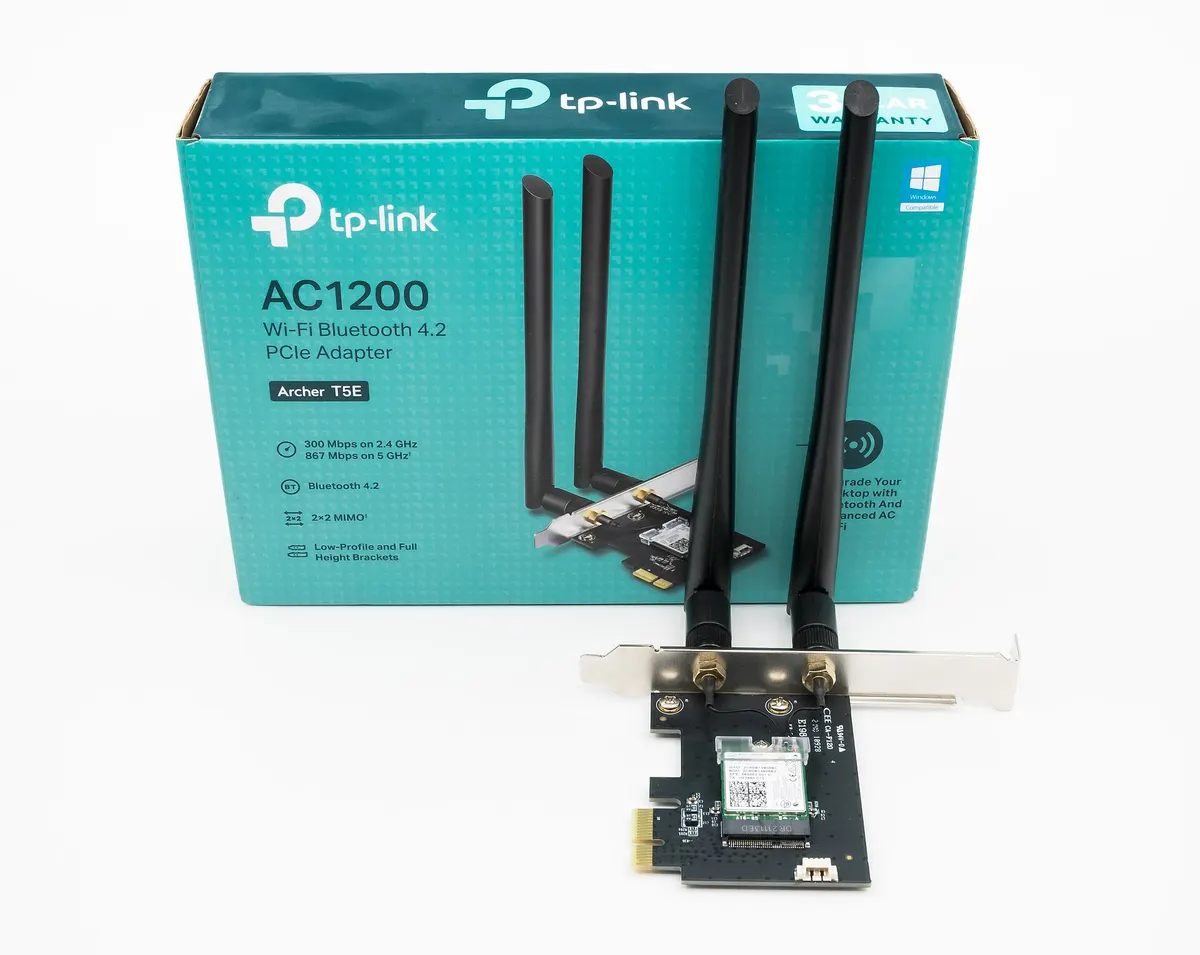
Photo: Jacek Halicki, CC BY-SA 4.0 / Wikimedia Commons
TP-Link has been unable to obtain an exemption from a US ban on foreign-made routers, blocking the sale of its new Wi-Fi 8 devices in the country.
Go deeper
Want more on this story? Our research assistant searches the latest reports across the web and explains what it finds, so you get the fuller picture in one place.