
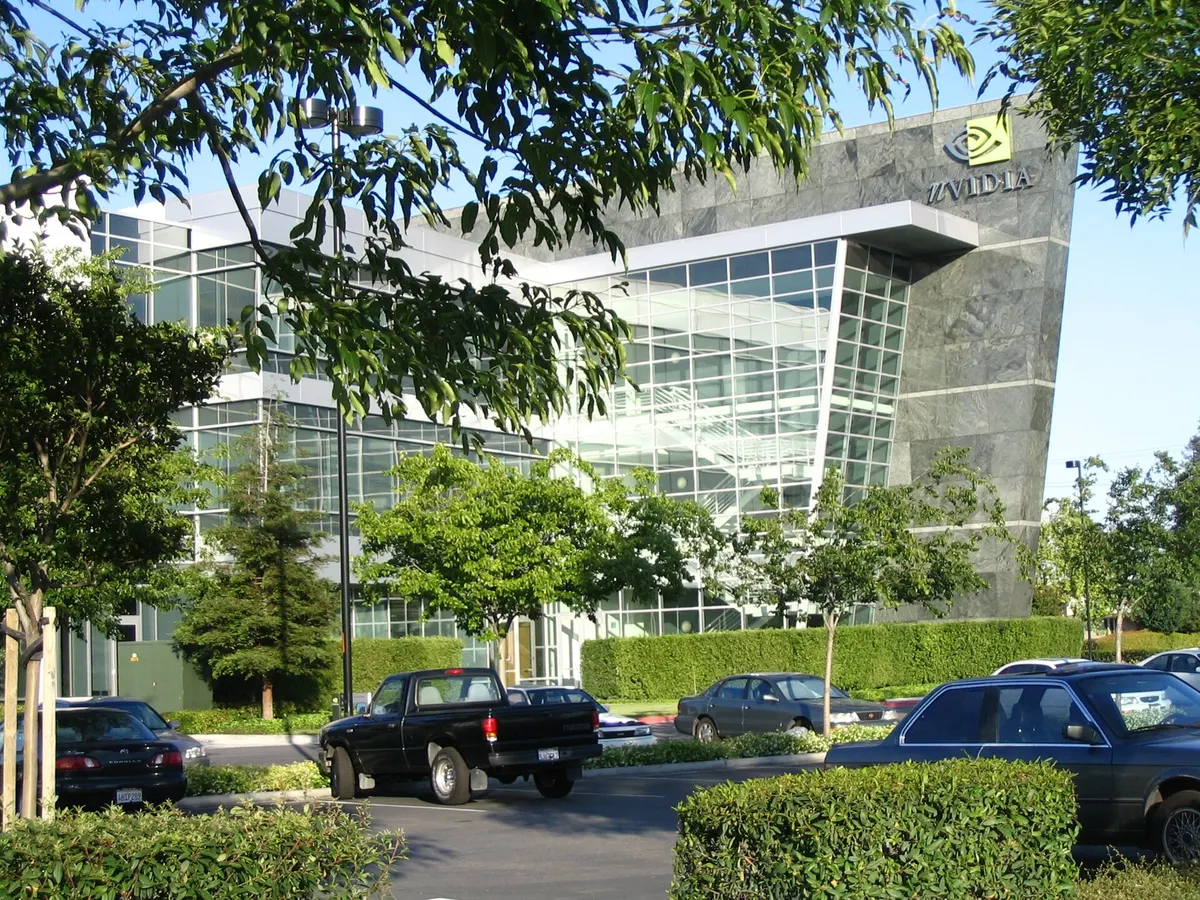
U.S. defense leaders considered invoking a Cold War-era law to force Nvidia to reinstate Jensen Huang as CEO following his resignation after an affair with a suspected Chinese spy. While the board eventually brought Huang back, reports reveal unusual high-level government intervention to secure his return.
The extraordinary pressure highlights the critical national security role Nvidia plays in advanced artificial intelligence. The Pentagon has disputed that the proposal was ever formally made by defense leadership.
What happened
Jensen Huang resigned as the CEO of Nvidia on November 12 after it was revealed he had engaged in extramarital affairs, including one with a woman whom U.S. intelligence suspected of being a Chinese spy. Just 11 days later, the company's board reinstated Huang, reminding the founder of the importance of candor and honesty moving forward.
Before his reinstatement, U.S. defense officials brainstormed ways to force his return. According to a report by The Washington Post, Defense Secretary Pete Hegseth and his senior deputy, Steve Feinberg, discussed utilizing the Defense Production Act of 1950. The emergency legislation allows the president to interfere with private companies, typically to compel manufacturing for military needs during wartime.
While the 1950 law does not explicitly grant the power to appoint a corporate chief executive officer, officials discussed using it to force Nvidia to shift production toward military projects. Such a move would have severely limited commercial sales, reduced profits, and heavily impacted the company's share price and production plans, effectively pressuring the board to capitulate.
President Donald Trump also intervened directly, admitting he called into an Nvidia board meeting to pressure members to bring Huang back. Trump and Vice President JD Vance both worked to persuade the board, while the Pentagon formally pushed back on the report, stating that the conversations described between defense leaders never took place and no such proposal was ever made.
Why it matters
The episode demonstrates the immense strategic importance of technology companies in modern geopolitical competition. Nvidia manufactures advanced artificial intelligence chips that the United States military views as vital to national security and the ongoing technological race with China.
Government intervention into corporate governance at this level is highly unusual. The willingness of top administration officials to consider emergency powers to influence private leadership positions underlines how deeply intertwined private microchip manufacturing has become with American defense capabilities.
The background
Nvidia, led by Jensen Huang since 1993, has grown into a dominant force in the global technology sector, driving the hardware boom behind modern artificial intelligence systems. The Defense Production Act of 1950 is a Korean War-era statute that grants broad federal authority over domestic industrial production. It was prominently used during the COVID-19 pandemic in 2020 to order General Motors to manufacture medical ventilators.
What happens next
Huang has returned to his position at Nvidia, but legal and political scrutiny remains. He still faces potential questioning from China congressional and Senate Banking committees regarding the security implications of his personal conduct. President Trump has acknowledged that a presidential pardon for Huang is "always an option" should the executive face legal jeopardy, though it remains unclear whether any formal charges will materialize.
Key takeaways
- U.S. defense leaders considered using the 1950 Defense Production Act to pressure Nvidia into reinstating Jensen Huang as CEO.
- The Pentagon has disputed the report, stating that Defense Secretary Pete Hegseth and his deputy never made such a proposal.
- President Donald Trump and Vice President JD Vance both actively pressured Nvidia's board to bring Huang back following his November resignation.
- Nvidia's advanced artificial intelligence chips are viewed by the U.S. military as vital to national security.
- Huang still faces potential questioning from congressional committees regarding his ties to a suspected Chinese spy.