
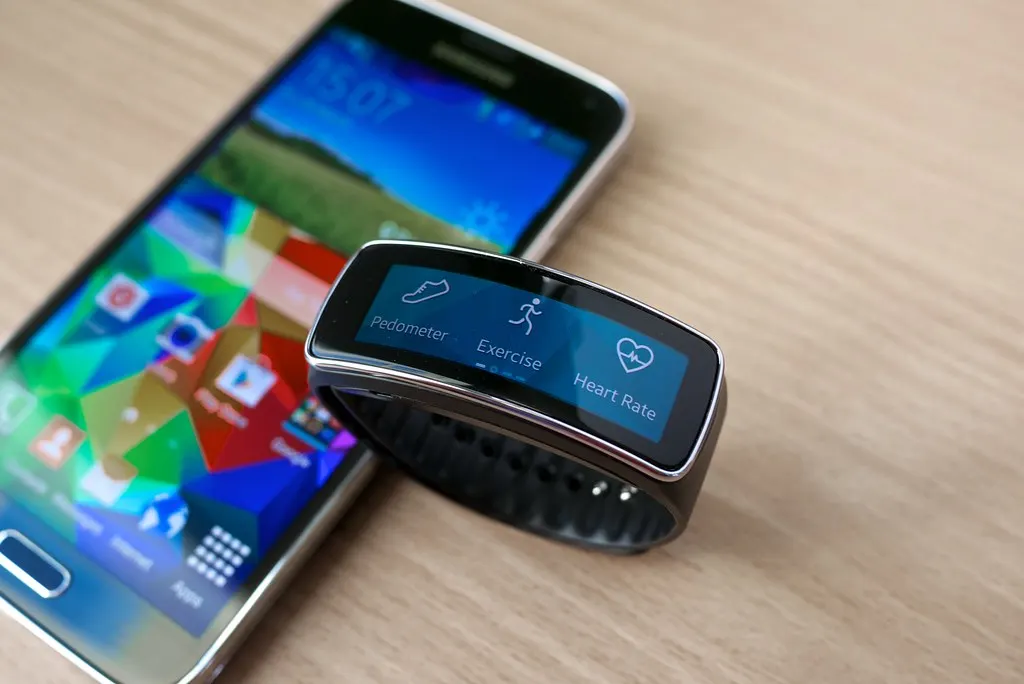
Samsung is expanding software updates to bring advanced health and fitness features from its newer smartwatches to older devices. Users of previous generations will now have access to tools originally launched with the Galaxy Watch 9.
This move allows existing owners to receive new capabilities without purchasing upgraded hardware. The rollout began with the One UI 9 Watch update in mid-November.
What happened
Samsung has detailed six health and fitness upgrades originally introduced with the Galaxy Watch 9 and Watch Ultra 2 that are coming to the Galaxy Watch 8 and Watch 8 Classic. The features are part of the stable One UI 9 Watch software rollout that began in mid-November.
The updates include Vitals, which tracks five overnight health metrics including heart rate, skin temperature, and blood oxygen to flag unusual changes. Vitals requires at least seven nights of sleep data to work. Heart Health Score combines everyday sleeping and exercising habits into a single metric to help users monitor their heart over time, requiring a full 24 hours of wear to set up.
For fitness tracking, Daily Cardio Load measures the strain workouts and daily movement put on the heart and suggests a target range. Fitness Index pulls several metrics into an overview and recommends exercises based on goals. Both Daily Cardio Load and Fitness Index also support the Galaxy Watch 7 running One UI 9 Watch.
Sleep Coaching now requires just three nights of data within two weeks to offer personalized guidance, with advice adapting weekly. This improved coaching experience extends as far back as the Galaxy Watch 4. Enhanced sleep apnea detection is also reaching the Watch 8 series, sorting breathing disruptions into minimal, occasional, and frequent levels. The sleep apnea feature received U.S. FDA clearance in July 2026 and approval from South Korea's Ministry of Food and Drug Safety in October, though it is limited to users 18 and older and excludes those already diagnosed with the condition.
Why it matters
Galaxy Watch owners benefit directly because they can access high-end health tracking capabilities without buying new hardware. Bringing these features to existing models gives current users fewer reasons to spend money on a replacement smartwatch. Some features require separate updates to Samsung Health or Samsung Health Monitor, and availability may vary by region.
The background
Samsung produces popular wearable devices including the Galaxy Watch series, Galaxy Ring, and smartphone companions running the Android-based software ecosystem. The company traditionally releases a new smartwatch model every year, but reports indicate it could break this tradition as early as 2027 by shifting focus toward software updates and health features for existing hardware.
What happens next
Samsung continues to roll out the One UI 9 Watch software to compatible devices, though full availability depends on regional updates and separate Samsung Health applications. It remains unconfirmed whether Samsung will officially skip its 2027 smartwatch hardware launch in favor of software-led device support.
Key takeaways
- Samsung is bringing six Galaxy Watch 9 health features to the Galaxy Watch 8 series via the One UI 9 Watch software update.
- The update includes Vitals, Heart Health Score, Daily Cardio Load, Fitness Index, improved Sleep Coaching, and enhanced sleep apnea detection.
- Select features extend to older hardware, with Daily Cardio Load and Fitness Index supporting the Galaxy Watch 7 and Sleep Coaching reaching back to the Galaxy Watch 4.
- The enhanced sleep apnea feature uses an AI algorithm to categorize breathing disruptions and received regulatory approvals in the United States and South Korea.