
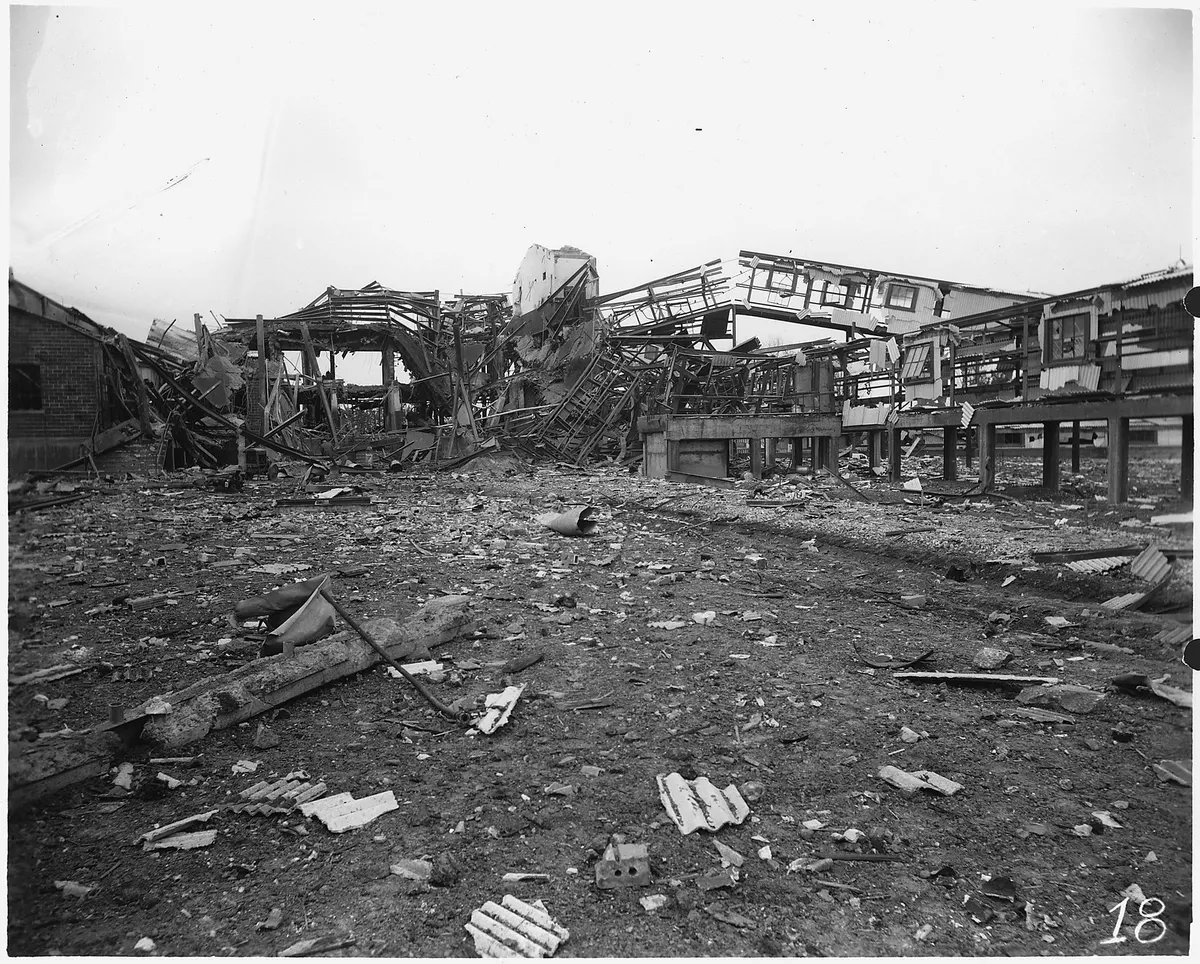
A federal appeals court has cleared the way for the US Army to proceed with the controlled detonation of nearly five tons of degraded bomb-making material at an ammunition plant in southeastern Iowa. The decision came on a Monday evening following a flurry of legal challenges and conflicting directives from political leaders over public safety.
The ruling by a three-judge panel on the Eighth Circuit US Court of Appeals allows the military to move forward with plans to destroy 68 barrels of lead azide. The operation had faced intense scrutiny from local residents, environmental groups, and officials across state lines due to the severe risks of toxic dust dispersion.
What happened
The crisis centers on the Iowa Army Ammunition Plant located in Middletown, a small town of nearly 400 residents. The facility holds 68 barrels containing nearly 9,500lb of lead azide, an explosive compound made of lead and nitrogen used primarily in detonators and blasting caps. The material has become increasingly unstable because blast doors to the bunkers containing the compound were removed and could not be replaced.
The army initially scheduled a detonation for November 20 but delayed the date three times following an outpouring of public concern. In a court filing, the US Department of Justice notified the appeals court that the army needed to invoke an emergency exception because falling temperatures below 30 degrees created an immediate risk that the lead would spontaneously explode. Environmental groups, including the Iowa Environmental Council and the Sierra Club’s Iowa chapter, challenged the move in court, arguing the EPA had skipped necessary permitting steps.
A lower court put an administrative stay on the permit, but the Eighth Circuit appeals court ultimately dissolved the block. The three-judge panel ruled that the US Environmental Protection Agency had adequately incorporated safeguards in an emergency permit, including barriers, weather restrictions, advance public notifications, and environmental monitoring. The Army planned to cover the barrels with earth and surround them with sand two stories high.
Before the appeals court ruling, President Donald Trump posted on Truth Social that he had ordered the military to delay a planned Wednesday detonation until the court signed off and until incoming Iowa Governor-Elect Rob Sand agreed to the operation. Trump stated he would hold the incoming governor responsible for any destruction if the situation festered and led to an uncontrolled explosion. Sand responded by calling on the federal government to provide total transparency to Middletown residents.
Why it matters
The operation carries significant public health and environmental risks for communities in Iowa and neighboring Illinois. The army previously warned that a blast could release a plume of toxic lead dust extending up to 100 miles northeast, potentially reaching cities such as Wapello and New Boston, Illinois. Illinois Governor JB Pritzker strongly criticized the army's plan, calling it a looming environmental disaster.
While federal officials and the appeals court argue that a controlled detonation is far safer than allowing the volatile chemical to explode spontaneously, local residents and regional officials have expressed profound frustration over inadequate advance notice and a lack of clear communication. Senator Chuck Grassley echoed calls for increased transparency, emphasizing that Iowans need to plan accordingly.
The background
Lead azide is a highly sensitive primary explosive that deteriorates over time, becoming more volatile and susceptible to friction, shock, or temperature drops. The material at the center of the dispute has been stored at the Iowa Army Ammunition Plant for years, representing a long-term infrastructure challenge for the military.
The legal dispute escalated rapidly when environmental organizations sued on November 19 to halt the explosive disposal. The federal government argued that emergency measures were vital because the degraded state of the chemical combined with winter temperatures created an urgent hazard that outweighed standard administrative review timelines.
What happens next
Following the appeals court order, a definitive timeline for the detonation remains unclear. The Army did not immediately comment on the president's social media post regarding gubernatorial consent, and no new date for the explosion has been officially announced.
Key takeaways
- A federal appeals court cleared the US Army to detonate nearly five tons of unstable lead azide at an Iowa ammunition plant.
- The legal battle was triggered when environmental groups challenged an emergency EPA permit for the controlled explosion.
- The army warned that the degraded explosive material posed an immediate risk of spontaneous detonation as temperatures dropped.
- Officials from Iowa and Illinois raised serious concerns regarding the potential release of toxic lead dust plumes over a 100-mile radius.