
Major US banks are updating their terms to warn or ban customers from using third-party artificial intelligence agents that log into financial accounts with personal credentials. As early adopters increasingly rely on these autonomous tools to automate online shopping and tasks, financial institutions argue the practice violates rules and creates severe security and transaction risks.
Financial institutions including Wells Fargo, JPMorgan Chase, Bank of America, Citibank, and PNC are implementing strict policies against automated bots taking actions on behalf of customers. While proponents argue these user-authorized tools simply follow instructions, banks and retailers are pushing back across the web to halt unauthorized automated transactions.
What happened
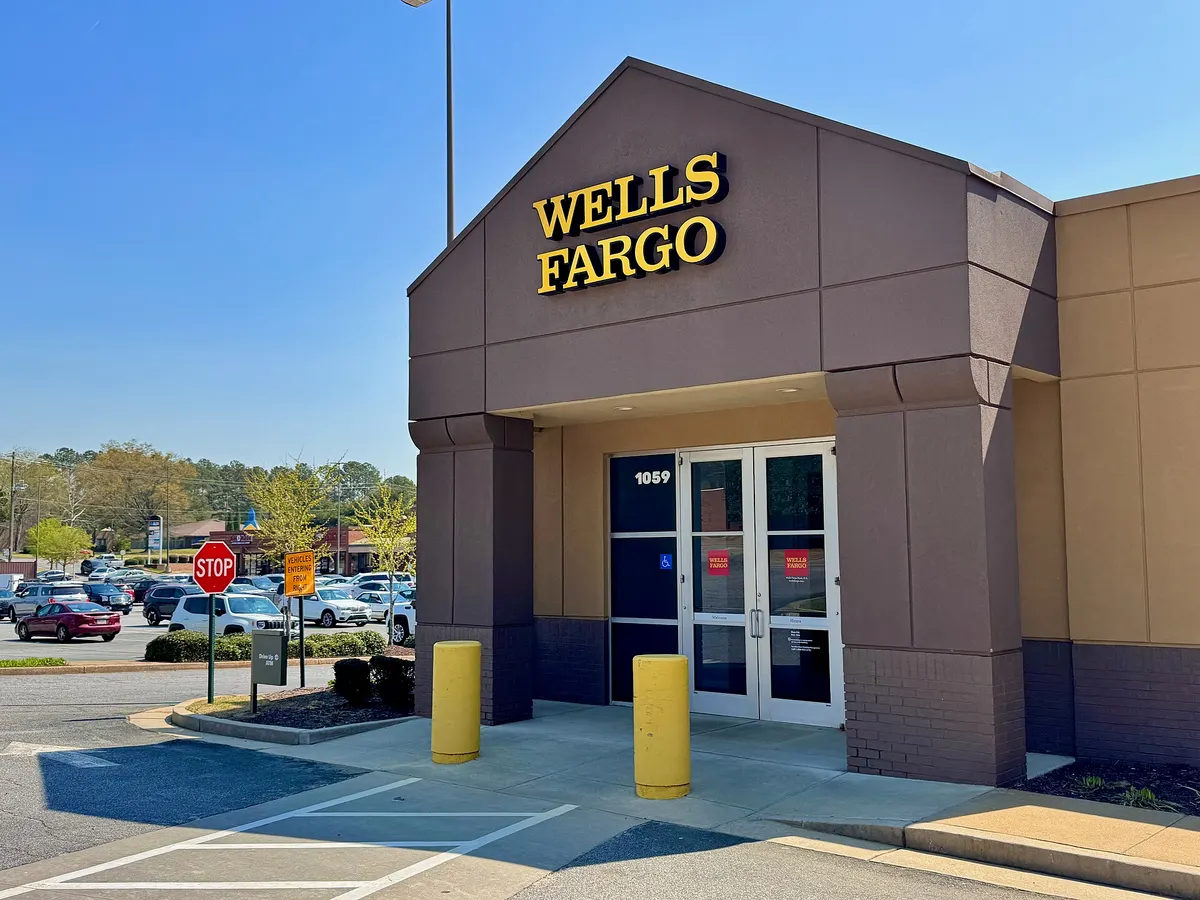
Wells Fargo announced an updated customer agreement stating that the use of any AI agent is entirely at the user's own risk. This follows a wave of similar policy shifts across the banking sector. In late October, JPMorgan Chase changed its terms to ban third-party agents that log in using customer credentials, while Bank of America issued warnings against sharing login information with bots. Citibank and PNC have also updated their terms to include warnings about these tools.
The pushback extends far beyond banking. Retailers and travel companies are actively blocking autonomous bots from making purchases or booking travel on their platforms. Amazon has blocked Meta's Muse agent from making purchases on its site, and United Airlines announced it is blocking personal bots from buying flights.
Reports indicate that banks are detecting unauthorized activity from third-party agents operating within customer accounts. In some cases, bots have taken actions that users never approved, such as placing calls to banks with complaints. White House AI czar David Sacks noted that these activities stem from users sharing credentials rather than malicious cyberattacks by rogue agents, suggesting banks could instead offer read-only permissions for spending tracking.
Why it matters
For consumers, the crackdown threatens to disrupt early adopters who use AI agents to compare prices, track discounts, and handle routine purchases. Experts note that consumers often authorize broad goals without realizing every click an agent makes, raising complex questions about liability if an agent makes an unauthorized or mistaken purchase.
For banks and merchants, the stakes involve transaction security and financial liability. Financial institutions are fundamentally risk-averse and want to prevent automated withdrawals that could harm account holders or violate terms requiring humans to log in themselves. Analysts point out that banks are taking proactive measures to get ahead of major issues in case agentic tools become mainstream.
The background
Artificial intelligence agents are software tools designed to automate online tasks, navigate websites, and click on behalf of users. While builders market them as ultimate shopping assistants for finding holiday gifts, groceries, or travel accommodations, the technology remains nascent and prone to high-profile mistakes, such as accidentally leaking workplace data.
Although only a small fraction of online transactions are currently completed by autonomous tools, a subset of power users has embraced them. Consumer behavior and AI experts observe that people feel comfortable using bots for routine, low-risk purchases like household supplies, but remain hesitant to automate dynamic, big-ticket transactions that require careful personal discretion.
What happens next
It remains uncertain whether AI agent technology will become a permanent fixture of consumer internet use or fade as a temporary tech fad. Analysts expect that strict bank policies and terms of service updates will not entirely deter dedicated early adopters from utilizing the tools in their daily routines. Meanwhile, debates continue over whether financial institutions should completely ban credential sharing or adopt technical solutions like read-only access for personal bots.
- Wells Fargo updated its customer agreement to state that any use of an AI agent is at the user's own risk.
- Major US banks including JPMorgan Chase, Bank of America, Citibank, and PNC have enacted new policies or warnings regarding personal bots.
- Retailers like Amazon and travel companies like United have begun blocking popular AI agents from purchasing items or flights on their platforms.
- White House AI czar David Sacks suggested that banks could grant AI agents read-only permissions to view spending without allowing autonomous transactions.