
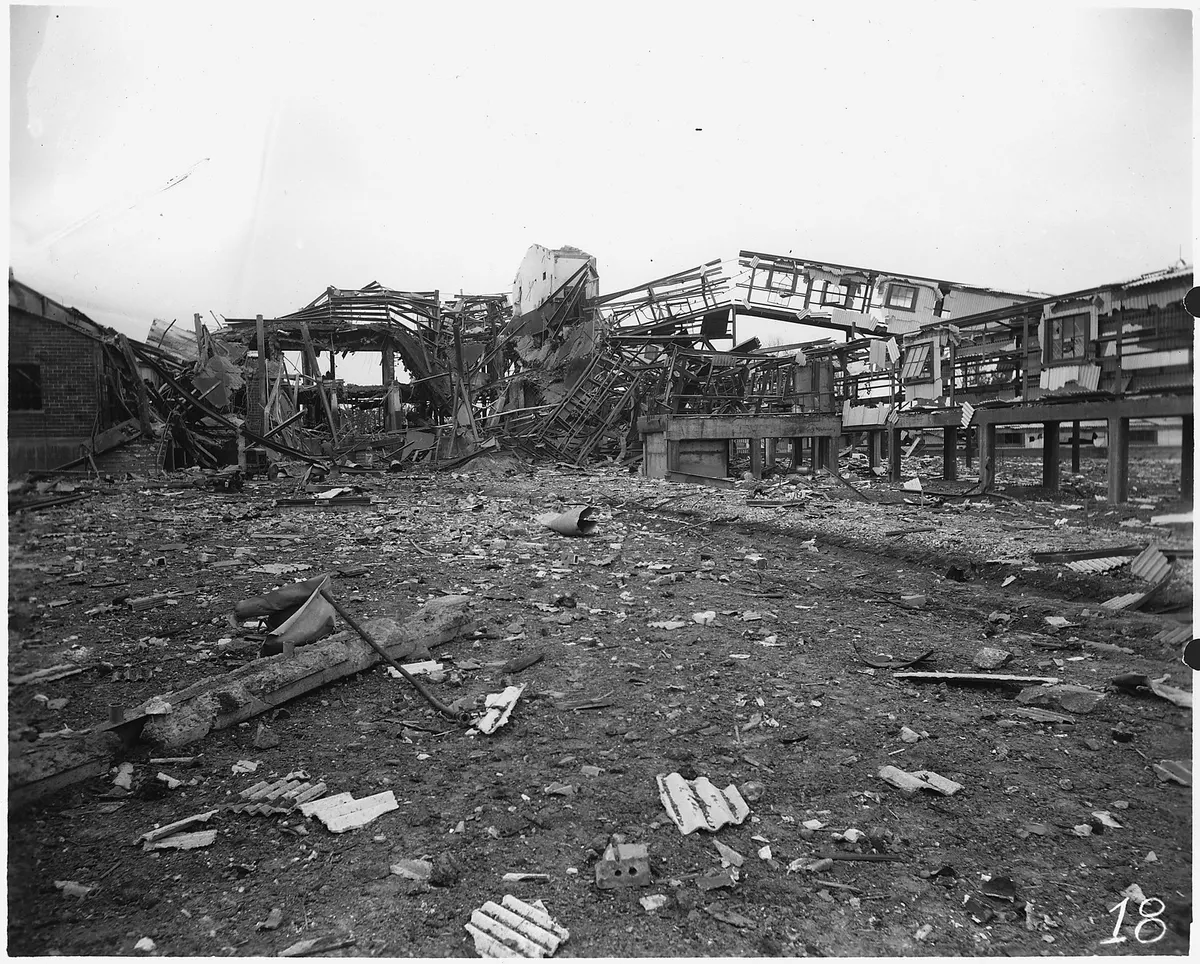
The US Army is set to detonate 68 barrels containing five tons of degraded lead azide at the Iowa Army Ammunition Plant in Middletown, Iowa. The controlled explosion is scheduled for Wednesday morning, just one day before Thanksgiving.
Army leadership states that the detonation is urgently required because the unstable chemicals could otherwise spontaneously explode as temperatures cool. The operation has drawn criticism from local residents and state officials over communication failures and potential risks from a toxic dust plume.
What happened
The operation involves the controlled destruction of 68 barrels of lead azide, a primary explosive used in detonators, stored at the Iowa Army Ammunition Plant. The blast is scheduled for Wednesday morning at 10am ET, following changes to the date due to legal challenges and shifting weather patterns.
Army Maj Gen Eric Shirley, commander of the operation, stated that inaction was no longer an option and that a controlled detonation was far preferable to an uncontrolled spontaneous explosion. Federal officials implemented mitigation measures, including building barriers around the blast zone, applying ballistic gels and foams to absorb dust, and dousing the materials with thousands of gallons of water.
Environmental groups previously sued to stop the detonation, arguing that proper Environmental Protection Agency permits were not correctly issued. However, a federal appeals court cleared the path for the operation to proceed under an emergency provision.
Why it matters
The planned explosion creates potential hazards for residents in southeastern Iowa and northern Missouri. The army released maps showing a projected dust plume path moving southwest of the plant, prompting an emergency cellphone notification warning people within 5 miles to prepare for possible evacuations.
Additionally, an imminent threat alert advised individuals living up to 20 miles away to remain indoors with windows closed to avoid airborne lead dust, noise, and vibration. The American Lung Association advised people to stay indoors for up to 48 hours, disrupting holiday travel plans for thousands of residents.
Outgoing Iowa Governor Kim Reynolds issued a disaster emergency proclamation for Des Moines, Lee, and Van Buren counties, deploying up to 100 national guard soldiers to support public safety. Local residents expressed frustration and fear regarding transparency and health risks associated with lead exposure.
The background
Lead azide is a chemical compound used as a detonator for larger explosives. The material at the center of the operation had degraded over time, making it increasingly unstable.
Federal officials stated that freezing temperatures in the Midwest could fracture the aging munitions, creating a severe risk of an accidental chain-reaction explosion. The Iowa Army Ammunition Plant, located in Middletown, has historically served as a military manufacturing and storage facility.
What happens next
The army plans to execute the controlled detonation on Wednesday morning, relying on favorable weather conditions designed to protect public health across the region. Officials will monitor the blast site and surrounding areas for dust mitigation and public safety.
Elected officials, including incoming state lawmakers, have vowed to continue asking questions about transparency and communication failures surrounding the emergency operation once they take office in January.
Key takeaways
- The US Army is detonating 68 barrels containing five tons of degrading lead azide at an ammunition plant in Middletown, Iowa.
- Officials warned residents up to 20 miles away to stay indoors with windows closed to avoid airborne lead dust and vibrations.
- Environmental groups legally challenged the operation over permit concerns, but a federal appeals court cleared the way for the blast.
- Iowa Governor Kim Reynolds issued a disaster emergency proclamation and deployed up to 100 national guard soldiers to assist with public safety.