
Residents in south-east Iowa are preparing for a planned US army detonation of about 5 tons of unstable, degraded bomb-making chemicals. Officials have recommended that people in Middletown vacate the area ahead of Friday's blast or stay indoors with windows shut to avoid a potential toxic plume of lead-containing particles. While officials say the risks are minimized and the dust will linger for no more than an hour, the operation has sparked anxiety, last-minute school closures, and criticism over communication from authorities. ## What happened The US army is scheduled to detonate several dozen barrels of lead azide at the Iowa army ammunition plant on Friday. The material, which is toxic to humans and animals, has become unusable and is considered too volatile to move safely. Officials issued an advisory recommending that residents in Middletown begin vacating the area on Friday morning, or stay inside with doors and windows sealed. The detonation will create an air plume with lead particles that will disperse in the air and deposit on the ground. The army has released maps showing the potential drift of the lead dust, which will be updated based on weather conditions. Although the army anticipates that the resulting dust will linger for no more than one hour, the operation has caused disruptions across the region. Several schools in the path of the plume have canceled classes for Friday, including in the Danville community school district and Mediapolis. Some local facilities, such as the public library in Mediapolis, are also closing, and the local fire department plans to hose down playgrounds to remove potential lead particles. Environmental and public health officials in neighbouring Illinois have urged the US military to conduct comprehensive sampling in their state following the blasts. ## Why it matters The situation directly affects thousands of residents living in the projected path of the dust plume, who face temporary displacement, school closures, and potential exposure to toxic lead particles. Local communities have expressed frustration over the timing and lack of clear information regarding their potential exposure. For instance, municipal officials in Mediapolis were approached about soil, water, and air testing late last month but only learned they were in the initial exposure zone when the public advisory was issued. The incident highlights the challenges and risks associated with disposing of hazardous military materials stored near civilian populations, forcing local leaders to make difficult decisions about closures and safety precautions with limited notice. ## What the background The degraded material consists of lead azide, a volatile chemical compound used in munitions production. The barrels had been stored at the Iowa army ammunition plant for more than 20 years in earthen containers, kept stable in a bath of ethanol and water. The issue came to light in March when the ammunition plant paused operations as part of a review, leading to the discovery of the degraded material. The army provided further details during a public meeting in October, and the Environmental Protection Agency approved an emergency permit on 13 November, allowing the army to proceed with the detonation after meeting specific notification and dispersion-tracking requirements. ## What happens next Friday's detonation remains on schedule, with the army continuing to update its dispersion maps based on weather conditions. Officials have advised residents to clean their cars, windowsills, and outdoor surfaces after the blasts. Meanwhile, the full extent of the environmental spread remains uncertain, with environmental officials in Illinois pressing for comprehensive sampling in their state after the explosions take place. - The US army plans to detonate 5 tons of unstable lead azide at the Iowa army ammunition plant on Friday. - Officials recommend that residents in Middletown vacate the area or stay indoors with windows closed to avoid potential lead dust exposure. - Schools in Danville and Mediapolis have canceled classes for Friday due to uncertainties surrounding the path of the toxic plume. - The EPA approved an emergency permit for the operation, requiring the army to track dispersion rates and notify the public in advance.
World
US Army plans detonation of unstable chemicals in Iowa
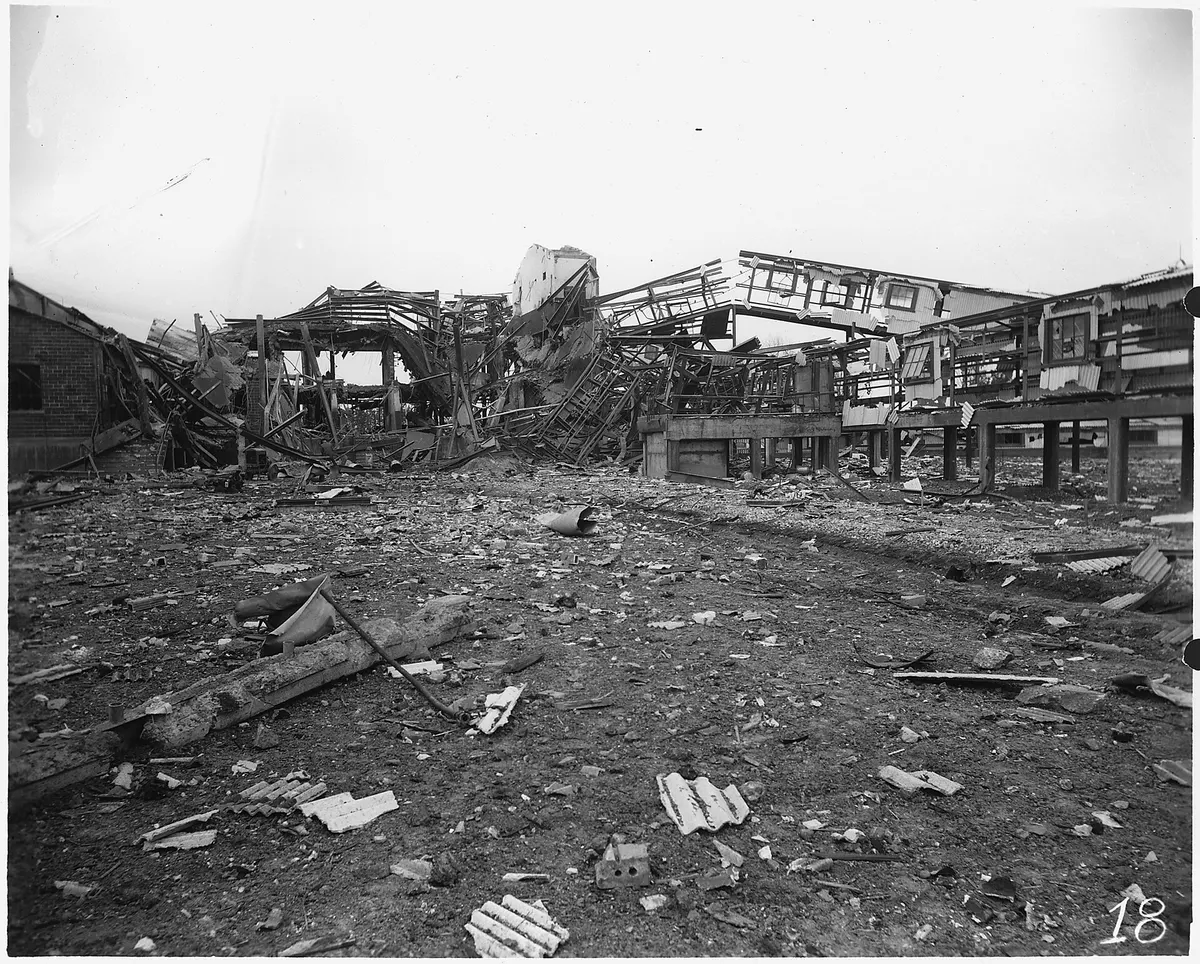
Photo: Unknown authorUnknown author or not provided, Public domain / Wikimedia Commons
The US army plans to detonate 5 tons of degraded bomb-making chemicals at an Iowa ammunition plant, prompting evacuations, school closures, and community concerns over a potential lead dust plume.
Go deeper
Want more on this story? Our research assistant searches the latest reports across the web and explains what it finds, so you get the fuller picture in one place.