
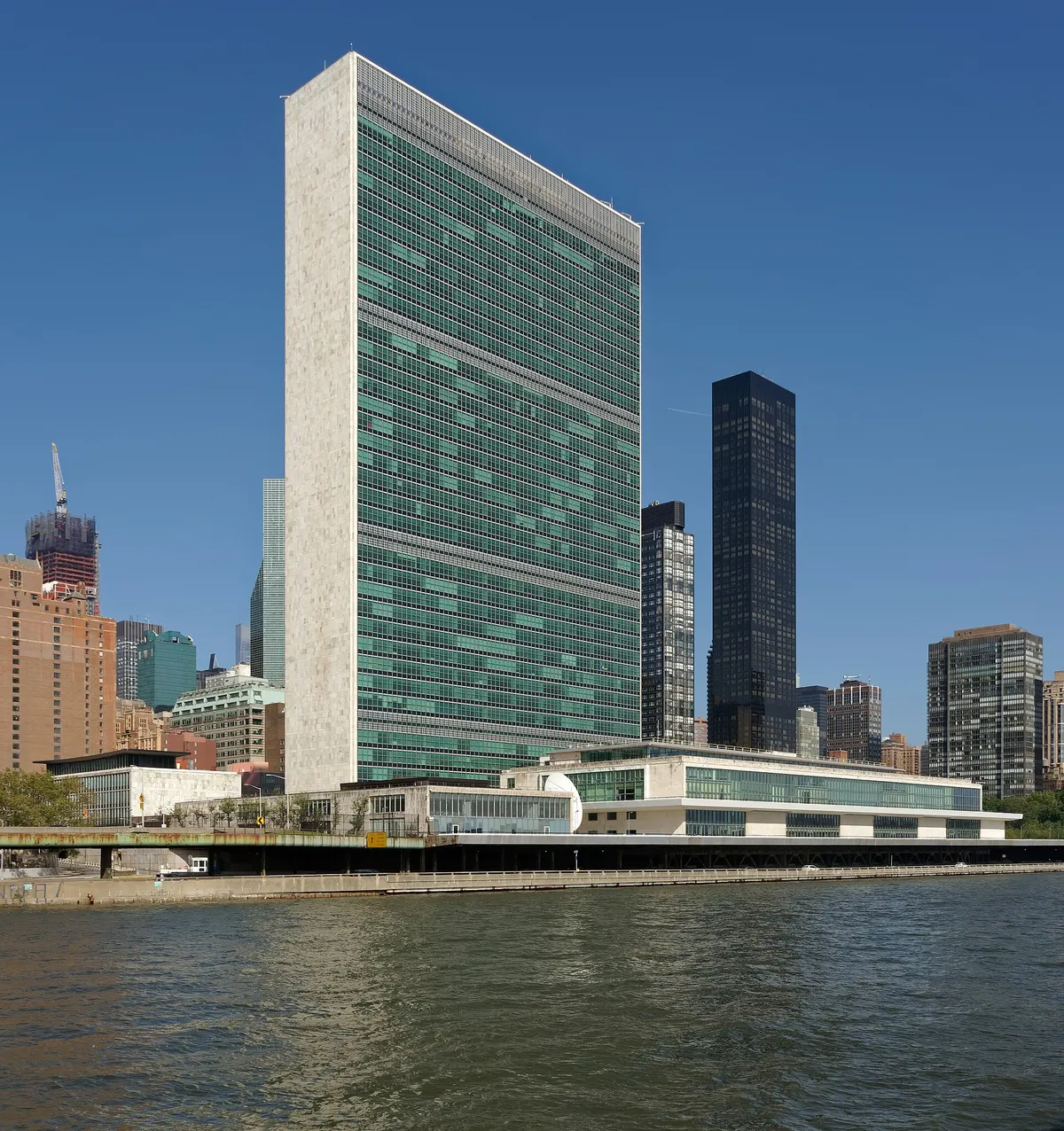
The United Nations human rights committee has issued a stern warning regarding the global misuse of national security and counter-terrorism laws to silence activists. The guidance arrives precisely as the UK's highest court weighs the lawfulness of proscribing the direct action group Palestine Action.
While the UN document does not explicitly name the group, committee officials acknowledged that events in the UK, alongside nations like China, Russia, and Israel, helped spur the new framework. The outcome of the UK supreme court case will determine whether the government can legally classify a direct action group under strict anti-terrorism statutes.
What happened
The UN human rights committee published its first comprehensive guidance on freedom of association on Thursday. The document sharply criticises vaguely worded domestic legislation that targets broad categories like "extremism" or "undesirable" organisations. Hélène Tigroudja, the committee's vice-chair, stated that legitimate state purposes—such as national security and fighting terrorism—are too often extensively misused by authorities to criminalise and silence human rights defenders, journalists, climate activists, and trade unionists.
The timing aligns with an ongoing legal battle in the UK. Palestine Action was banned last year under the UK Terrorism Act, making it the first direct action group to be designated alongside organisations like al-Qaida and Boko Haram. The ban has drawn sustained criticism from civil liberties groups, politicians, a former director of public prosecutions, and a former director of the security services.
Earlier this month, the UK supreme court heard a legal challenge against the proscription. Brought by Palestine Action co-founder Huda Ammori, the challenge argues that the ban disproportionately interferes with fundamental rights to freedom of speech and protest. Lawyers for the group argued its goal was simply to disrupt the supply of weapons from the UK to Israel during the Gaza conflict. The UN guidance explicitly notes that defending human rights, reporting violations, or advocating for accountability cannot be labelled as threats to public order.
Why it matters
The intersection of the UN warning and the UK supreme court case places core democratic freedoms at the centre of a legal debate. The use of counter-terrorism rhetoric against political movements exposes members to severe sanctions, including heavy fines, arrest, and detention. If domestic legislation permits governments to suppress political dissent by branding movements as terrorist organisations, the boundary between violent extremism and peaceful civil disobedience dissolves. For activists and human rights defenders globally, the precedent set in the UK courts will signal whether national security laws can be successfully deployed to curtail advocacy and direct action.
The background
Palestine Action is a direct action group formed to campaign against companies supplying military equipment to Israel. Its tactics have typically involved targeting manufacturing facilities and offices. Under the UK Terrorism Act, the government holds the power to proscribe an organisation if it believes the group is concerned in terrorism. Proscription makes belonging to, inviting support for, or displaying the group's articles a criminal offence carrying potential prison sentences. The United Nations human rights committee monitors state compliance with the International Covenant on Civil and Political Rights, periodically issuing authoritative interpretations known as general comments or guidance on treaty obligations.
What happens next
The UK supreme court is currently considering its decision on whether the ban on Palestine Action is lawful. Huda Ammori has stated that if the domestic courts fail to uphold fundamental freedoms, the legal team intends to take the case to the European court of human rights. The Home Office has been approached for comment regarding the UN guidance and the ongoing legal proceedings.
- The UN human rights committee warned against using vaguely defined counter-terrorism laws to criminalise activists and journalists.
- Palestine Action is the first direct action group to be banned under the UK Terrorism Act.
- The UK supreme court heard a legal challenge arguing the ban disproportionately restricts free speech and protest.
- Palestine Action co-founder Huda Ammori stated the group will appeal to the European court of human rights if domestic courts uphold the ban.