
England, Northern Ireland, Scotland and Wales are poised to stage the 2035 Women's World Cup in a joint bid that marks the first time the United Kingdom will host a football World Cup since 1966. A special virtual meeting of Fifa's Congress is set to ratify the co-hosts after a delegation presents at Fifa's Zurich headquarters.
The tournament will feature 48 teams contesting 104 matches over 39 days across all four nations. While the bid received a strong evaluation score of 4.3 out of five from Fifa, its contractual framework was labeled medium risk due to government guarantees lacking full agreement on tax-free status and security.
What happened
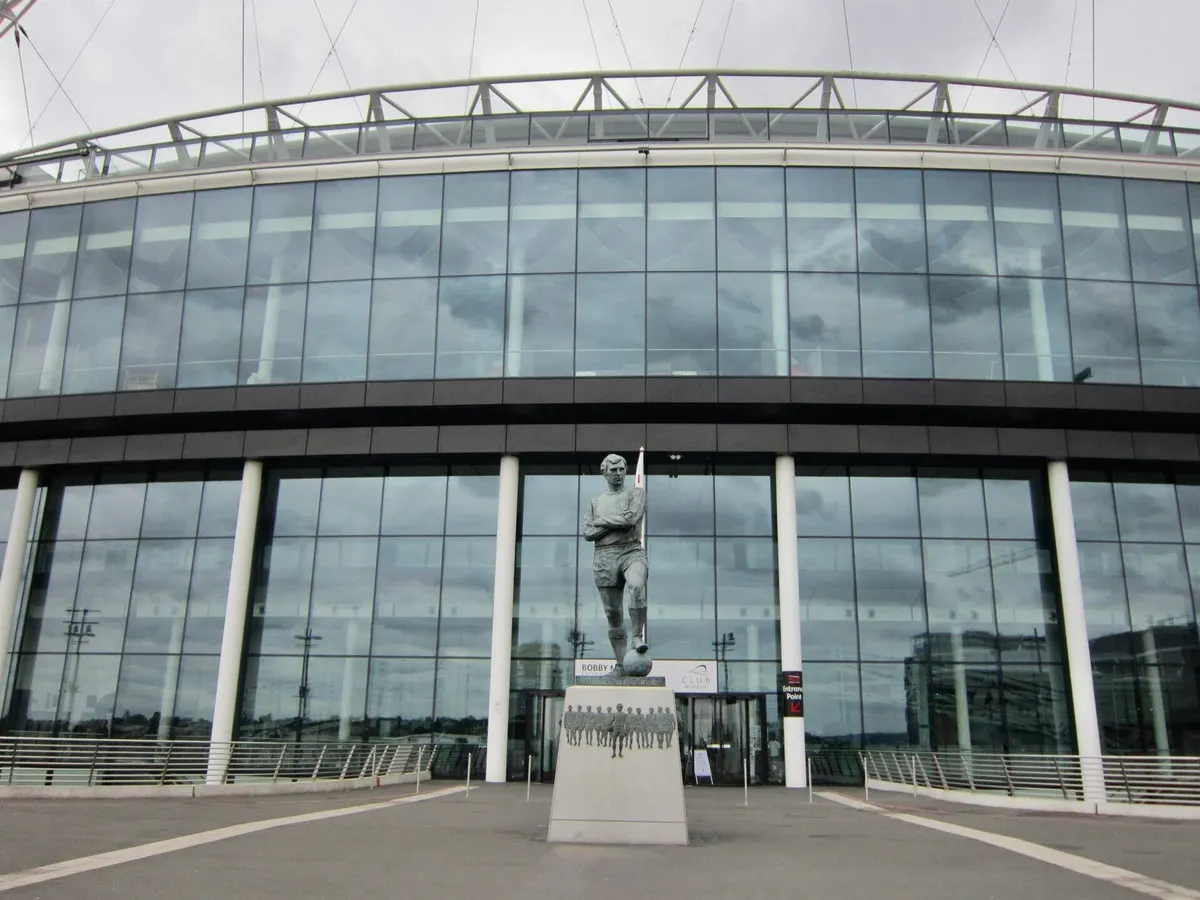
The 'All Together' bid submitted by the four football associations is the sole contender to stage the 2035 tournament, facing no opposing bids. The tournament proposes 19 initial venues distributed across the four regions, with 14 in England, one in Northern Ireland, two in Scotland and two in Wales. The English stadiums include iconic grounds such as Wembley, Old Trafford, Emirates Stadium and St James' Park. Northern Ireland plans to use a redeveloped Windsor Park, while Scotland proposes Easter Road and Hampden Park, and Wales relies on the Cardiff City Stadium and Principality Stadium. Organizers noted that an additional three stadiums could be added later: Birmingham's new Powerhouse Stadium, Wrexham's redeveloped Racecourse Ground, and a potential new Chelsea ground, which would expand the footprint to 16 cities and 22 venues. Fifa's evaluation published earlier in the month praised the extensive government support documents and proactive engagement from the bidders, despite pointing out qualifications regarding tax and security guarantees that remain subject to further discussion.
Why it matters
Hosting the tournament represents a massive cultural and economic milestone for women's football across the United Kingdom. Leaders of the four national associations emphasized that seeing elite international players on home soil will profoundly alter participation and engagement in clubs and schools. For Northern Ireland, securing matches at Windsor Park provides a major boost following the disappointment of missing out on co-hosting the men's Euro 2028 after funding issues halted the redevelopment of Casement Park. For Wales, which has a 150-year football history, hosting an event of this scale has never happened before. The investment tied to the tournament is expected to overhaul coaching, facilities, and player pathways, creating lasting generational benefits.
The background
Fifa's Women's World Cup has expanded over the decades, with the 2035 tournament marking an era of 48 competing teams playing 104 matches. England previously hosted the women's European Championship in 2022, a successful tournament famously won by the Lionesses that catalyzed unprecedented growth and demand for women's and girls' football in the country. In addition to the 2035 event, England, Scotland, Wales, and the Republic of Ireland are also joint hosts for the men's European Championship in 2028. The last time the UK hosted a men's World Cup was in 1966, when England hosted and won the tournament. Fifa's Congress is meeting virtually to approve the 2035 UK bid alongside a joint bid from Mexico, the United States, Costa Rica, and Jamaica to host the 2031 finals.
What happens next
Fifa is scheduled to officially confirm the UK bid on Monday following the virtual Congress vote and the in-person presentation by the bid delegation at Fifa's Zurich headquarters. Outstanding issues regarding government guarantees on tax and safety and security will be finalized through continued discussions between the bidder and Fifa. Organizers will also determine whether additional venues, such as Wrexham's redeveloped Racecourse Ground or a potential new Chelsea stadium, will be officially added to the final tournament lineup.
Key takeaways
- England, Northern Ireland, Scotland and Wales are the sole bidders to jointly stage the 2035 Women's World Cup.
- The tournament will involve 104 matches contested by 48 teams over 39 days across 19 proposed initial venues.
- Fifa's evaluation rated the bid 4.3 out of five while noting medium risk over government tax and security guarantees.
- The event marks the first time football's premier international tournament will be held in the United Kingdom since 1966.