
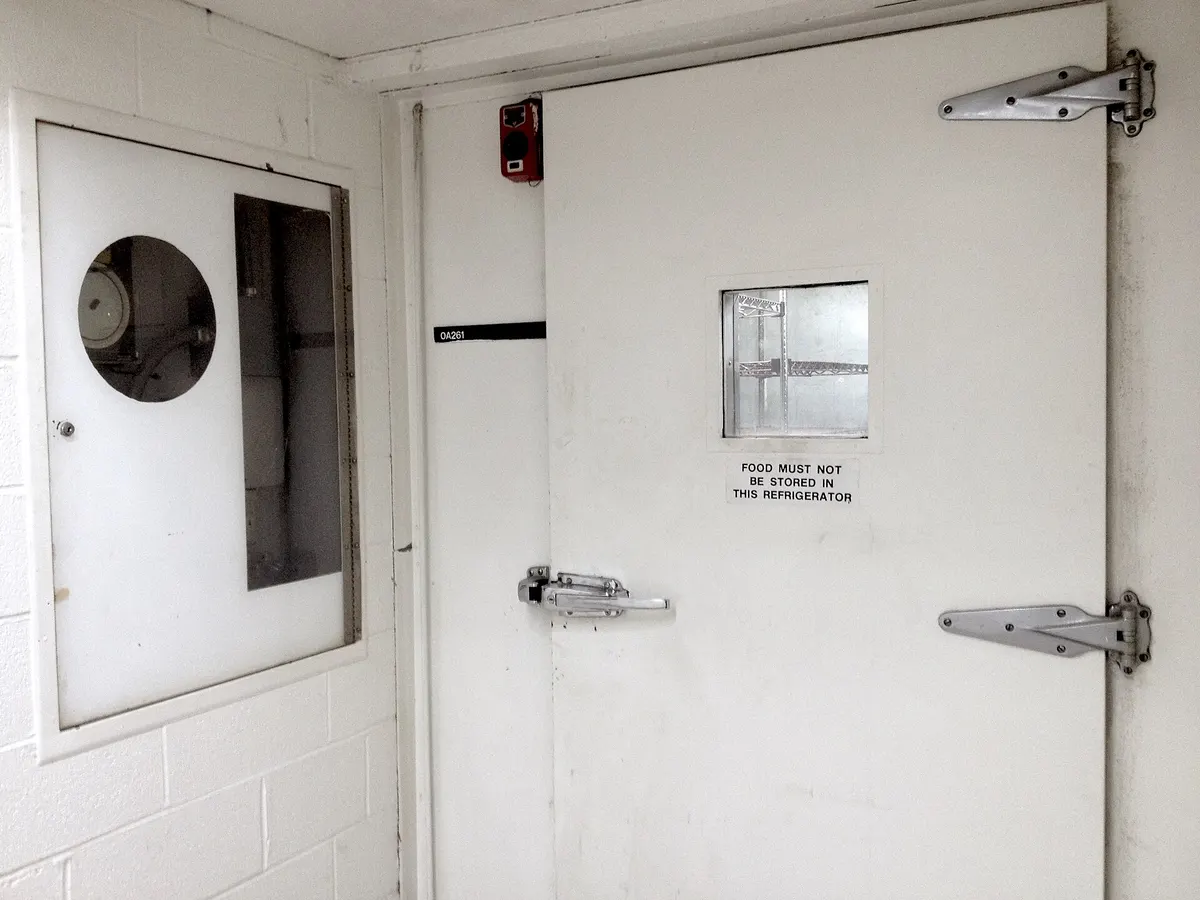
Authorities and security experts in the United Kingdom have quietly completed a nationwide operation to patch thousands of vulnerable refrigeration controllers. The emergency response was launched after researchers uncovered a security flaw that left commercial fridges exposed to potential cyberattacks.
While no malicious activity was detected during the patching process, the operation involved temporarily disconnecting devices from the internet to prevent catastrophic food spoilage. The vulnerability mirrors similar attacks seen across Europe, where hackers previously targeted commercial food storage and blood banks.
What happened
The issue was first identified in late October by refrigeration consultants Omega Solutions. They discovered a security authentication flaw in the most popular refrigeration controllers used across the U.K., which are manufactured by the British firm Resource Data Management, known as RDM. This discovery triggered a coordinated response involving the National Cyber Security Centre, the Department for Environment, Food & Rural Affairs, and the Food Standards Agency. As a precaution, authorities and supermarket IT workers scrambled to block thousands of devices controlling tens of thousands of fridges from accessing the internet. In some cases, workers physically isolated the equipment by pulling network cables. Warehouses, supermarkets, and other facilities across the country had their security hardened to protect millions of pounds worth of stored food.
Why it matters
The security flaw carried the potential for severe business interruption and major supply chain problems. Commercial warehouses contain millions of pounds worth of food that could have been completely spoiled if malicious hackers exploited the vulnerability. The incident highlights the growing physical risks associated with digital infrastructure, as everyday industrial machinery becomes increasingly connected to computer networks.
The background
Commercial refrigeration systems rely on digital controllers to monitor and maintain precise temperatures for perishable goods. British manufacturer Resource Data Management produces some of the most widely used units in the U.K. While RDM noted that exploiting its controllers would have required a specific piece of freely available hardware, the flaw shared conceptual similarities with vulnerabilities exploited in mainland Europe. Earlier in October, devastating cyberattacks hit France, Belgium, and other European countries, causing commercial fridges to reach 50 degrees Celsius and destroying critical food stocks and blood banks. Even a U.S. military base fell victim to the European wave of attacks. While France has blamed Iran for the continental attacks, the Iranian government has denied any involvement.
What happens next
Patching work across the United Kingdom has been carried out, and RDM has confirmed there was no sign of malicious activity on any of its controllers during the process. However, wider questions remain regarding the security of connected industrial machinery. Responsibility for the European attacks has still not been formally claimed by any group or government, leaving ongoing international security concerns unresolved.
Key takeaways
- Thousands of commercial refrigeration controllers across the UK were patched in a secret operation to prevent potential cyberattacks.
- Security researchers from Omega Solutions discovered the authentication flaw in late October in devices manufactured by British firm Resource Data Management.
- Authorities including the National Cyber Security Centre and the Food Standards Agency worked to block devices from the internet and physically isolate them with network cables.
- The emergency intervention prevented potential business disruption and the spoilage of millions of pounds worth of food stored in supermarkets and warehouses.