
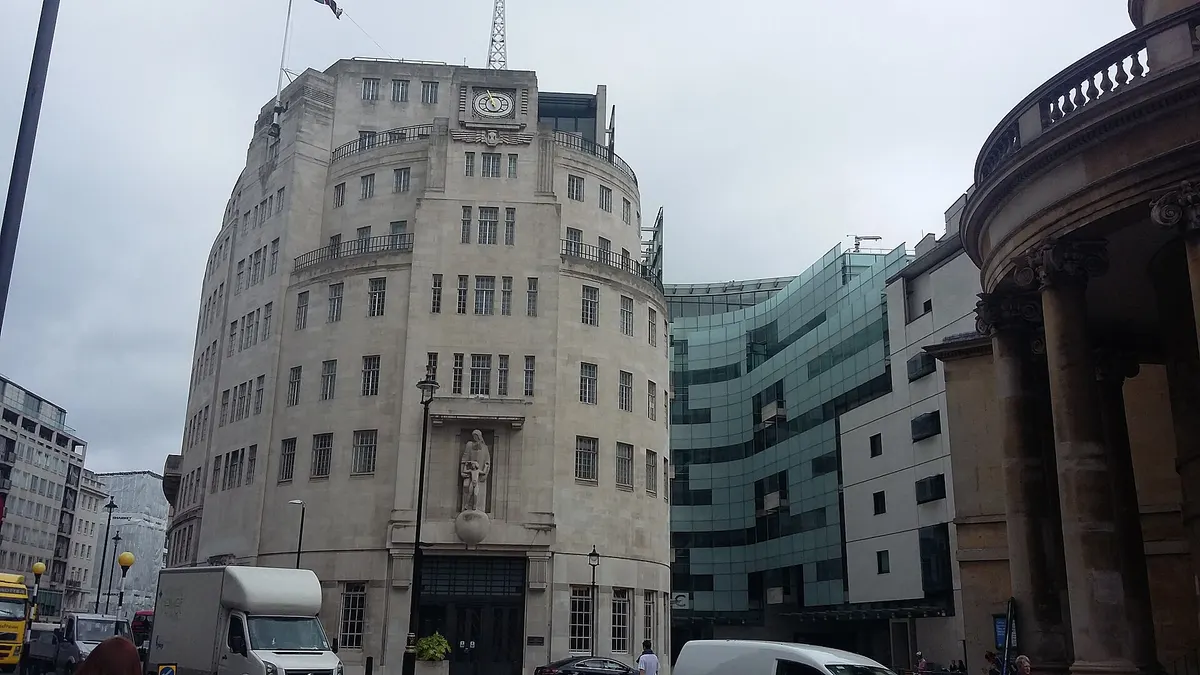
The British government is considering a controversial overhaul of how the BBC is funded that would require subscribers to popular streaming services to pay the annual TV license fee. Under proposals drawn up by Culture Secretary Lisa Nandy, platforms like Netflix, Amazon Prime Video, Disney+, and others would fall under the license fee remit.
The move aims to shore up the finances of the UK's public service broadcaster, which has suffered from a sharp drop in households paying the existing fee. While government sources describe the choice as vital to prevent a slow death for the corporation, critics argue the plan will add a heavy financial burden to households during a cost-of-living crisis.
What happened
Leaked plans reported by the media indicate that the UK government is preparing a white paper on the BBC's Royal Charter and license fee, due to be published by the end of the year or before Christmas. The proposals include extending the traditional TV license requirement—currently priced at £180 a year—so that it must be paid to access major on-demand streaming platforms.
Research by Ampere Analysis suggests that extending the fee to cover services like Netflix, Disney+, Amazon Prime Video, Discovery+, Paramount+, NOW, and HBO Max could generate an extra £1.6 billion annually for the BBC by 2032. The government views the current licensing model as outdated because households can watch television content without paying if they bypass live broadcasts and traditional channels in favor of on-demand streaming.
However, the plans contain notable exemptions. YouTube, along with social media sites like TikTok and Instagram, would not require users to pay the license fee, primarily because viewing on those platforms is largely free and user-generated. Radio listeners and website news readers would also remain exempt.
Why it matters
The potential expansion of the license fee directly impacts millions of British households that dropped traditional television packages to rely exclusively on streaming platforms. Those consumers would face an extra £180 annual charge on top of their existing subscription costs.
Streaming industry figures have warned that the extra charge could cause widespread cancellations of platform subscriptions and lead entertainment firms to scale back investment in the UK, putting thousands of jobs at risk. Political opposition has also emerged, with Conservative shadow culture secretary Rebecca Paul arguing that imposing a new bill on hardworking families contradicts promises to ease financial pressures. Additionally, some sources note the plan could invite friction with the United States administration regarding policies impacting American-owned streaming companies.
The background
The BBC is funded primarily through a household license fee, which historically required anyone watching or recording live television or using the BBC iPlayer to pay. Over the past decade, however, license fee income has dropped significantly in real terms as younger audiences abandon broadcast TV for on-demand platforms. This shortfall forced the BBC into deep financial pressure, leading to service cuts, program cancellations, and thousands of job losses.
The National Union of Journalists has pointed to a 26 percent real-terms reduction in license fee income over nine years, urging the government to secure the broadcaster's future. The current Royal Charter for the BBC is set to expire at the end of 2027, forcing a decision on long-term structural reforms.
What happens next
The government is expected to officially outline its plans for the BBC's license fee and Royal Charter in a white paper. Any overhaul of the licensing system is scheduled to take effect in 2028 at the earliest. While ministers insist that a firm financial foundation is necessary for the BBC to survive, the Department for Digital, Culture, Media and Sport has stated that no final decisions have been made.
Key takeaways
- The British government is considering extending the £180 annual TV license fee to subscribers of major streaming services like Netflix and Amazon Prime Video.
- Industry analysis indicates that capturing streaming users could generate up to £1.6 billion in extra annual funding for the financially strained BBC by 2032.
- Streaming executives and political opponents warn the fee extension will increase household living costs and could cause companies to reduce UK investments.
- Platforms such as YouTube and social media sites like TikTok and Instagram are slated to be exempt from the proposed requirements.