
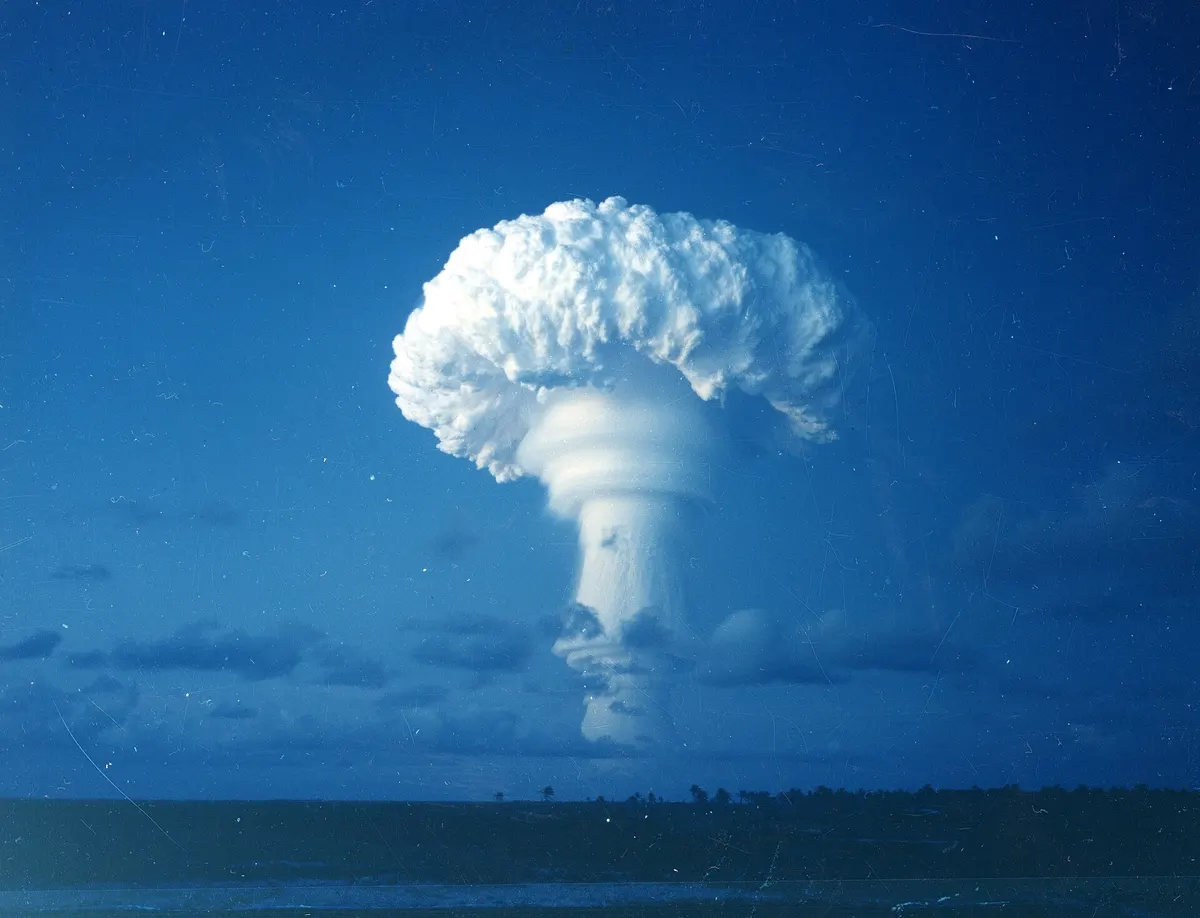
Prime Minister Andy Burnham has confirmed plans for an independent investigation into the health legacy of Britain's Cold War-era atomic programme. The inquiry aims to uncover the full truth regarding the impact of radiation exposure on British troops during nuclear testing exercises in the 1950s and 1960s.
The announcement comes after decades of campaigning by veterans and their families, who have long demanded accountability from the government. The Ministry of Defence has previously denied covering up the health impacts of the nuclear tests.
What happened
Andy Burnham has ordered an independent panel modelled on the Hillsborough disaster investigation to assess the potential impact of testing exercises. The prime minister promised veterans and their families a gold-standard investigation and stated that the government would treat the process with the utmost seriousness.
Veterans involved in the tests, which were predominantly carried out in Australia and the South Pacific, recounted being ordered to fly through radioactive clouds without protection. Others witnessed atomic explosions with nothing to shield them from the fallout or lived on sand they believed was contaminated with nuclear material. Veterans reported that higher personnel were given gas masks and protective suits while ordinary servicemen were told to turn their collars up, turn their backs, and cover their eyes.
Before becoming prime minister, Burnham had described the treatment of nuclear veterans as a criminal cover-up on an industrial scale. The announcement of the panel is the culmination of years of campaigning by the LABRATS group and other advocates, coming 14 years after a legal challenge at the UK Supreme Court failed.
Why it matters
Many surviving veterans say they were more likely to develop a range of illnesses in the years that followed the tests. Descendants of the servicemen argue they have suffered an increased risk of hereditary illnesses and fertility problems.
John Morris, a former laundry operator at a nuclear test site, developed cancer and lost a four-month-old son, both of which he believes were linked to radiation exposure. Brian Unthank witnessed three hydrogen bomb explosions in the Pacific without protective equipment and subsequently developed multiple skin cancers. Barbara Quick, whose father served in the RAF Police on Christmas Island, stated she had never been able to have children and that two of her sister's children had died, blaming health complications from their father's exposure. Steve Purse, born with complex undiagnosed disabilities, stated that his father was a nuclear test veteran.
The background
Britain's atomic weapons programme involved a series of nuclear weapons tests conducted during the 1950s and 1960s, largely taking place in Australia and on Christmas Island in the Pacific Ocean. The Ministry of Defence has maintained for decades that it did not cover up the impact of radiation on troops ordered to carry out the tests. The department previously pointed to four studies that found no increased health risks for those involved, alongside a Brunel University study carried out in 2022.
What happens next
The newly announced independent panel will assess the potential impact of the testing exercises on the health of veterans and their families. While Prime Minister Burnham stated he does not yet know what the full truth will be, he vowed that the government will ensure the process moves as quickly as possible to deliver answers.
Key takeaways
- Prime Minister Andy Burnham has ordered an independent panel modeled on the Hillsborough disaster investigation to examine the health legacy of Britain's Cold War atomic tests.
- Veterans and their families have spent decades campaigning for a full investigation, pointing to high rates of cancer, hereditary illnesses, and fertility problems.
- Servicemen reported witnessing nuclear blasts and flying through radioactive clouds without protective equipment, with ordinary troops told simply to turn their collars up and cover their eyes.
- The Ministry of Defence has previously denied covering up radiation impacts, citing earlier government and university studies that found no increased health risks for participants.