
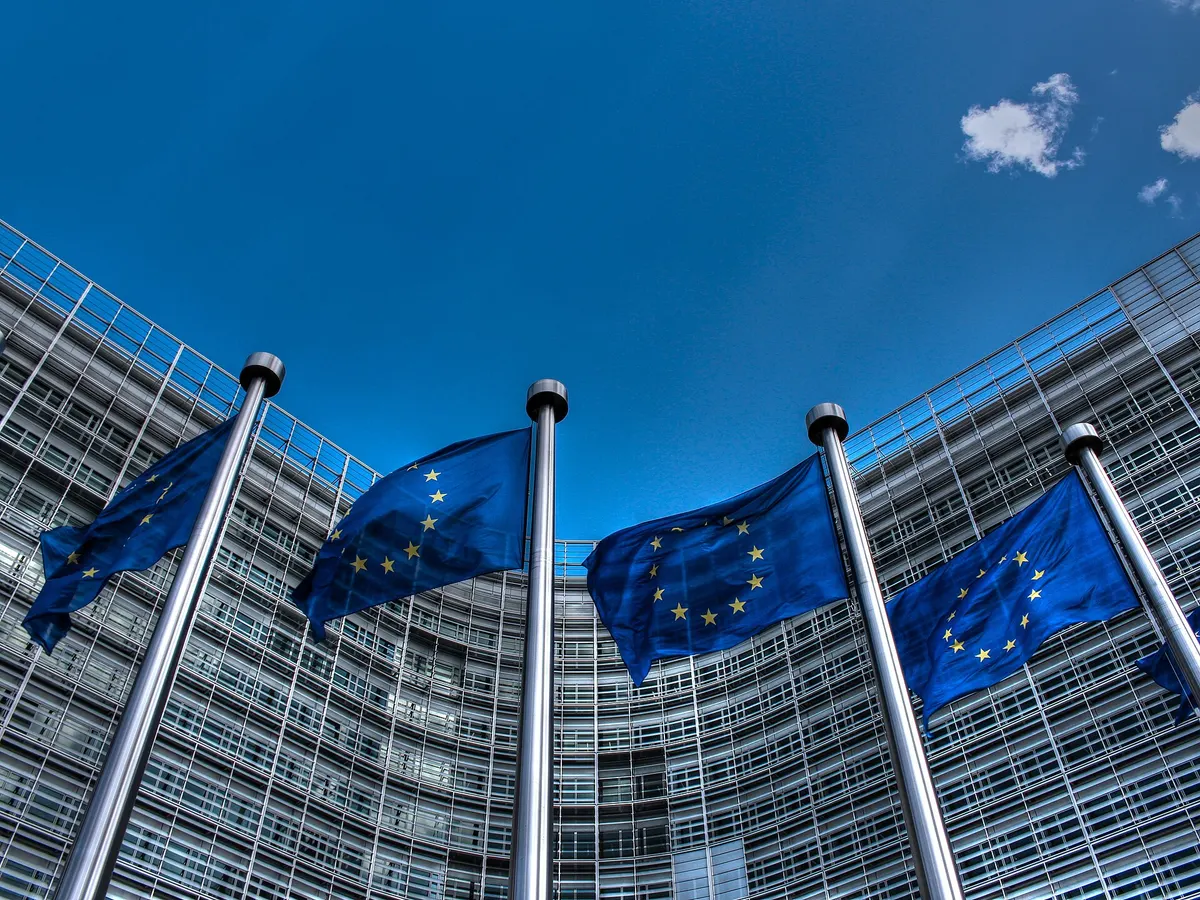
British and European Union negotiators are working through tense final hours ahead of a crucial summit in Brussels. Both sides are trying to finalise a package of agreements designed to reset relations between London and the bloc.
The talks center on major sticking points including a youth mobility scheme, tuition fees, and the degree of British involvement in shaping future European food regulations. Negotiators say the discussions will go down to the wire as ambassadors meet to push for a final agreement.
What happened
Negotiators have provisionally agreed to let 100,000 young EU citizens come to the UK annually under a new youth mobility scheme, raising the cap from previous discussions of 50,000 to 80,000. The age cap for the scheme was also raised from 30 to 31. The number of young British people allowed to travel to the EU under the reciprocal arrangement will be matched, though some countries like Germany are prepared to accept unlimited numbers.
Despite progress on quotas, central disagreements remain. The UK and the EU are battling over tuition fees for EU students coming to Britain, an issue where the UK is currently resisting European pressure. Another major hurdle involves a proposed food and drink agreement that aims to align British standards with European sanitary and phytosanitary rules. While this deal is expected to add 0.4% to British gross domestic product and come into force in March 2028, the UK has been pushing for a formal role in committees that set future rules.
European officials have largely resisted giving Britain a direct vote or rule-making power, viewing the UK strictly as a rule taker under the arrangement. France is perceived as the primary barrier within the EU to granting the UK greater involvement in working groups on food and drink laws. Meanwhile, senior EU figures are warning that the UK cannot continue to strike special, piecemeal deals to move closer to Brussels without rejoining the bloc, its single market, or its customs union.
Why it matters
The outcome of these negotiations will shape the practical economic and social ties between the UK and the EU for years to come. A successful food and drink agreement is anticipated to boost British economic output significantly while easing trade frictions, particularly concerning the Irish border. For young citizens on both sides, the expanded mobility scheme establishes a clear framework for living, working, and studying abroad. However, the dispute over rule-making power highlights ongoing political sensitivities regarding British sovereignty and alignment with European regulations.
The background
Since the UK's departure from the European Union, successive governments have navigated various approaches to managing the post-Brexit relationship. The Labour Party was elected on a manifesto promise to reset relations and seek closer ties with European neighbors. Previous arrangements left trade in agricultural and manufactured goods subject to distinct regulatory barriers, prompting efforts to negotiate targeted agreements in areas like food safety, energy markets, and youth mobility.
What happens next
European ambassadors are continuing discussions in Brussels ahead of an impending leadership summit. If an agreement is successfully reached, the British government intends to introduce a cutting costs bill to parliament next week. However, negotiations regarding university tuition fees and other longer-term areas of cooperation, such as electricity markets and migration management, are expected to continue in the months following the summit.
- British and EU negotiators provisionally agreed to a 100,000 annual quota for a new youth mobility scheme.
- The UK is pushing for a formal advisory role in European food rules, facing resistance from France and other EU member states.
- Disagreements remain regarding tuition fees for EU students coming to Britain.
- Senior EU figures warn that the current piecemeal approach to bilateral agreements is reaching its limits.