
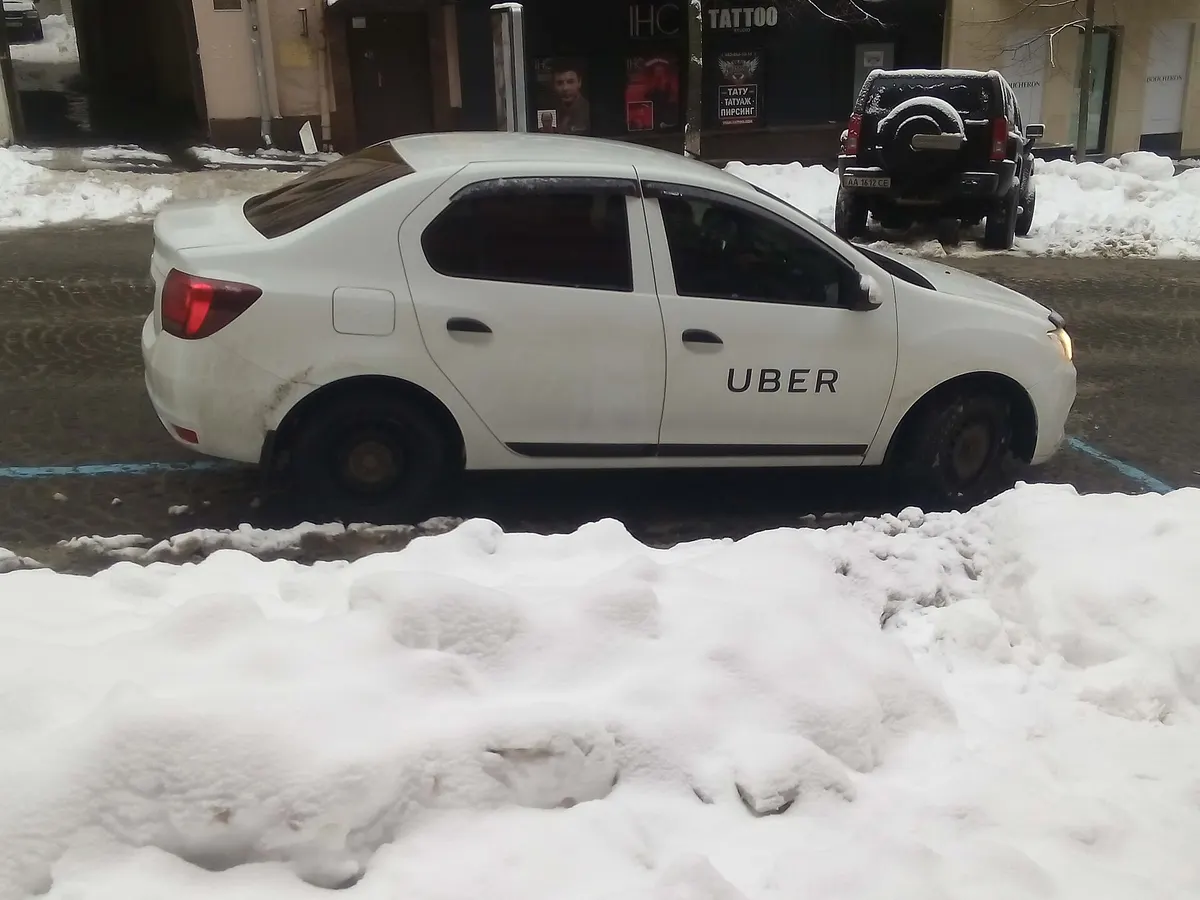
Uber has launched a limited pilot program called Uber Kids, allowing children as young as 10 to take unescorted rides. The service is currently operating in Austin, Texas, Nashville, Tennessee, and Madison, Wisconsin.
The initiative is designed to test whether there is a viable market for shuttling tweens. It builds on the company's existing service for teenagers and requires mandatory safety measures for both parents and drivers.
What happened
The Uber Kids program was quietly rolled out over recent weeks in Austin, Nashville, and Madison. Under the rules of the pilot, parents or guardians are the exclusive buyers of these trips. They must add the child to their family profile and complete an onboarding process explaining safety features.
A parent or guardian must be present at the pickup location and leave a note for the driver detailing the drop-off instructions. For every trip, PIN verification is required.
Drivers are carefully vetted for the program. Only highly rated drivers who receive a direct invitation from Uber are allowed to participate. Eligible drivers must complete an education module with step-by-step instructions and opt into live video streaming so parents can monitor trips in real time.
Uber uses sensors and GPS data to detect if a vehicle goes off course, stops unexpectedly, or terminates early. Recordings are encrypted and remain inaccessible to the driver. To offset the heavy restrictions and added responsibility, Uber is offering a pay bump. Participating drivers receive an extra $7 per trip compared to standard rides, plus a $20 bonus upon completing their first Uber Kids ride.
Why it matters
The pilot represents an attempt by Uber to tap into a potentially lucrative demographic of busy families with active children. If the program proves successful and expands, it could eventually intensify competition with established student and child transportation services like HopSkipDrive and Zum.
However, expanding into younger demographics presents significant operational hurdles. The primary challenge for Uber is convincing drivers to take on the heightened responsibility of transporting minors, which necessitates financial incentives like extra pay and rigorous safety oversight to build trust with parents.
The background
Uber previously entered the minor transportation market in 2023 with the launch of Uber for Teens, which caters to passengers between the ages of 13 and 17, though early pilot testing began years prior. As that older teen program expanded nationwide, Uber added features like live video streaming to reassure parents.
Ride-hailing companies have increasingly looked toward specialized demographics to drive growth as their general markets mature. Transporting children independently requires navigating complex regulatory landscapes and parental concerns around safety, leading to specialized startups dedicated entirely to youth transit.
What happens next
Because Uber is currently treating this as a limited pilot program, it remains unclear whether it will ever expand beyond Austin, Nashville, and Madison, or if it will continue to exist past next year. Its future depends heavily on the success of the current test phase and driver participation.
- Uber has launched a test program for children ages 10 and older in Austin, Nashville, and Madison.
- Parents must use family profiles, be present at pickup, and use PIN verification for every trip.
- Participating drivers must opt into live video streaming and complete an education module.
- Drivers earn an extra $7 per trip and a $20 bonus for their first completed kids ride.
- The pilot may or may not expand depending on the results of the current test.