
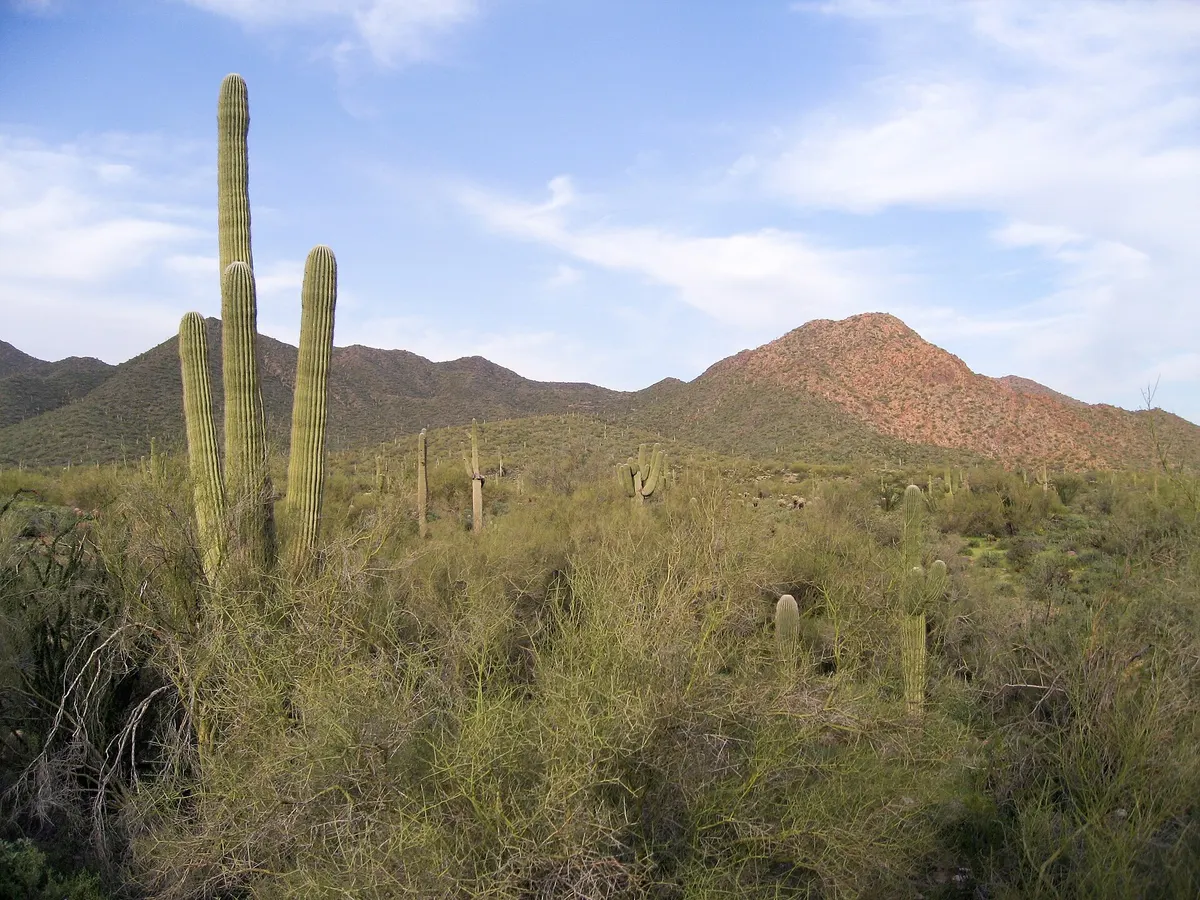
In downtown Tucson, a restaurant called Ursa is transforming the local Sonoran Desert landscape into a source for high-end cuisine. Owners Aaron Lopez and June Chee source ingredients almost exclusively from within an eight-to-10-mile radius of their restaurant, which opened in its current location in October 2025.
By utilizing native plants like brittlebush, salt bush, and dozens of cactus varieties, the restaurant creates dishes that reflect the region's agricultural history. The project serves as both an art showroom for desert potential and a tribute to the deep-rooted food traditions of the area.
What happened
Ursa began as a pop-up in El Centro, California, in 2023, before the couple moved to a historic brick building in Tucson. Chef Aaron Lopez, who previously worked in fine dining in Los Angeles and Honolulu, and June Chee, who has a background in clean energy, decided to settle in Tucson to connect more deeply with the desert environment. They source their ingredients from local growers like Toadlet Farm and through their own foraging efforts throughout the year.
The kitchen staff processes desert flora using techniques such as grilling, poaching, cold-smoking, nixtamalization—a traditional process for preparing maize—and fermentation. A typical 10-course menu might feature dishes like tepary beans topped with lactofermented squash or desert furikake made from pickled squash flowers and barrel cactus seeds. The menu is highly seasonal and frequently changes based on the availability of ingredients, as the restaurant avoids common staples like cucumbers, radishes, or citrus that do not grow in their immediate vicinity.
Why it matters
Ursa operates under strict self-imposed constraints, choosing not to substitute traditional ingredients with desert counterparts but rather to let the native plants stand on their own. This approach requires the restaurant and its staff to embrace the natural bitterness or spice of the flora, rather than masking them. By highlighting plants that many locals overlook or consider weeds, the restaurant aims to redefine what is considered edible and sustainable in the Sonoran Desert.
The background
In 2015, UNESCO designated Tucson a Creative City of Gastronomy, recognizing the city for its 4,000-year history of continuous agriculture. The region is home to hundreds of edible plants, many of which have been used by Indigenous peoples for centuries. The restaurant specifically uses Pima club wheat, an ancient soft white grain cultivated by the Akimel O’odham people. The project is deeply personal for Lopez, who was inspired by his late grandfather’s pride in his desert heritage.
What happens next
Because the restaurant’s offerings are dictated by the seasonal availability of wild-harvested and locally farmed ingredients, the menu remains in a constant state of flux. While the owners have established their presence in downtown Tucson, they continue to refine their approach to educating diners who may be unfamiliar with the specific desert ingredients on their plates. They have also introduced more accessible dining options to help bridge the gap for customers unfamiliar with their experimental, ingredient-focused concept.
Key takeaways
- Ursa creates 10-course fine dining menus exclusively from ingredients found within a 10-mile radius of their Tucson location.
- The restaurant uses traditional processing techniques, including nixtamalization and fermentation, to prepare native desert plants like cactus, brittlebush, and salt bush.
- The owners intentionally avoid common ingredients like citrus or radishes, focusing instead on the unique flavor profiles of Sonoran Desert flora.
- The restaurant's mission is to showcase the sustainability and culinary history of the region, which has been an agricultural center for 4,000 years.