
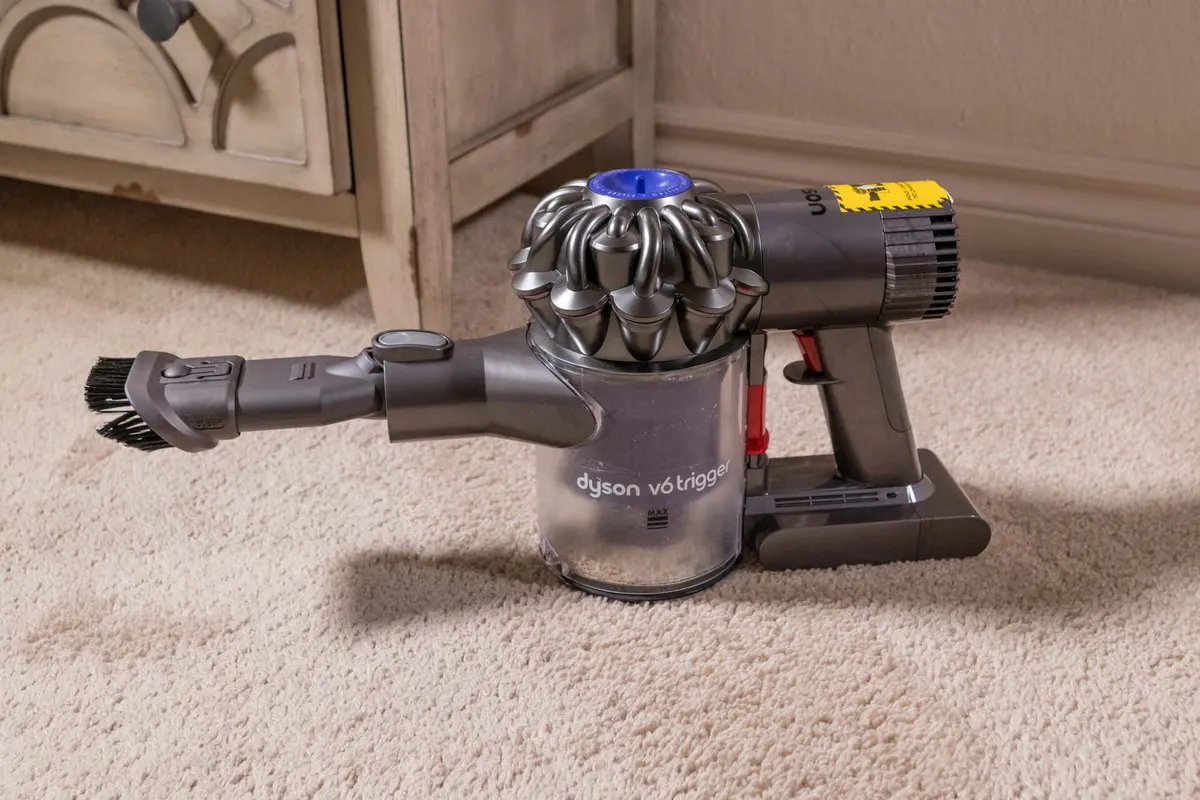
A simple cleaning tip shared by a professional chef involves keeping a small handheld vacuum cleaner strictly for the kitchen and dining room. The method changes how people clean food preparation and eating areas by addressing dry debris before using any wet cloths.
This approach helps streamline cleaning routines by removing the need to chase loose crumbs with sponges or paper towels. While dedicated kitchen vacuums are not entirely new, editors at lifestyle publications like The Kitchn and Apartment Therapy report high satisfaction with specific compact models designed for daily countertop and appliance maintenance.
What happened
A food writer shared a recommendation from a chef friend who advised keeping a small, handheld vacuum dedicated entirely to the kitchen and dining room. The primary advantage of a separate device is hygiene, ensuring that dirt and germs from bathrooms or other living areas are never brought near food preparation surfaces.
According to advocates of the method, the tool efficiently handles meal crumbs, dried food particles on stovetops, stray grains of rice or pasta, and crumbs hiding in toasters or high chairs. By dry-vacuuming debris first, cooks can avoid gumming up sponges or rags, leaving wet wiping strictly for sticky residues.
Editors highlighted specific products designed for this purpose, such as the KitchenAid Go Cordless Kitchen Vacuum. Priced around $90 to $130, this rechargeable mini vacuum features interchangeable attachments like a long crevice tool to reach tight spaces around pantry organizers and stovetops without requiring a full wipe-down.
Why it matters
Using a mini vacuum for dry kitchen debris changes the traditional cleaning workflow by separating dry cleanup from wet sanitization. For busy households with children or pets, managing crumbs quickly saves significant time and effort during daily food preparation and post-meal cleanup.
This method also reduces reliance on disposable paper towels, which are commonly used to wipe away dry messes despite getting gunked up easily. Transitioning to a dedicated tool offers a reusable, efficient alternative that simplifies kitchen maintenance.
The background
Kitchen maintenance typically relies on traditional tools like sponges, dishcloths, and paper towels for both wet spills and dry crumbs. Wiping up dry food particles with a damp sponge often creates a messy, sticky residue that requires extra rinsing.
In recent years, manufacturers have expanded cordless appliance lines to include compact cleaning tools tailored for specific household tasks. Brands like KitchenAid have introduced rechargeable ecosystems where a single battery powers multiple devices, including hand mixers, blenders, and mini vacuums.
What happens next
Consumers looking to adopt the chef-recommended tip can choose from a growing market of cordless handheld vacuums and alternative cleaning supplies. Retailers frequently discount these items during seasonal shopping events like Black Friday, offering various reusable dishcloths and compact vacuums at reduced prices.
Key takeaways
- A professional chef recommended keeping a small handheld vacuum strictly for kitchen and dining room cleanup.
- Using a separate device prevents germs from other areas of the house from coming into contact with food surfaces.
- Dry-vacuuming crumbs first eliminates the need to use gunked-up sponges or rags for loose debris.
- Editors have praised compact rechargeable models like the KitchenAid Go Cordless Kitchen Vacuum for daily spot-cleaning tasks.