
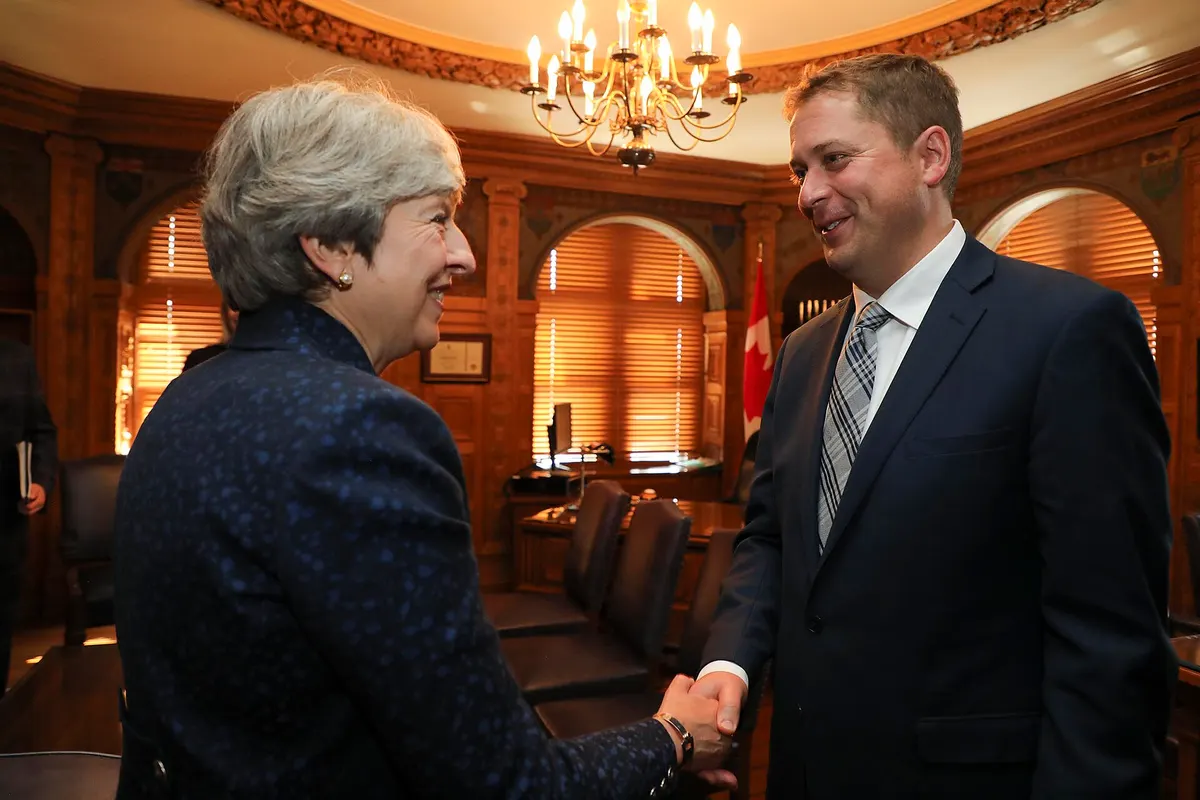
Former prime minister Theresa May has criticized current plans regarding relations with the European Union. In an interview, she urged leaders to focus on current economic and security challenges rather than reopening debate on membership in the trading bloc.
The remarks follow discussions in Brussels regarding future ties between Britain and the EU. The exchange highlights ongoing political divisions over the legacy of the 2016 referendum and the country's long-term relationship with its European neighbors.
What happened
During a Brussels summit, the prime minister stated a desire to brainstorm options for the future relationship between Britain and the European Union. This led to an agreement covering British food exports, emissions trading, and a youth experience scheme, which was described as a win-win. Both sides agreed to conduct an informal brainstorming process over the coming months leading up to the next UK-EU summit to explore options.
Following these developments, former prime minister Theresa May expressed that she was aghast the prime minister could be considering rejoining the EU. In an interview with Laura Kuenssberg, Baroness May stated that Brexit is done and urged officials to accept it and move on. She argued that further negotiations would drain government time and resources across the entire administration, recalling her own three years of tortuous negotiations while in office.
May also criticized the idea of revisiting the topic, claiming it amounted to patting the British people on the head by suggesting their initial vote was wrong. Meanwhile, former prime minister Sir Tony Blair also weighed in, telling The Sunday Times that Britain should only rejoin the EU if it reforms and allows more innovation on technology. Blair stated he believed Brexit was a real mistake, though he noted the debate differs from 2016.
Why it matters
The debate over European integration touches on core questions of national sovereignty, economic policy, and international trade for the United Kingdom. Trade arrangements, food exports, and regulatory alignment directly affect British industries and consumers. Disagreements among former and current political leaders signal persistent internal friction over how the UK positions itself globally and manages its post-departure relationship with its largest trading partner.
The background
Britain voted to leave the European Union in a referendum held in 2016. Theresa May served as prime minister from 2016 to 2019, campaigning to stay in the EU prior to taking office but subsequently overseeing the formal exit process. Her negotiated withdrawal agreement faced fierce opposition from both hardline Brexit supporters and pro-remain lawmakers, ultimately leading to her resignation in 2019. Sir Tony Blair served as prime minister from 1997 to 2007 and was a prominent opponent of leaving the EU.
What happens next
The reports indicate that British and European officials will conduct an informal brainstorming process over the coming months. This process is intended to explore options for future cooperation ahead of the next scheduled UK-EU summit. The reports do not specify exact dates for the upcoming summit or provide further details on whether formal negotiations will ensue.
Key takeaways
- Former prime minister Theresa May warned that Brexit is done and urged leaders to move on rather than consider rejoining the EU.
- The remarks followed an agreement in Brussels covering British food exports, emissions trading, and a youth experience scheme.
- Sir Tony Blair stated that Britain should only rejoin the European Union if it implements reforms and supports technological innovation.
- British and European officials plan to conduct an informal brainstorming process in the coming months before the next UK-EU summit.