
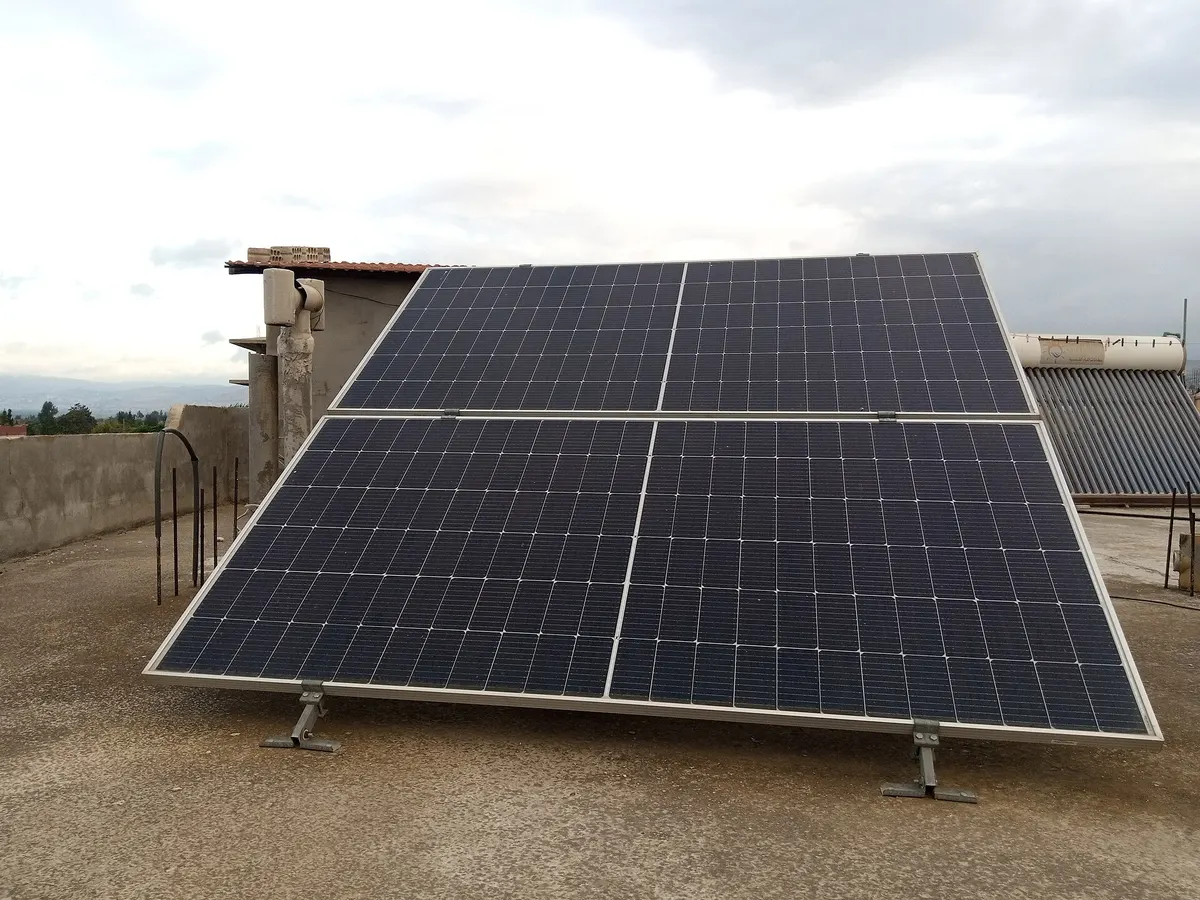
Installing solar panels on a home is often marketed as an easy way to slash electricity bills and cut carbon emissions. However, a closer look at the financial and logistical realities reveals a series of substantial hurdles that can diminish these benefits. Homeowners must weigh high initial equipment prices, regional utility policies, and roof limitations before making the jump to renewable energy.
The average price to install a residential solar power system ranges between $20,000 and $27,000 in the United States, or roughly $15,000 to $30,000 depending on the source. Prior to 2026, homeowners could rely on a federal 30 percent tax credit to soften the financial blow, but the Trump administration terminated that incentive. Without this credit, the payback period for a system bought in cash has stretched from around six years to as many as 10 years, depending heavily on local electricity rates and state regulations.
What happened
The decision to install solar panels involves evaluating several distinct geographic and technical factors. Electricity rates vary wildly across the country, with the 10 most expensive states being Hawaii, Maine, Massachusetts, California, Alaska, New York, Rhode Island, New Hampshire, New Jersey, and Connecticut. Residents living outside these high-rate areas may not see significant savings, particularly if they occupy smaller homes, maintain small households, or use energy-efficient appliances.
Homeowners must also research net metering policies provided by local utility companies. Net metering programs credit users for excess energy produced by their panels and fed back into the grid. The most advantageous programs offer a one-to-one power exchange at the retail rate, while other states rely on reduced-rate structures or buyback programs that offer a fraction of the value.
Physical constraints on a property present additional challenges. Solar panels perform best in locations with consistent sunlight and moderate-to-cool temperatures, while excessive heat or overcast weather degrades their efficiency. Houses need south-facing roofs clear of trees or neighboring buildings. Furthermore, older roofs require replacement before panel installation—a project costing anywhere from $4,000 to more than $35,000. While solar shingles offer a sleek alternative to bulky panels, they cost roughly twice the price per watt, pushing total installation for a 2,500-square-foot home to between $52,500 and $62,500 before incentives.
Finally, homeowners seeking backup power during blackouts cannot rely on panels alone. Solar setups require a battery backup system to store and deliver electricity during outages. A single-battery backup costs between $10,000 and $16,000, while whole-home, multi-battery systems add further expense.
Why it matters
For individual consumers, unexpected installation costs and restrictive local regulations can turn an environmental upgrade into a financial liability. Buyers looking at the property market will find that solar panels rarely increase a home's formal valuation. Estate agents across the UK and US report that panels generally improve a property's saleability or attract eco-conscious buyers in specific niche markets like Cambridge, but they rarely translate into a higher asking price.
The background
Residential solar power grew rapidly over the past decade as a popular method for reducing household dependence on traditional utility companies. Driven by a mix of climate concerns and rising energy costs, millions of homeowners adopted rooftop photovoltaics. Governments and utility companies initially introduced aggressive financial incentives, such as rebates and tax credits, to spur adoption. As the market matured, policymakers began scaling back these incentives, shifting the financial calculus for everyday consumers.
What happens next
Consumers must carefully evaluate local weather patterns, roof conditions, utility buyback structures, and cash flow before entering into solar contracts. As federal incentives remain terminated and utility policies shift, homeowners will continue to face longer payback periods on their investments.
- The average price to install a residential solar power system falls between $20,000 and $27,000 before incentives.
- The Trump administration terminated the federal 30 percent tax credit that previously helped homeowners offset installation costs.
- Estate agents note that solar panels generally improve property saleability rather than increasing formal home valuations.
- Single-battery backup systems required for outage protection cost between $10,000 and $16,000.