
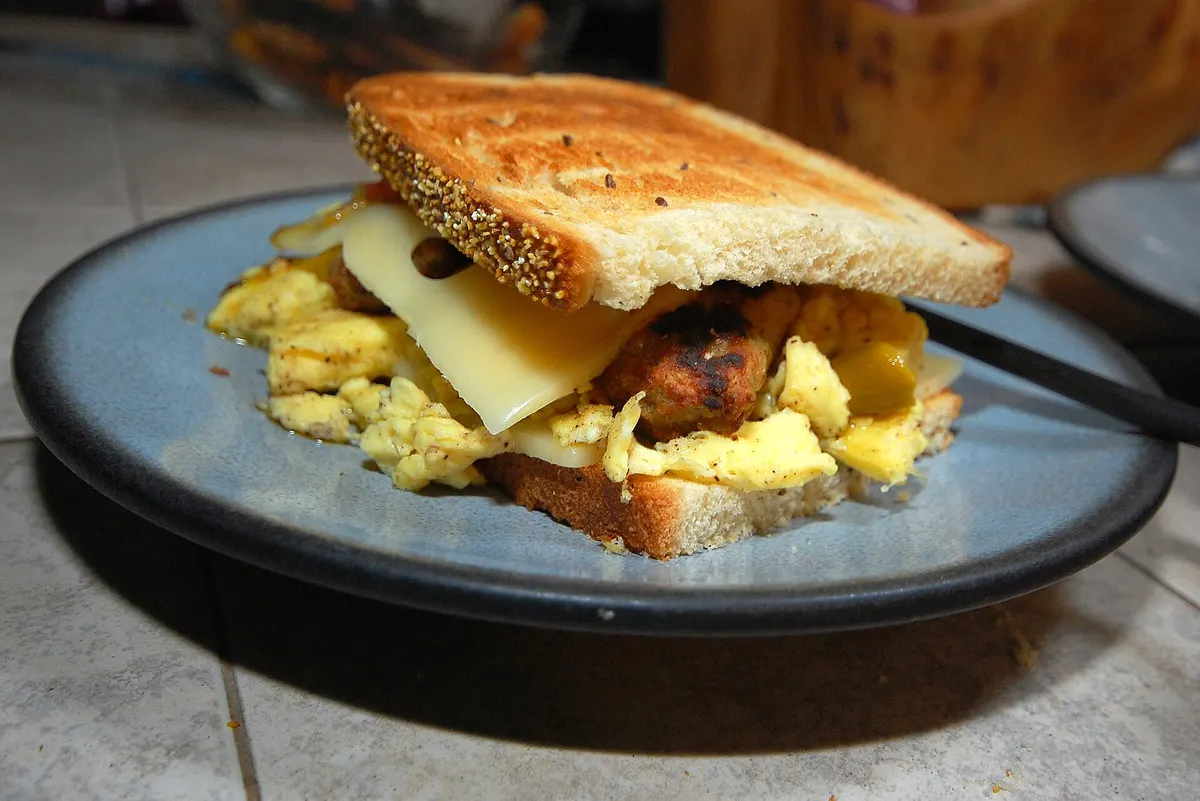
The bacon, egg, and cheese sandwich—widely known as a BEC—is an iconic morning meal that has transcended its regional roots in New York City and Long Island to become a cultural touchstone. While traditionally served quickly and affordably at local delis and corner stores, this heavy breakfast staple has generated its own specific ordering language and inspired countless modern culinary adaptations.
From traditional bodega orders involving specific acronyms to upscale appetizers and bakery creations, the BEC remains a deeply debated and universally loved food item. Whether ordered with simple condiments or completely reinvented in a new format, the sandwich continues to hold a prominent place in daily routines and dining conversations.
What happened
The classic New York and Long Island BEC is traditionally built on a kaiser roll or bagel, featuring crispy bacon, melted American cheese, and griddled eggs that are partially scrambled. Regular customers often use specific acronyms when placing orders at a bodega or deli. The abbreviation BECSP stands for bacon, egg, and cheese with salt and pepper, while BECSPK indicates the addition of ketchup.
While salt, pepper, and ketchup represent the traditional standard, debates among customers frequently center on other condiment choices. Hot sauce is widely favored, and some patrons advocate for mayonnaise, while purists strictly reject ketchup. Beyond the standard sandwich format, creative chefs and home cooks have adapted the flavor profile into new forms. These include bite-size appetizers made with mini phyllo shells, Grey Poupon Dijon mustard, and Gruyère cheese, as well as bakery items like flaky croissants, biscuits, brioche, and danishes.
Why it matters
For millions of commuters and local residents, the BEC serves as an affordable, reliable, and protein-heavy source of morning fuel. The sandwich supports local delis, bodegas, and independent bakeries, while also remaining a mainstay on restaurant brunch menus. The enduring debate over proper condiments and bread choices highlights the personal and cultural significance attached to an everyday meal.
The background
The roots of the breakfast sandwich can be traced back to the working-class streets of London in the 1800s, where pork and egg combinations were already popular. The formula was enhanced in the 1950s with the addition of American cheese. Local corner stores, New York City bodegas, and Long Island delis subsequently adopted the meal as an affordable option for a fast-moving public.
Fast-food giants eventually recognized the appeal of the morning staple, with Jack in the Box introducing a version in 1969 and McDonald's following in 1972. Over the decades, the sandwich has evolved past its fast-food and bodega origins, inspiring regional variations and gourmet interpretations across different types of eateries.
What happens next
As dining trends continue to shift, local delis and bakeries are expected to keep offering creative variations of the traditional recipe, ranging from specialized rolls to entirely new pastry formats. The ongoing debates over condiments and preparation styles will continue to spark lively discussions among food enthusiasts.
- The classic New York and Long Island BEC is traditionally built on a kaiser roll or bagel with bacon, American cheese, and griddled eggs.
- Bodega ordering lingo includes BECSP for salt and pepper and BECSPK for salt, pepper, and ketchup.
- The roots of the breakfast sandwich trace back to 1800s London before American cheese was added in the 1950s.
- Fast-food chains such as Jack in the Box and McDonald's popularized the concept in the late 1960s and early 1970s.