
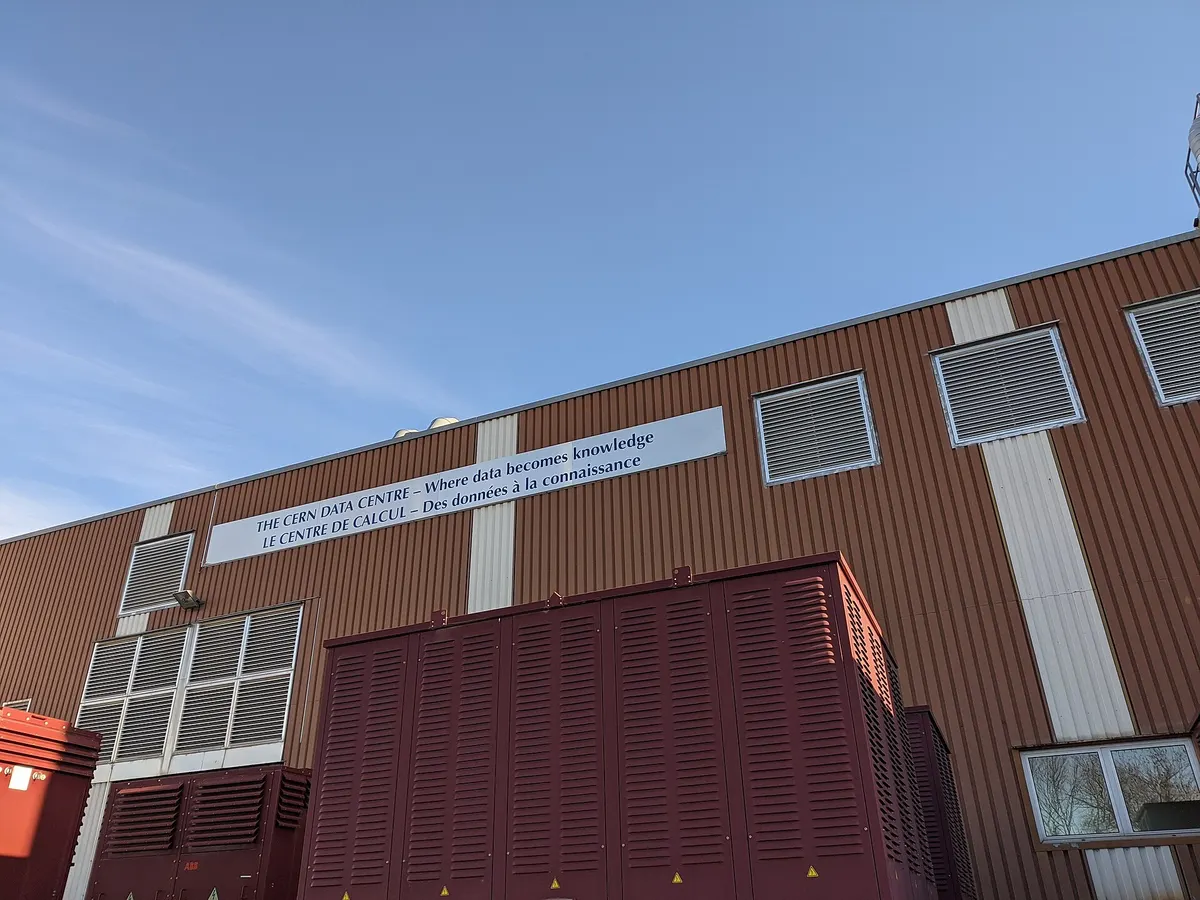
Security is strict outside a nondescript office building on the outskirts of Airdrie in North Lanarkshire. Inside this facility at Chapelhall, visitors must pass through perimeter fences, CCTV, airlocked doors, and timed entry points to access the humming, hot environment of Scotland's largest data centre.
This high-security site is at the heart of a heated public debate regarding the rapid growth of data centres across Scotland. While operators argue these facilities are vital for modern infrastructure and national security, local residents and environmental campaigners warn of severe impacts on local communities and biodiversity.
What happened
Data centres operate with massive processing power housed in specialized server halls. DataVita, the company running the Chapelhall facility, uses Scotland's climate to help cool the equipment, noting that the country's year-round ambient temperature between 9 and 13 degrees Celsius is ideal for cooling servers. According to DataVita Chief Executive Danny Quinn, a standard server rack consumes roughly the same daily electricity as a four-bedroom home, while an artificial intelligence rack consumes the energy equivalent of 20 to 30 homes. These servers process internet searches, store bank and health records, and manage data for businesses and public bodies. DataVita's existing 16-megawatt centre is already Scotland's largest, a 24-megawatt centre is currently under construction, and the company is seeking planning permission for an even larger 120-megawatt facility. Local residents like Jennifer Thompson, a member of the Say No to Chapelhall AI Growth Zone group, view these expansion plans with deep alarm. Thompson and her neighbours point to concerns over environmental damage, pollution control, and local job benefits, arguing that no community on earth genuinely wants these facilities nearby. This local friction spilled over when thousands of protesters gathered in Edinburgh to demonstrate against the construction of large-scale artificial intelligence data centres.
Why it matters
Data centres represent a fundamental tension between digital progress and local environmental protection. Modern economies rely heavily on continuous data processing for everything from daily internet use to critical health records, making these facilities immensely valuable to business operations. At the same time, their immense electricity demands and physical footprints directly impact the neighborhoods where they are built, forcing communities to shoulder the environmental costs of the global artificial intelligence boom.
The background
Data centres are secure, highly controlled facilities housing rows of computer servers that store, process, and distribute massive amounts of digital information. Companies increasingly rely on these facilities to safeguard their critical digital assets against loss or cyber threats. Operators like DataVita emphasize the concept of data sovereignty, arguing that nations must build their own independent infrastructure rather than relying on foreign systems. Across Scotland, more than 20 planning applications involving data centres have been submitted, drawing intense scrutiny as developers try to scale up capacity.
What happens next
DataVita continues to seek planning permission for its proposed 120-megawatt centre at Chapelhall, despite strong local opposition and ongoing public protests. While the company maintains that its public consultations show broad community acceptance, local activist groups vow to continue fighting the expansion until safety and environmental impacts are fully proven.
Key takeaways
- DataVita operates Scotland's largest data centre in Chapelhall, North Lanarkshire, and plans to build a massive new 120-megawatt facility.
- Company executives state that a standard server rack uses as much daily electricity as a four-bedroom home, while artificial intelligence racks use up to thirty times that amount.
- Local residents have formed opposition groups over concerns regarding heavy energy use, environmental damage, and pollution control.
- Thousands of demonstrators recently protested in Edinburgh against the widespread construction of large-scale artificial intelligence data centres.