
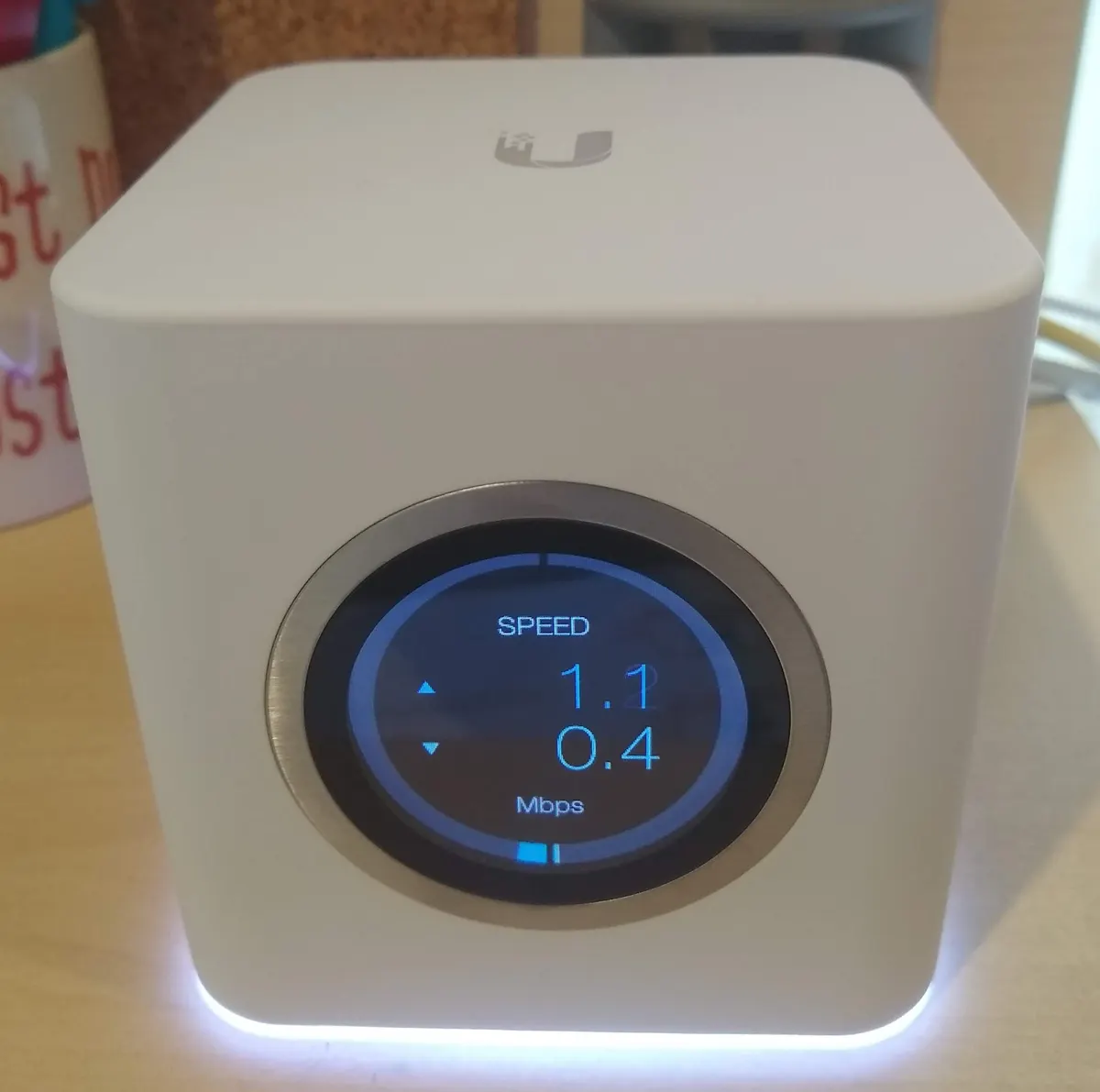
Many households rely on the standard router provided by their broadband supplier, which is frequently tucked away in a corner or hallway. While fast fibre broadband is widely available, these default routers often lack the range needed to cover every room, leaving distant home offices and living areas without a reliable connection.
To bridge this gap, consumers typically turn to Wi-Fi extenders or mesh systems. Reviewers have put a selection of these devices through rigorous real-world testing to determine which options offer the most effective, reliable, and affordable ways to improve home wireless coverage.
What happened
Reviewers tested a range of wireless products, including both extenders and mesh systems from leading manufacturers, using real-world environments such as multi-floor houses with thick interior walls and glass doors. Testing procedures included running bandwidth assessments with network-testing software to measure how fast data passed between devices, conducting file-transfer checks in troublesome locations, and streaming 4K video and video games to spot erratic signals or buffering.
Among the tested hardware was Amazon’s premium mesh system, which provides Wi-Fi 7 connectivity through slim white units. Available as a single router or bundled with one or two satellites, the system is configured using a dedicated mobile app and operates across the 2.4GHz, 5GHz, and 6GHz bands. During testing, the three-unit setup delivered fast file-transfer speeds and handled high-bandwidth tasks without difficulty, though some advanced features require a subscription.
Why it matters
Wireless dead zones disrupt daily activities such as remote work, online gaming, and streaming high-definition video. Households with multiple connected devices frequently experience bandwidth bottlenecks when routers fail to distribute a strong signal evenly.
Choosing the right network hardware helps consumers avoid erratic connections, dropped video calls, and buffering issues. Understanding the performance differences between cheaper extenders and comprehensive mesh setups allows buyers to invest in equipment that matches their specific home layout and speed requirements.
The background
Wi-Fi extenders and mesh systems serve different purposes in home networking. Extenders plug directly into wall sockets between a router and a target area, repeating the wireless signal to expand its reach into a single specific zone. Mesh systems are more advanced setups that pair a primary router with one or two satellite units placed around the property, creating a unified network that automatically passes a device's connection from unit to unit as a user moves through the house.
While extenders offer a budget-friendly fix for isolated weak spots, mesh systems are designed to provide seamless, whole-home coverage. Modern systems increasingly utilize newer wireless standards, such as Wi-Fi 7, which offer higher theoretical bandwidths and multiple frequency bands to support heavy household data usage.
What happens next
Consumers can choose from an expanding market of wireless networking hardware spanning various price points and brands. Further long-term performance data and comparative reviews continue to help buyers navigate security features, ease of setup, and subscription costs associated with modern home routers and extenders.
- Standard broadband routers often fail to reach every room, creating dead zones in distant offices and living spaces.
- Wi-Fi extenders plug into wall sockets to target specific areas, while mesh systems use satellite units to cover entire homes.
- Testing in challenging multi-floor environments helps identify which devices maintain stable speeds during 4K streaming and heavy file transfers.
- Premium hardware like Amazon's Wi-Fi 7 mesh system delivers fast speeds and easy app setup, though some features require a subscription.