
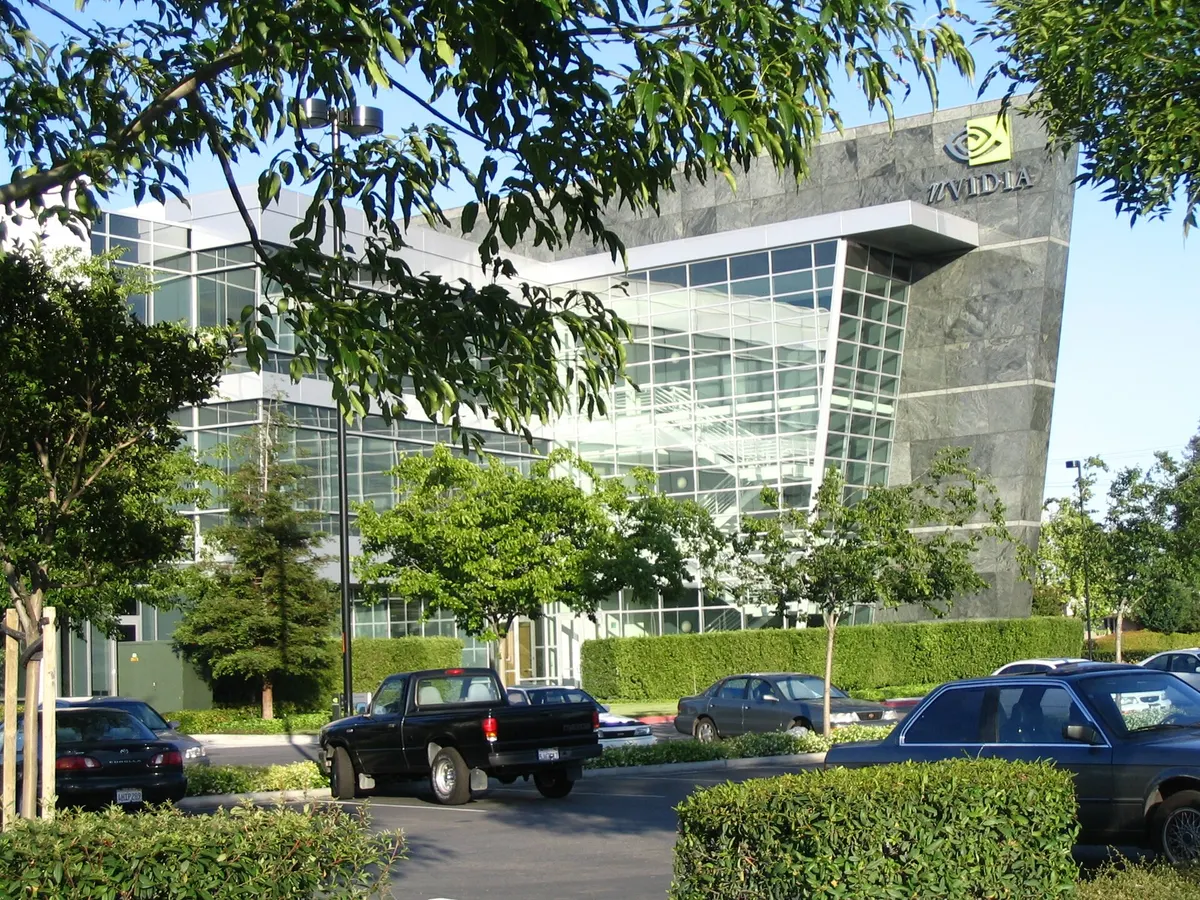
Technology shares led a broad market retreat on Tuesday as caution returned to Wall Street. The downturn followed a brief surge sparked by the reinstatement of Jensen Huang as the chief executive officer of chip giant Nvidia.
The initial euphoria quickly gave way to lingering anxieties over sector profitability and intense federal scrutiny. Analysts and market observers warned that despite Huang's comeback, severe uncertainties continue to cloud the artificial intelligence trade.
What happened
A day after Huang's reinstatement as CEO drove Nvidia shares up by more than 30 percent and added over $900 billion to its market value, the stock lost almost 6 percent by Tuesday's close. The broader tech-heavy Nasdaq shed 1.48 percent, while the S&P 500 lost 0.5 percent. Other artificial intelligence sector players also suffered, with artificial intelligence startup Anthropic slumping by about 6.5 percent to $81.90, dipping below the $83 price of its initial public offering last week. Nvidia shares briefly dipped below a $4 trillion market capitalization during afternoon trading before recovering. Competing semiconductor firms saw varied movement, with Advanced Micro Devices gaining 1.3 percent and Broadcom adding nearly 4 percent following strong gains earlier in the week. Nvidia and Huang also face a class-action shareholder lawsuit filed in federal court in San Jose, California, by the Rosen Law Firm. The lawsuit alleges the defendants made false or misleading statements regarding Huang's personal relationships and business ties.
Why it matters
Nvidia sits at the epicenter of the global artificial intelligence boom, making its governance and market stability vital to worldwide economic growth. Huang's personal and professional entanglements directly affect investor confidence in a sector that has absorbed vast sums of capital throughout the year. The investigations threaten to expose vulnerabilities in how advanced semiconductor technology reaches foreign markets, potentially altering export policies and corporate accountability across the entire technology ecosystem.
The background
Jensen Huang resigned as Nvidia's chief executive less than two weeks prior to his return, following reports of extramarital affairs. These reportedly included a relationship with an executive at Megaspeed, an Nvidia customer, whom United States officials concluded was a Chinese intelligence asset funneling information to Beijing and possibly steering advanced artificial intelligence chips to China. U.S. President Donald Trump publicly stated that the Federal Bureau of Investigation is looking into the matter. High-ranking U.S. officials, including Secretary of State Marco Rubio, previously drafted classified memos warning that Huang maintained a close relationship with the alleged spy while simultaneously serving as an influential voice on artificial intelligence policy and advocating for looser export restrictions to China.
What happens next
Federal investigators, including agents at the Federal Bureau of Investigation and lawmakers on Capitol Hill, continue to scrutinize Nvidia over allegations that it helped Chinese firms gain access to top-line chips. Market experts estimate that Nvidia's internal board investigation could take four to six weeks to complete, keeping a heavy overhang on the company's stock price. Meanwhile, Nvidia maintains that it has no reason to believe national security or company secrets were compromised.
Key takeaways
- Nvidia shares lost almost six percent by Tuesday's close following a massive rally driven by Jensen Huang's reinstatement as chief executive officer.
- Anthropic stock slumped to $81.90, falling below the $83 price established during its initial public offering last week.
- Federal authorities including the Federal Bureau of Investigation are scrutinizing Nvidia over whether it allegedly helped Chinese firms access top-tier microchips.
- A class-action shareholder lawsuit was filed against Nvidia and Huang in federal court in San Jose, California, alleging false or misleading statements.