
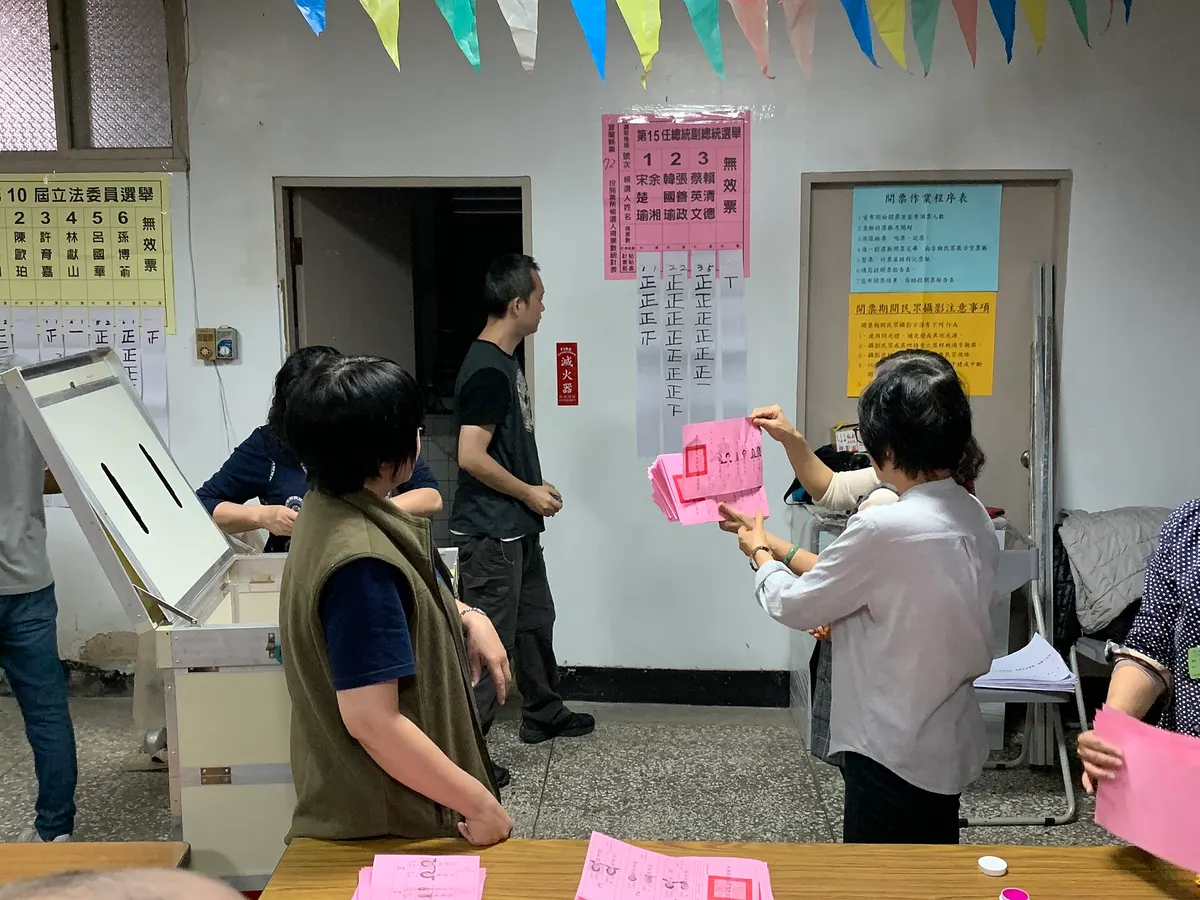
Voting in Taiwan's local elections, commonly known as the nine-in-one elections, took place from 8am to 4pm on Saturday. Citizens went to the polls to decide 11,051 local public offices, including county and city leadership positions, amid a backdrop of intense domestic and geopolitical pressures. Turnout reached strong levels in major urban centers such as Taipei as voters faced complex ballot papers featuring numerous referendums.
The elections serve as a crucial mid-term test for President Tsai Ing-wen and the ruling Democratic Progressive Party. Voters faced lengthy queues at polling stations to navigate ballots that included ten separate referendums. These covered contentious issues such as same-sex marriage and a bid to alter the name under which Taiwan competes at international sports events. Reports indicated fierce debate among the public over marriage rights, balancing concerns regarding birth rates and traditional family definitions against equal rights activism.
What happened
The local elections encompass 19,695 registered candidates vying for 11,051 offices, with 81 candidates contesting leadership roles across 22 counties and cities. Reports noted strong voter participation, with Taipei turnout reaching 63 percent by mid-afternoon and estimates suggesting figures could climb higher. Beyond local administrative offices, the electorate voted on referendums addressing pro and anti-gay marriage stances.
President Tsai and the ruling party repeatedly alleged that China has attempted to meddle in the democratic process through a disinformation and fake news campaign, accusations that Beijing has denied. Taiwan's National Security Bureau previously detailed methods allegedly employed by the Chinese Communist Party, including discounted airfares for citizens living in China, financial assistance to favored candidates, cyberattacks on government networks, and the spread of online disinformation.
Why it matters
These elections carry immense domestic and international significance as a referendum on President Tsai's administration. Tsai framed the vote as a way to demonstrate that Taiwan will not bow to Beijing, which has ramped up military and diplomatic pressure since she took office. For the local electorate, the results directly impact regional governance while serving as a barometer for national policies and cross-strait stability.
Furthermore, the inclusion of high-stakes referendums places social rights directly in the hands of voters. LGBT groups expressed deep concern that a conservative victory on marriage definitions could roll back the island's reputation as a pioneer for marriage equality following a landmark court ruling.
The background
China views self-ruling Taiwan as an inseparable part of its territory and has strongly objected to President Tsai's refusal to acknowledge the "one China" principle. This stance contrasts sharply with her predecessor, Ma Ying-jeou of the Beijing-friendly Kuomintang party. Since Tsai's election victory two years prior, Beijing has intensified pressure, leading to heightened anxiety over the island's sovereignty and democratic survival.
Local administrative elections occur every four years, testing the ruling party's hold on power and gauging public sentiment regarding domestic economic and social reforms. The simultaneous referendums introduced an extra layer of complexity, drawing massive public engagement on fundamental social values.
What happens next
Polls closed at 4pm on Saturday, and vote counting immediately got under way across the island. Official results were not expected until late Saturday as election commissions processed the high volume of votes cast for thousands of local offices and multiple referendums.
Key takeaways
- Voters in Taiwan participated in high-stakes local elections encompassing thousands of public offices and ten separate referendums.
- The elections served as a critical mid-term test for President Tsai Ing-wen amid ongoing military and diplomatic pressure from Beijing.
- Electorates encountered divisive choices regarding same-sex marriage referendums that threatened to impact local social rights.
- Authorities previously raised alarms regarding alleged external interference, including cyberattacks and targeted disinformation campaigns.