
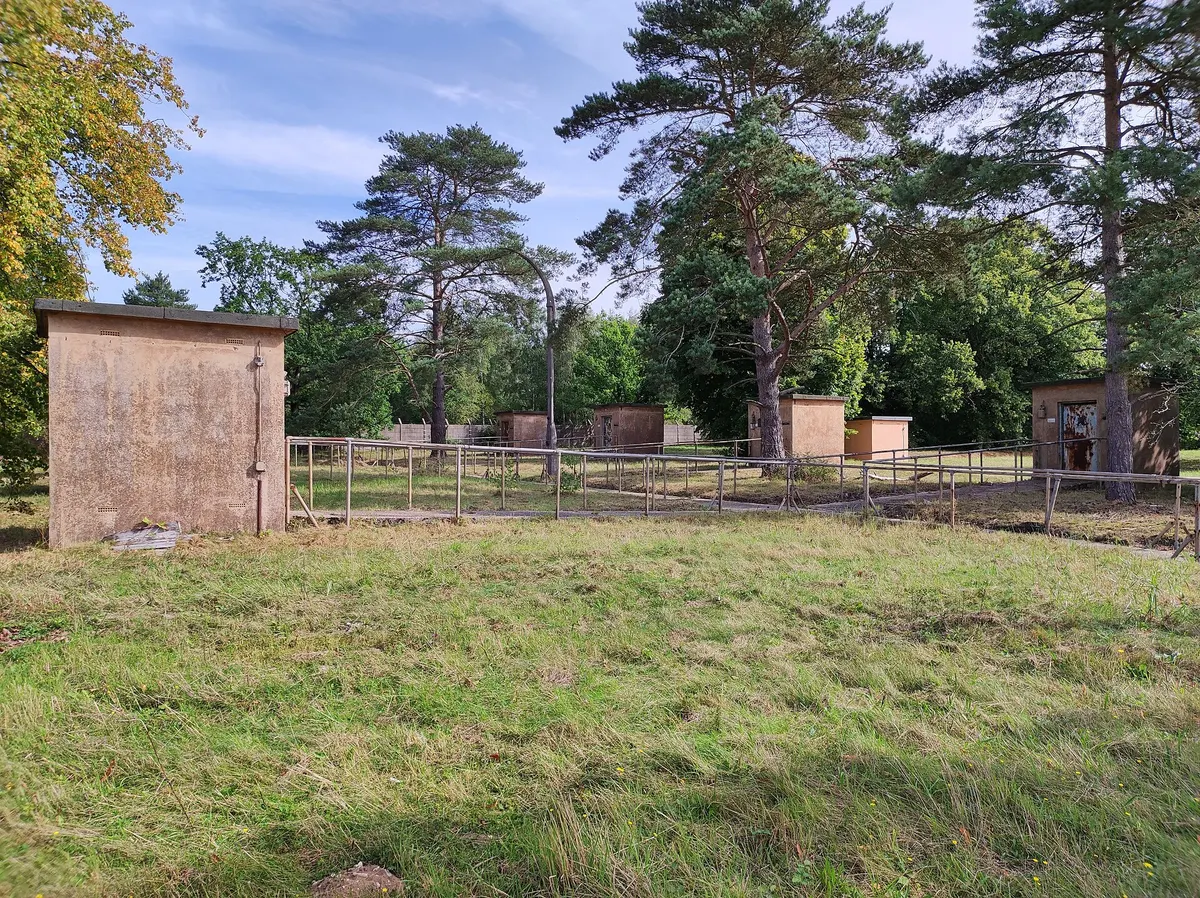
Residents of the Suffolk village of Barnham are heading to the polls to vote on whether to symbolically secede from the United Kingdom. The ballot is a protest against government proposals to use a former military base near the village to house nearly 1,000 single male asylum seekers. The vote carries no legal weight and is designed to express local opposition to the controversial plans.
The referendum follows a similar symbolic vote held by villagers in Piddington, Oxfordshire, in September. Both communities are pushing back against government efforts to move asylum seekers out of hotels and into Ministry of Defence sites using fast-track planning routes.
What happened
The controversy began when the Home Office identified Ministry of Defence sites in Bicester, Linton-on-Ouse, and Barnham to help house asylum seekers. As of March, more than 20,000 asylum seekers were living in hotels while awaiting decisions. The government initially proposed housing 1,250 migrants at RAF Barnham, a former nuclear weapons store located a little over a mile from the village, though that number was later reduced to roughly 930 single adult males aged between 18 and 65. The Home Office awarded a £3.4 million contract to construction giant Kier to design the camp, intending to use a fast-track planning route called Urgent Crown Development to bypass local council permission. Local residents, parish councillors, and the Barnham Residents Association strongly opposed the project, arguing that the village of roughly 600 people should not bear the impact of the facility. Parish council leaders and residents expressed exhaustion and deep concern over the disruption to their community before organizing Saturday's referendum at the Barnham Village Hall.
Why it matters
The vote highlights deep tensions between rural communities and central government over how to handle the UK's asylum accommodation backlog. Residents argue that the influx of nearly 1,000 single men into a small rural area will overwhelm local infrastructure, alter village life, and leave locals feeling ignored by authorities. The decision by the Home Office to spend £3.4 million on planning contracts before a final legal decision is reached has drawn heavy criticism. While the vote to leave the UK has no legal mechanism behind it, it serves as a constitutional stand to demonstrate the strength of public feeling and protest what organizers describe as government overreach.
The background
The Home Office first floated the idea of using Ministry of Defence sites for asylum seekers in June as part of a strategy to reduce reliance on hotels. RAF Barnham was previously used for nuclear weapons storage and more recently for police training. The local pushback mirrors a protest in Piddington, Oxfordshire, where residents voted overwhelmingly in September to leave the UK over similar plans to house asylum seekers at MoD Bicester. In both cases, communities have utilized symbolic referendums to draw national attention to their plight after traditional local opposition channels failed to halt the projects.
What happens next
Voting at the Barnham Village Hall runs from 10:00 to 16:00 GMT, with counting and results expected between 17:00 and 18:00 on Saturday. Because the secession vote is entirely symbolic, it will not legally block the government from proceeding with its plans for the former military base. It remains unclear whether planning permission will be successfully granted or if further legal challenges will delay the construction project.
Key takeaways
- Residents of Barnham are holding a referendum to symbolically secede from the UK in protest against plans to house asylum seekers nearby.
- The Home Office has earmarked the former RAF Barnham site to house nearly 1,000 single male asylum seekers aged between 18 and 65.
- A £3.4 million contract has already been awarded to construction giant Kier to design the camp using a fast-track planning route.
- The vote carries no legal weight and follows a similar symbolic secession vote held by villagers in Piddington, Oxfordshire, in September.