
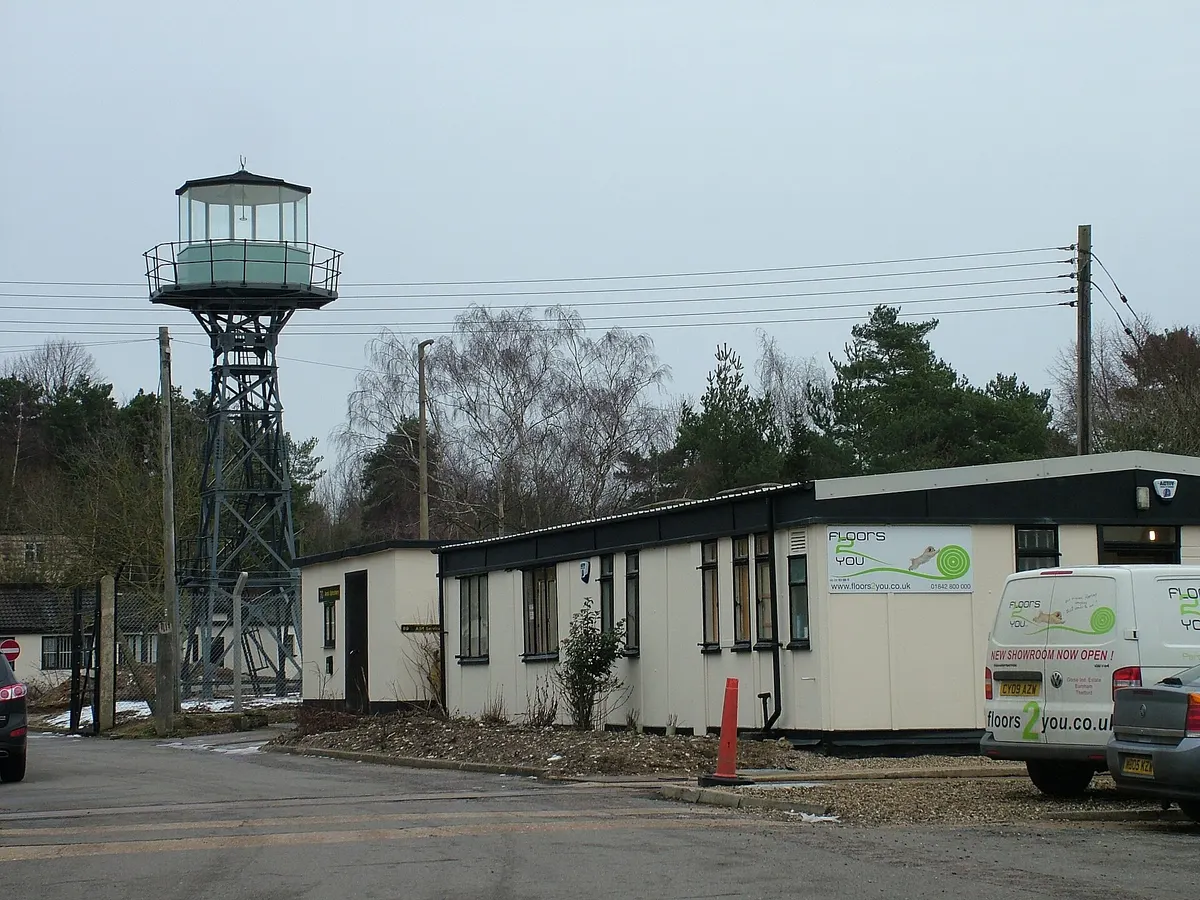
Residents in the Suffolk village of Barnham have voted overwhelmingly in a symbolic poll to declare independence from the United Kingdom. The ballot was held to protest government proposals to use a nearby former airbase to house hundreds of asylum seekers.
Two hundred and fifty-seven residents voted in favour of leaving the UK, representing 94 percent of those who took part. Organisers said the community will now symbolically declare itself the Bailiwick of Barnham, though the vote carries no legal weight.
What happened
The referendum was organised after RAF Barnham, located near Bury St Edmunds and Thetford, was earmarked by the government as a site to house up to 931 single male asylum seekers. The government first put forward plans for the site back in June, which triggered local demonstrations outside the former base.
On Saturday, eligible villagers in Barnham cast their ballots in a symbolic poll asking whether the community should seek crown dependency status, similar to Jersey, Guernsey or the Isle of Man, to place the village outside Home Office jurisdiction. Out of 257 votes in favour, 16 votes were cast against, and one vote was spoiled. Following the result, residents unveiled a new flag featuring a Stone-curlew against a Suffolk blue background.
Barnham is the second village to hold such a protest, following a similar symbolic vote in the Oxfordshire village of Piddington in September over the conversion of another former military site.
Why it matters
The vote highlights deep anxieties among residents over community safety and local resources. Villagers expressed concerns about the sheer volume of people arriving relative to the local population, pointing out that an influx of nearly 931 single male asylum seekers would dramatically outweigh the village's population of 584.
Locals emphasized that safety, particularly for women walking alone or with children, is a primary worry. Campaigners and residents stress that the protest is intended to draw national attention to what they view as a lack of listening from the government regarding rural infrastructure and community capacity.
The background
The UK government has been actively searching for alternative accommodations to end the costly use of hotels for asylum seekers, a scheme that at its peak reportedly cost nine million pounds per day. As part of this effort, the Ministry of Defence has seen several former military installations considered for modular or mass housing of migrants.
Local opposition has been fierce across multiple proposed sites. In Piddington, a similar vote saw residents back self-determination over plans to house roughly 1,250 asylum seekers at a former defence ministry site.
What happens next
The Home Office has stated that a final decision regarding RAF Barnham has not yet been made, though it recognises the strength of feeling in local communities and is listening carefully to concerns. Meanwhile, local MP Peter Prinsley stated he plans to meet with the immigration minister to express opposition on behalf of Barnham residents.
- Residents in Barnham held a symbolic poll to declare independence from the UK after the former RAF base was earmarked for asylum seeker housing.
- Two hundred and fifty-seven people, or 94 percent of participants, voted in favour of leaving the UK to form the Bailiwick of Barnham.
- The referendum carries no legal weight and follows a similar protest vote held in the Oxfordshire village of Piddington in September.
- The government states that a final decision on using the site for up to 931 single male asylum seekers has not yet been made.