
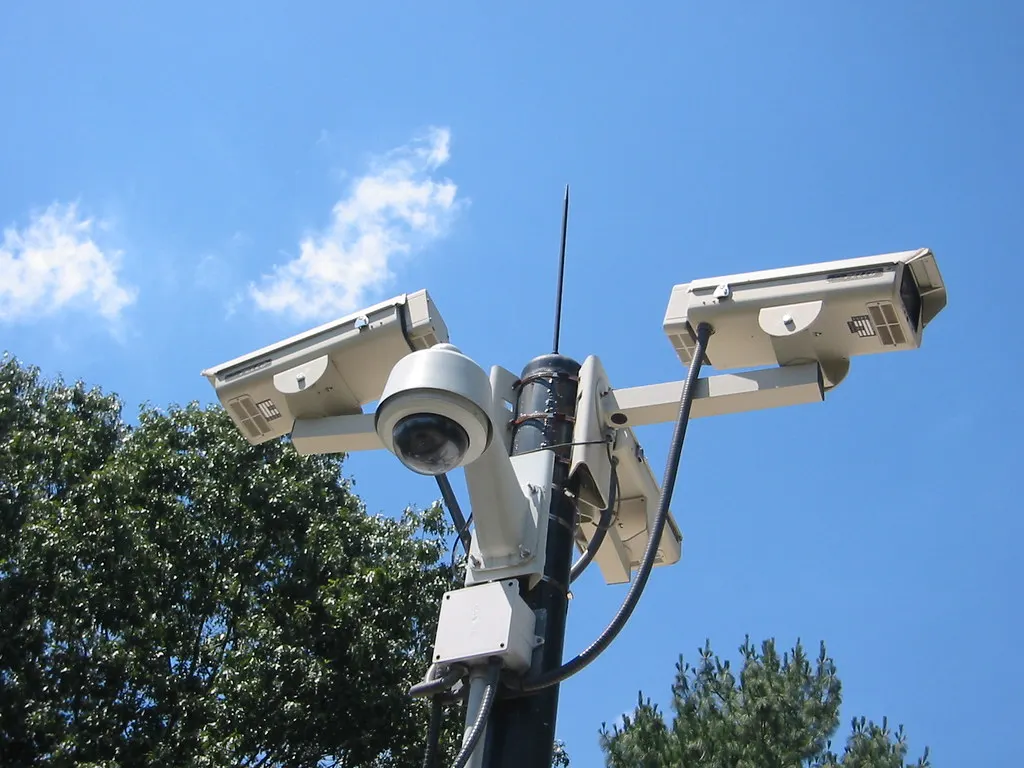
In October 2025, four Black high school students in Maryland were sharing a bag of Cool Ranch Doritos after football practice while waiting for rides home. An artificial intelligence gun detection system used by the school district mistakenly flagged one of the teens holding the chips as an armed gunman. Despite school officials initially reviewing security cameras and determining within two minutes that there was no threat, authorities were still dispatched to the campus.
Responding officers arrived with flashing lights and drawn weapons, separating the teenagers, forcing them onto their knees on concrete, handcuffing them, and searching their property. The students are now suing Baltimore County Public Schools and the police department, seeking to halt the use of the technology and address what they describe as a dangerous overreliance on flawed automated security systems.
What happened
The incident took place at a Baltimore County Public Schools campus after football practice. While the four students—identified in a lawsuit as Taki Allen, Yui-Osa Ogbeide, Devon Thompson Jr., and Keith Winfield III—waited for rides, the school's AI gun detection software, Omnilert, issued an alert identifying a chip bag as a potential firearm. School officials reviewed security camera footage linked to the system and quickly realized the error, canceling the alert to notify police that no response was necessary.
However, due to a combination of technological and human errors, school officials still called the police to the scene. At least six patrol cars arrived with their lights flashing, and officers emerged with guns drawn. The students complied with orders, but were given no explanation of what they were suspected of doing. Officers separated them, ordered them to their knees on the concrete, handcuffed them, and conducted bodily searches.
Only after finding no weapon did the students learn that the AI system had triggered the ordeal. During the encounter, responding officers allegedly muttered complaints about the technology, calling them "stupid AI cameras" and "fucking Omnilerts," and acknowledged the danger the teens had been placed in by telling them they were lucky they did not run away. The students were also told they were guilty "by association" when they questioned the search. The encounter left the teens with physical pain from tight handcuffs, lasting emotional distress, anxiety, and humiliation, compounded by rumors spreading through the school.
Why it matters
The lawsuit highlights the growing friction between the rapid adoption of automated surveillance technologies in public schools and the civil rights of students. The plaintiffs are represented by the Lawyers’ Committee for Civil Rights Under Law, a nonpartisan nonprofit organization. Damon Hewitt, the group's president and executive director, argued that the combination of overreliant artificial intelligence and poor communication among officials creates a toxic environment for children.
For the students involved, the impact has been profound. They report feeling less safe on campus and losing trust in law enforcement. Taki Allen, the student who held the Doritos, no longer feels safe waiting outside after hours and now pays for private car services to avoid waiting for rides. Furthermore, the students face ongoing reputational damage from false rumors that a gun was actually present on campus.
The background
Baltimore County Public Schools was among the earliest adopters of Omnilert, a visual gun detection software. School officials have previously touted the deployment as the largest of its kind designed to protect students. Omnilert markets its product with claims of achieving near-zero false positives, though critics and the lawsuit allege the system fails to require adequate human review to back up those claims.
Artificial intelligence surveillance systems have increasingly been integrated into public infrastructure, including schools, to preemptively identify threats. Critics have frequently raised concerns about accuracy, bias, and the potential for automated systems to escalate routine situations into dangerous encounters with law enforcement, particularly for students of color.
What happens next
The lawsuit asks for an injunction to bar Baltimore County Public Schools from using the Omnilert system until effective protocols are established to prevent police responses to false alerts. The legal filing alleges violations of the students' constitutional rights, specifically citing unlawful search and detention. It remains to be seen how the school district and police department will respond in court, or whether other districts using similar technology will reevaluate their safety protocols.
Key takeaways
- Four high school students in Maryland were handcuffed and searched after an AI system mistook a bag of Doritos for a gun.
- School officials recognized the error on security cameras within two minutes but still contacted police due to communication and technical errors.
- The lawsuit alleges civil rights violations and asks for an injunction to stop the school district from using the Omnilert system.
- The students report lasting physical pain, emotional distress, and reputational damage as a result of the armed police response.