
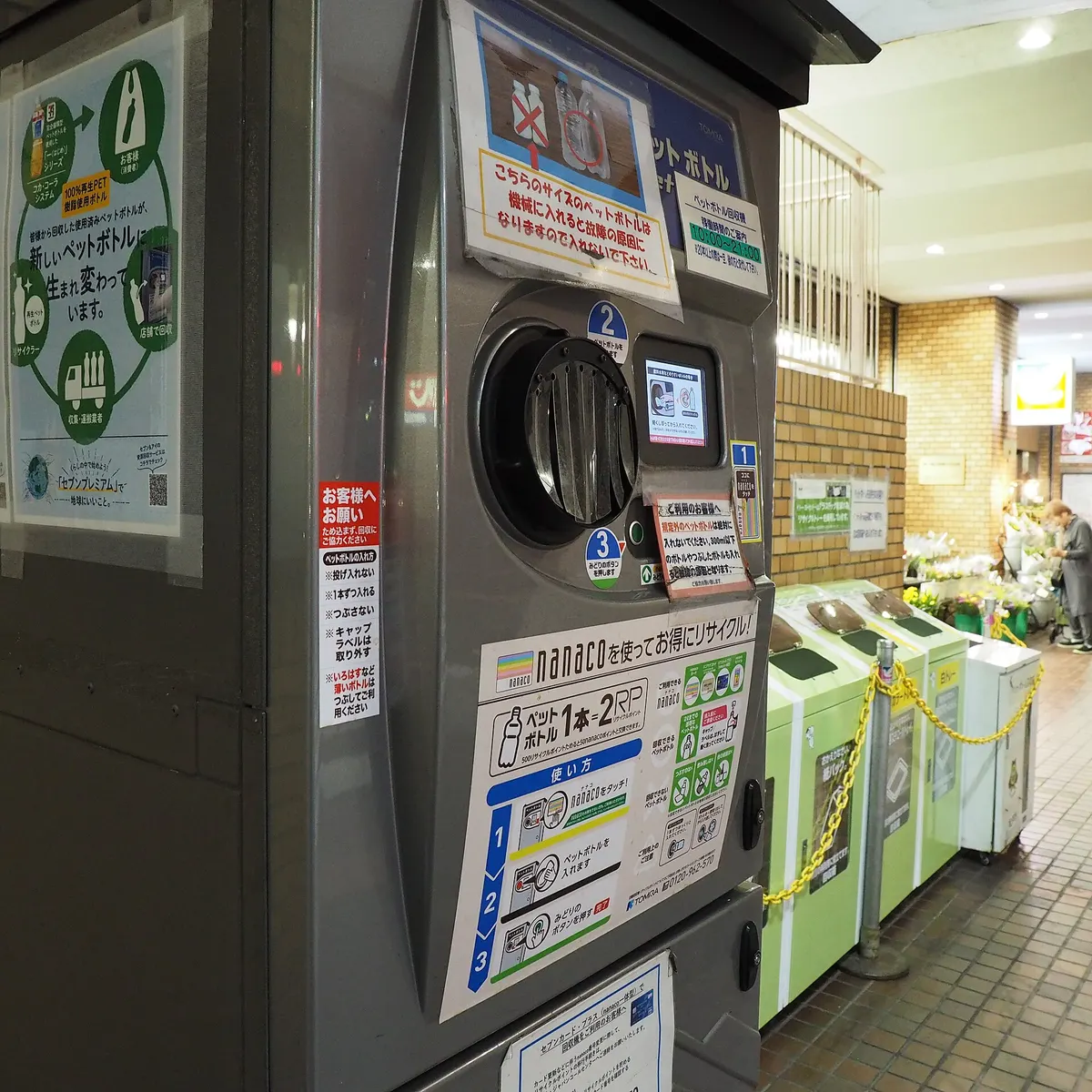
Singapore's Beverage Container Return Scheme has sparked widespread public debate, long queues, and online controversy since its launch. While intended to promote recycling through reverse vending machines, the 10-cent deposit system has triggered friction over convenience and behavioral habits.
Citizens have flooded social media with complaints ranging from faulty machines and foul smells to videos exposing potential loopholes and fraudulent practices. Authorities and scheme operators maintain that safeguards are in place to preserve the system's integrity.
What happened
Since the Beverage Container Return Scheme was progressively introduced in April, more than 105 million drink containers have been returned across Singapore. However, the rollout has been accompanied by a litany of grievances. Users have reported frustrations with faulty machines, rejected containers, refund delays, and overflowing bins as collectors sift through waste for empty bottles.
Recently, the scheme drew intense online scrutiny following several viral videos. One video showed a member of the public successfully obtaining a 10-cent refund for a drink bottle purchased in Malaysia because it carried an international barcode shared with Singapore. Another video depicted a man allegedly using a printed barcode on a piece of paper to claim refunds from a machine while processing a bag of containers. These incidents led to widespread online discussions about loopholes, deliberate misuse, and whether the system is being exploited.
Why it matters
The friction highlights a deeper societal resistance to changing relationships with disposable packaging, convenience, and modern consumerism. For many residents, returning containers disrupts long-standing habits formed during the post-war plastic revolution, where single-use plastics and packaging became the default standard of convenience. Furthermore, fraudulent attempts to game the system threaten the fairness and reliability of the return network, prompting concerns from both environmental regulators and everyday recyclers who rely on smooth machine operations.
The background
Launched earlier in the year, the Beverage Container Return Scheme utilizes automated reverse vending machines known as Return Right points. Plans supported by the Ministry of Sustainability and the Environment aim to deploy about 2,000 return points across Singapore during the scheme's first year, ensuring that over 90 per cent of Housing and Development Board households have a machine within a five-minute walk from home. The widespread use of disposable packaging traces its roots back to the 1950s, when mass plastic manufacturing lowered production costs and embedded single-use items into daily consumer habits.
What happens next
The National Environment Agency has stated that it takes a serious view of any deliberate misuse of the machines and has reminded the scheme operator, BCRS Ltd, to strengthen safeguards. Operators have emphasized that Return Right machines are equipped with digital transaction logs, 24-hour closed-circuit television surveillance, and fraud detection technology to monitor anomalous transaction patterns and refer suspected fraudulent behavior to authorities. Meanwhile, operators have advised the public to visit machines during quieter hours, such as weekday mornings between Tuesday and Thursday, to avoid congestion.
- Singapore's Beverage Container Return Scheme has recorded more than 105 million returned drink containers since its launch in April.
- Viral videos exposed cross-border refunds using international barcodes and alleged barcode tampering with paper printouts.
- Authorities and scheme operators use digital logs, 24-hour closed-circuit television surveillance, and fraud detection technology to guard against misuse.
- The National Environment Agency takes a serious view of deliberate manipulation and urges the public to use recycling machines responsibly.