
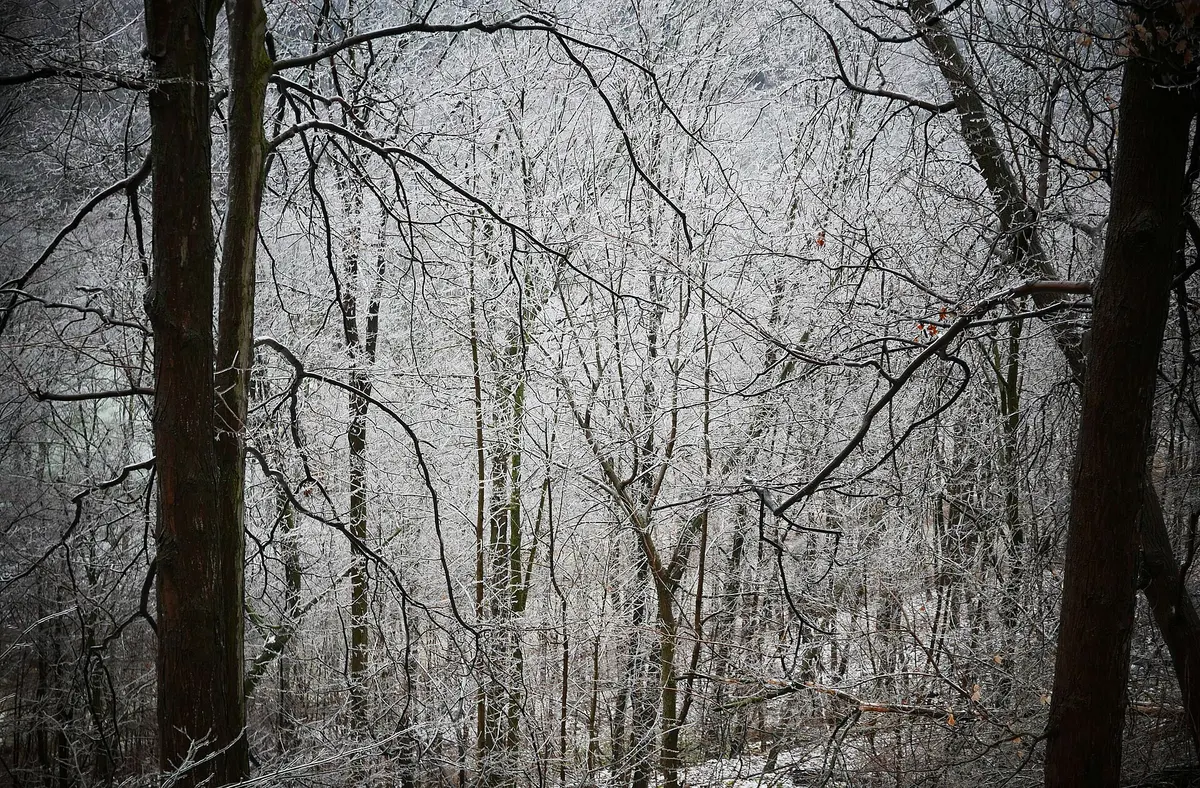
A powerful winter storm system has brought hazardous conditions to eastern Canada, forcing widespread school closures and disrupting transportation networks. Environment Canada issued severe weather warnings as freezing rain and ice accumulation affected multiple regions.
Provincial authorities and municipal services mobilized equipment and issued urgent warnings as the icy precipitation created dangerous travel conditions for motorists and pedestrians alike. While the primary impacts were centered on school districts and highways, the storm also threatened infrastructure with potential power disruptions and falling tree branches.
What happened
Dangerous winter weather forced the suspension of classes across multiple school districts in New Brunswick. Authorities closed all schools in the Anglophone West and Francophone Northwest districts, alongside targeted closures in the Anglophone North, Francophone Northeast, and Francophone South districts. Communities affected by these closures include Bathurst, Campbellton, Dalhousie, Fredericton, and Oromocto.
Environment Canada maintained freezing rain warnings for central, western, and northwestern New Brunswick, forecasting four to six hours of freezing precipitation with total accumulations potentially reaching 15 millimeters. Provincial highway information services reported that major routes, including Highway 2 between Grand Falls and Longs Creek and Highway 95 between the United States border and Woodstock, became heavily ice-covered and prompted official travel advisories.
Simultaneously, a separate storm system targeted southern Ontario, placing Ottawa and surrounding communities under a yellow warning for nine hours of freezing rain. Meteorologists anticipated up to 35 millimeters of rain in Ottawa, with significant icing risks as temperatures hovered near freezing. The conditions prompted Ottawa International Airport to advise passengers to check flight statuses, while municipal road services prepared their first winter maintenance deployment of the season by staging hundreds of pieces of equipment.
Why it matters
The severe weather directly impacts daily routines, education, and public safety across affected provinces. School closures disrupt families and student learning schedules, while glazed highways create severe hazards for drivers and commercial freight carriers. In urban areas like Ottawa, icy walkways increase the risk of pedestrian injuries, and heavy ice accumulation threatens trees and local power grids. Transportation hubs face scheduling delays, forcing travelers to allow extra time for their journeys.
The background
Freezing rain is a notoriously treacherous winter phenomenon caused by a specific atmospheric temperature profile. Warm air aloft melts falling snow into rain, but a shallow layer of sub-freezing air near the ground supercools the droplets, causing them to freeze instantly upon contact with any surface that is at or below freezing temperatures. Environment Canada uses weather warnings and special statements to alert the public to these high-risk events, while provincial and municipal agencies maintain specialized winter fleets to apply salt and abrasives to roads and sidewalks.
What happens next
Forecasters predicted that the hazardous freezing precipitation would persist through Friday afternoon in parts of New Brunswick. Municipal crews in Ontario remained on standby to treat roads, sidewalks, and cycling routes as the storm evolved overnight. Authorities advised residents and travelers to monitor ongoing weather alerts, check provincial highway conditions before departing, and verify local school updates for any further schedule changes.
Key takeaways
- Hazardous winter weather forced widespread school closures across multiple districts in New Brunswick.
- Environment Canada issued freezing rain warnings forecasting up to 15 millimeters of ice accumulation in parts of New Brunswick.
- Provincial authorities strongly advised against travel on designated icy sections of Highway 2 and Highway 95.
- Ottawa prepared for its first winter maintenance deployment of the season as a separate freezing rain warning took effect.