
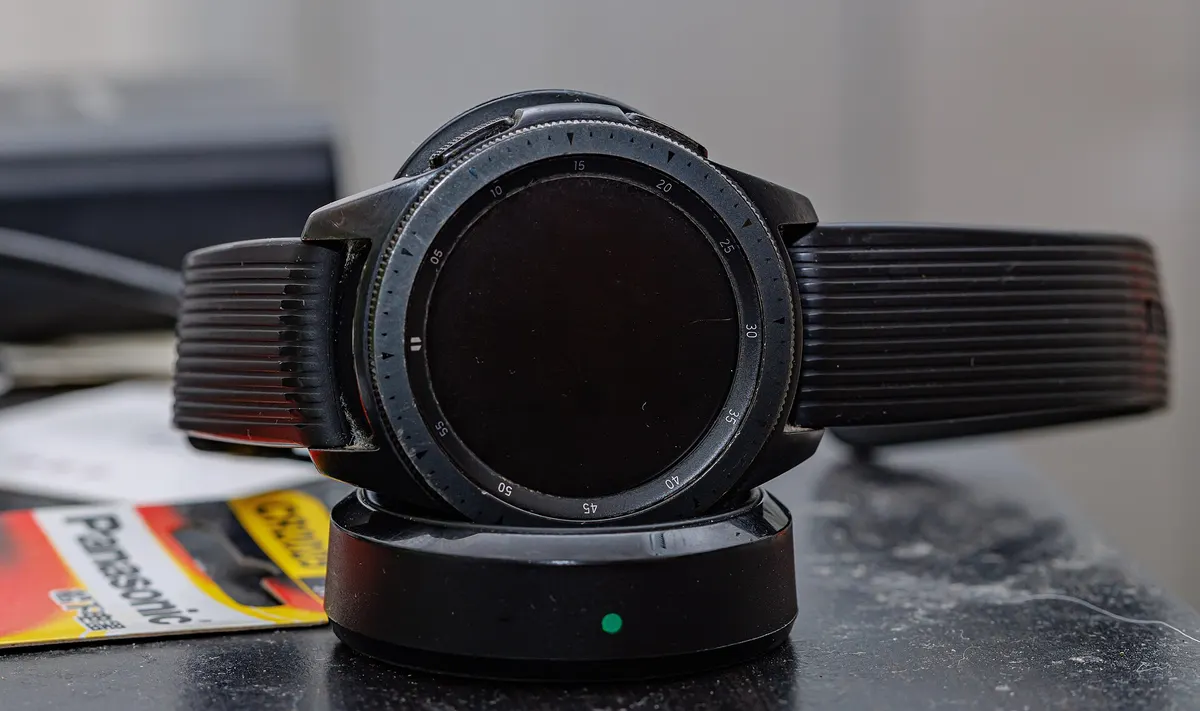
Samsung is shifting its smartwatch lineup to a two-year release cycle, delaying the expected launch of the Galaxy Watch 10 from 2027 to 2028. The strategy marks a major change for the company, which has released a new smartwatch model every year since 2018.
The decision stems from profitability challenges within Samsung's mobile business. After reporting two consecutive quarters of financial losses in its mobile division, the company is undertaking a structural overhaul to lower costs and strengthen profits.
What happened
Samsung has maintained a steady annual cadence for its smartwatch lineup for years, including its transition to Google's Wear OS starting with the Galaxy Watch 4 in 2021. However, recent commercial results led to a strategy shift. Sales for the Galaxy Watch 9 fell short of company expectations, partly blamed on its higher retail price point.
In response, Samsung is switching to a bi-yearly release schedule for its smartwatch series. Under this new timeline, no new Galaxy Watch flagship hardware will arrive in 2027, pushing the next major release to 2028. The shift reflects a wider slowdown as the broader smartwatch market enters a mature phase.
While hardware updates will slow down, Samsung is not stepping away from wearables entirely. The company plans to release Galaxy Watch software updates next year, focusing on healthcare feature enhancements. Additionally, a new fitness tracker, the Galaxy Fit 4, is expected in 2027 with a slight price increase to €79.90 in Europe.
Why it matters
For consumers, the change means current smartwatch hardware will stay relevant longer without being superseded annually, though software updates will continue to arrive. It signals that smartwatch features have matured to a point where annual hardware redesigns are no longer necessary or financially viable for manufacturers.
For Samsung, slowing the release cycle offers immediate financial relief. Two straight quarters of mobile division losses forced executives to rethink aggressive hardware cycles. Transitioning smartwatches to a two-year timeline helps reduce annual development expenses and protect margins.
What happens next
Samsung will focus on software and digital health tools in the coming year rather than launching new watch hardware. Users of existing Galaxy Watch models can expect ongoing system upgrades aimed at improving health tracking.
Hardware releases will resume with the Galaxy Fit 4 fitness tracker expected in 2027, followed by the next flagship smartwatch lineup, likely named the Galaxy Watch 10, in 2028.
Key takeaways
- Samsung is moving its Galaxy Watch releases to a bi-yearly schedule, pushing the Galaxy Watch 10 to 2028.
- The decision follows two consecutive quarters of financial losses in Samsung's mobile division.
- Galaxy Watch 9 sales fell short of expectations, impacted by higher pricing.
- Software upgrades and health features will continue next year, with a Galaxy Fit 4 tracker arriving in 2027.